
AGRI-PV and integration of HDP Farming in Apples
Hello, Cheshta Rawat here, a South-North Program volunteer from Ecoselva in the year 2025-26. In May 2026, I did my 2-week internship at an organic apple farm, Bio-Obsthof Nachtwey, situated in Gelsdorf, a small village near the city of Bonn. Here’s the journal of my experience in the farm 🙂
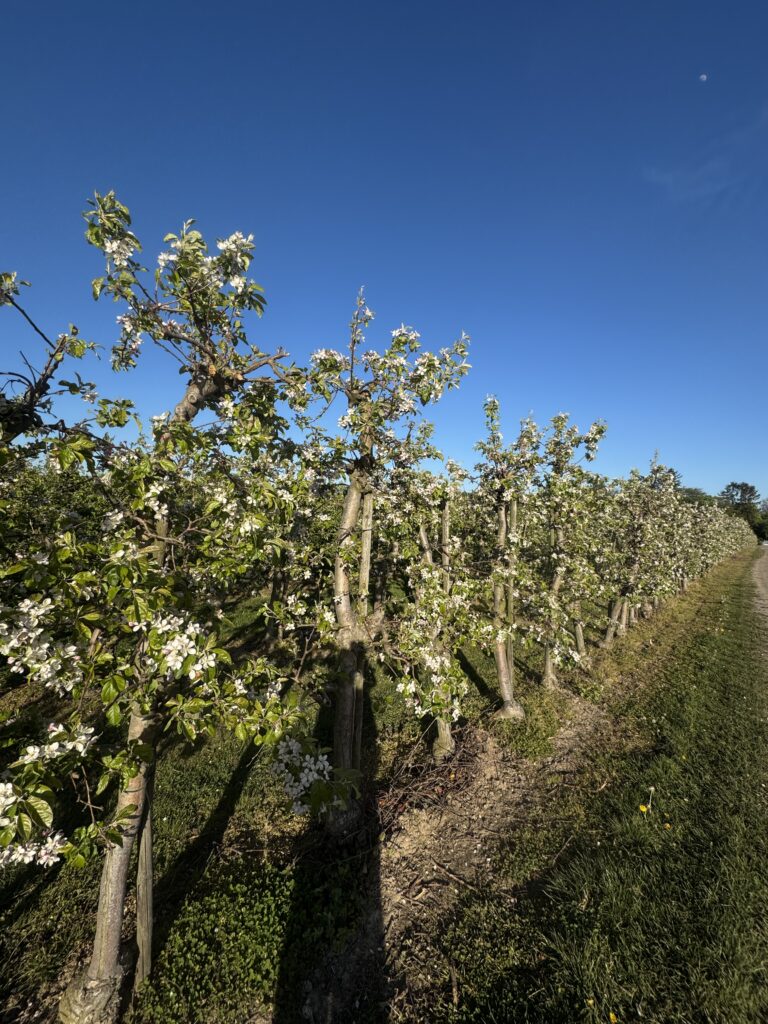
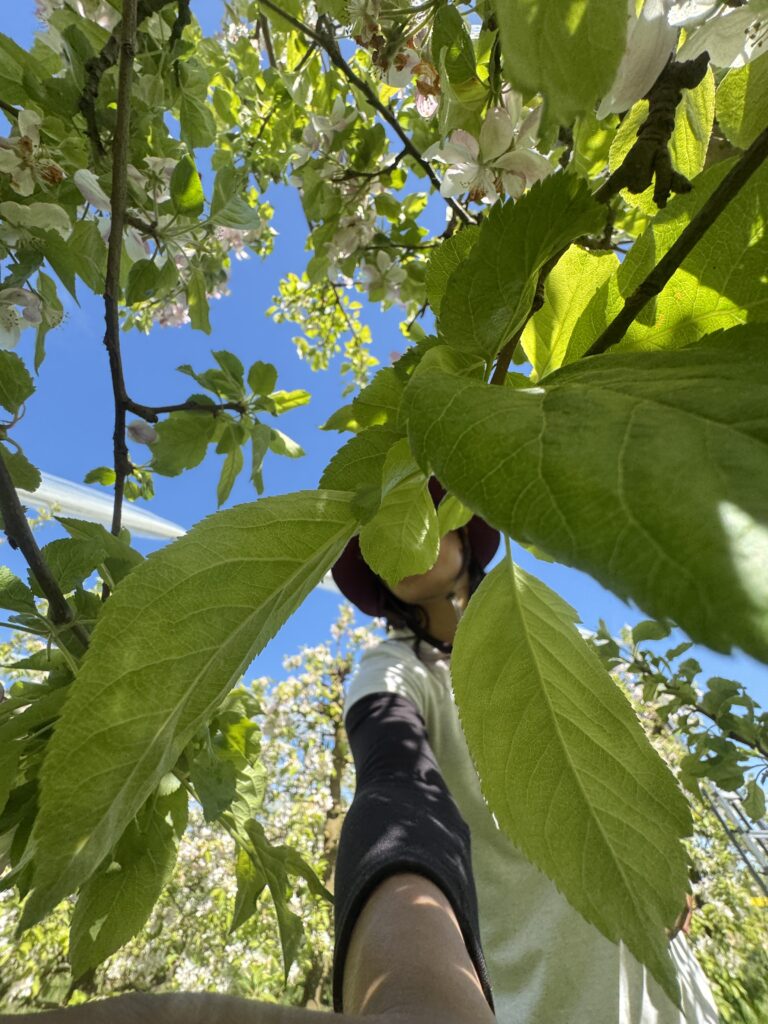
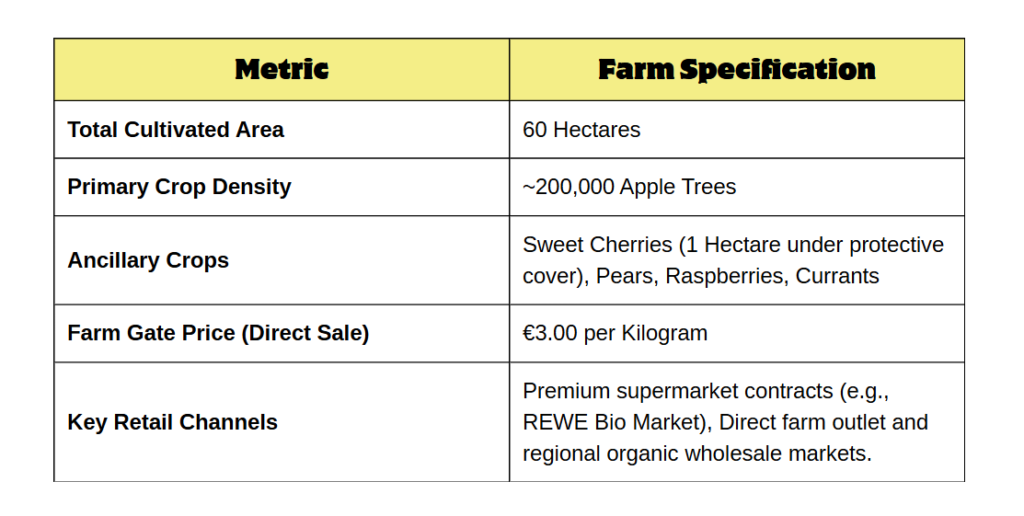
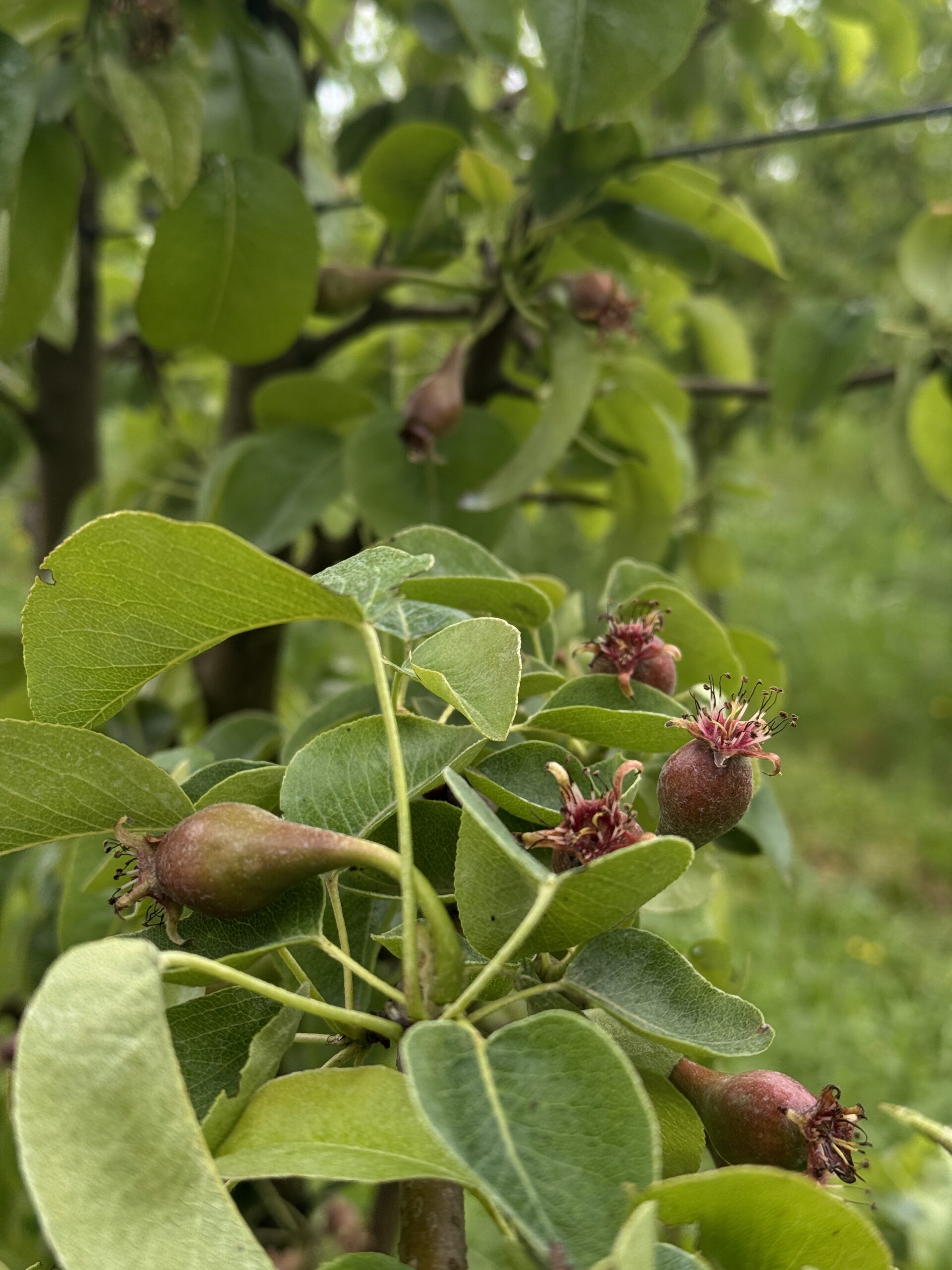
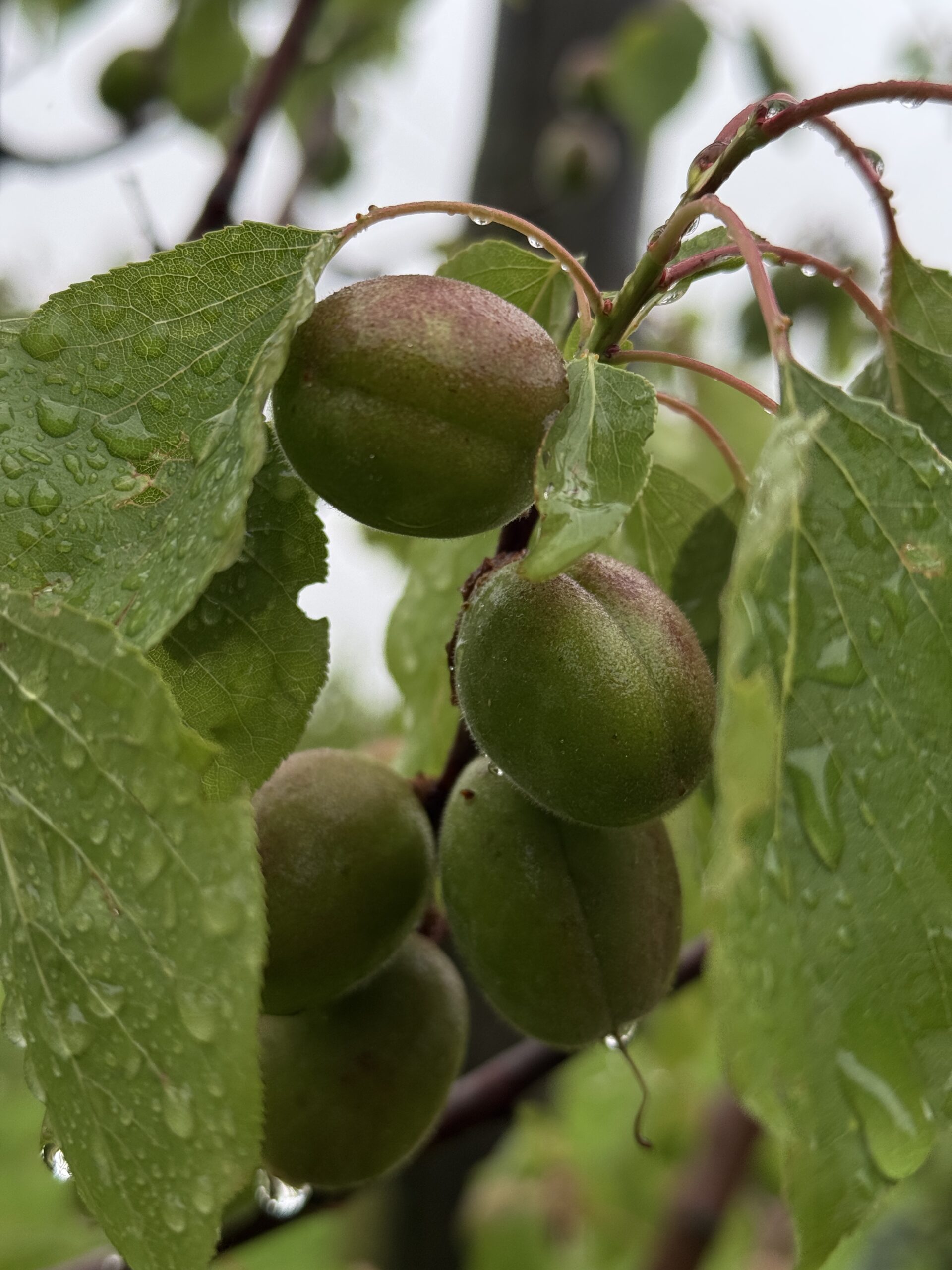
Bio-Obsthof Nachtwey is an established organic fruit estate operating under strict organic standards (certified by the Naturland association since 2006). Spanning 60 hectares of cultivated land, the farm specialises in high-density pomology (pome fruit cultivation), hosting approximately 200,000 apple trees. The farm also diversifies its production with localised plots of sweet cherries, pears, raspberries, and Johannisbeeren (red/black currants).
Chronological Log of Operational Activities
Week 1: Farm Integration, Canopy Management, and Pest Control
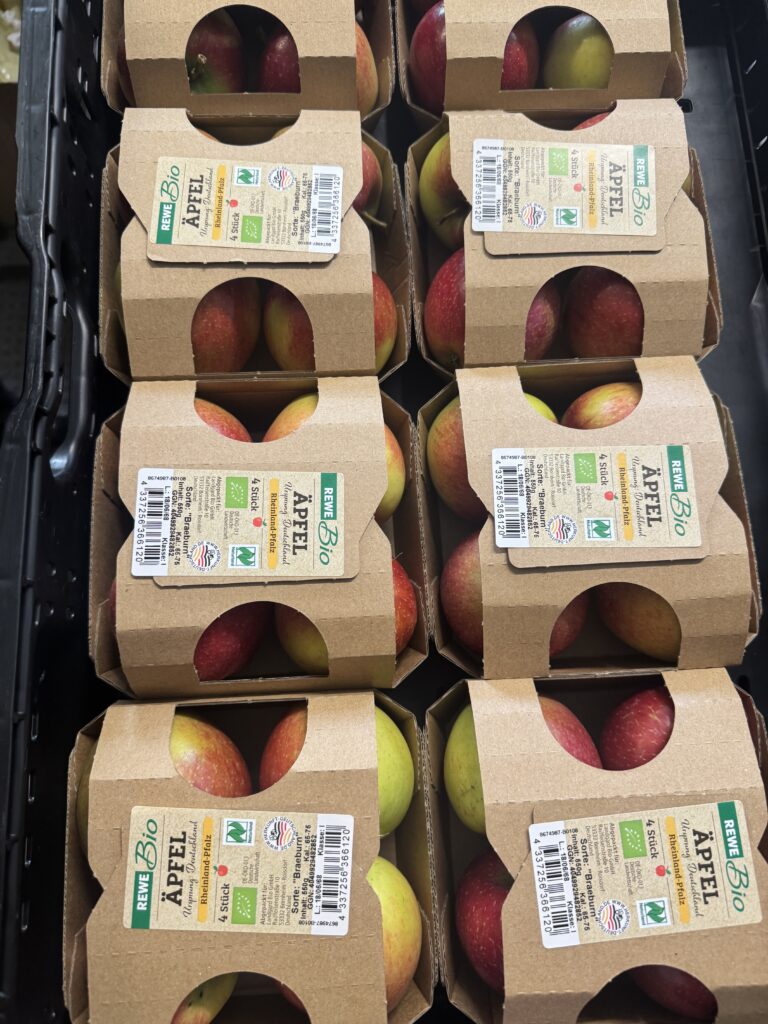
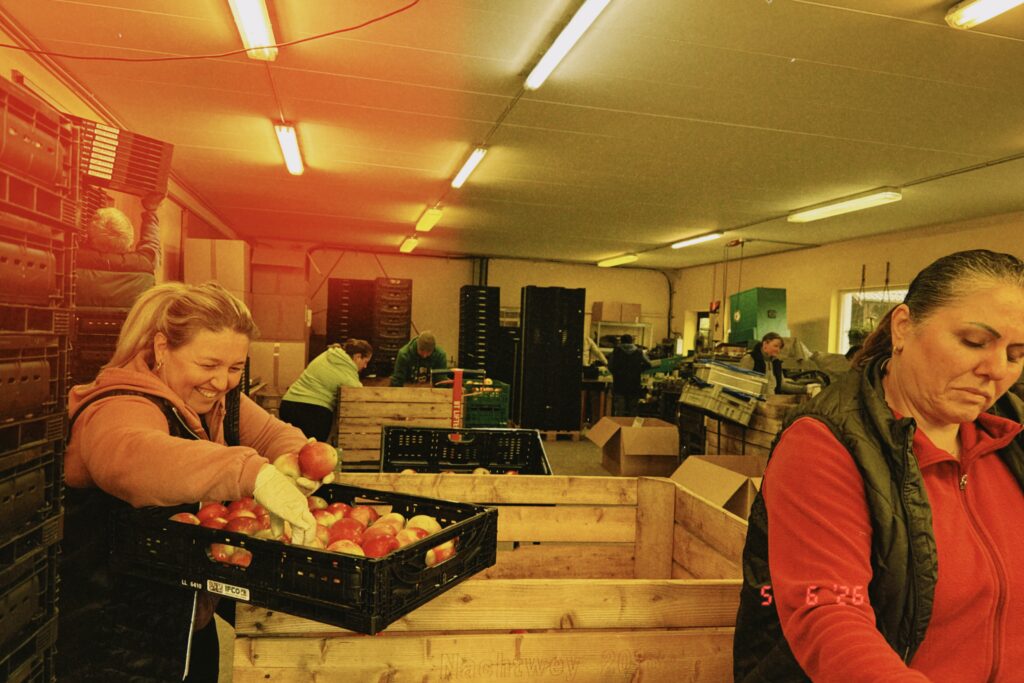
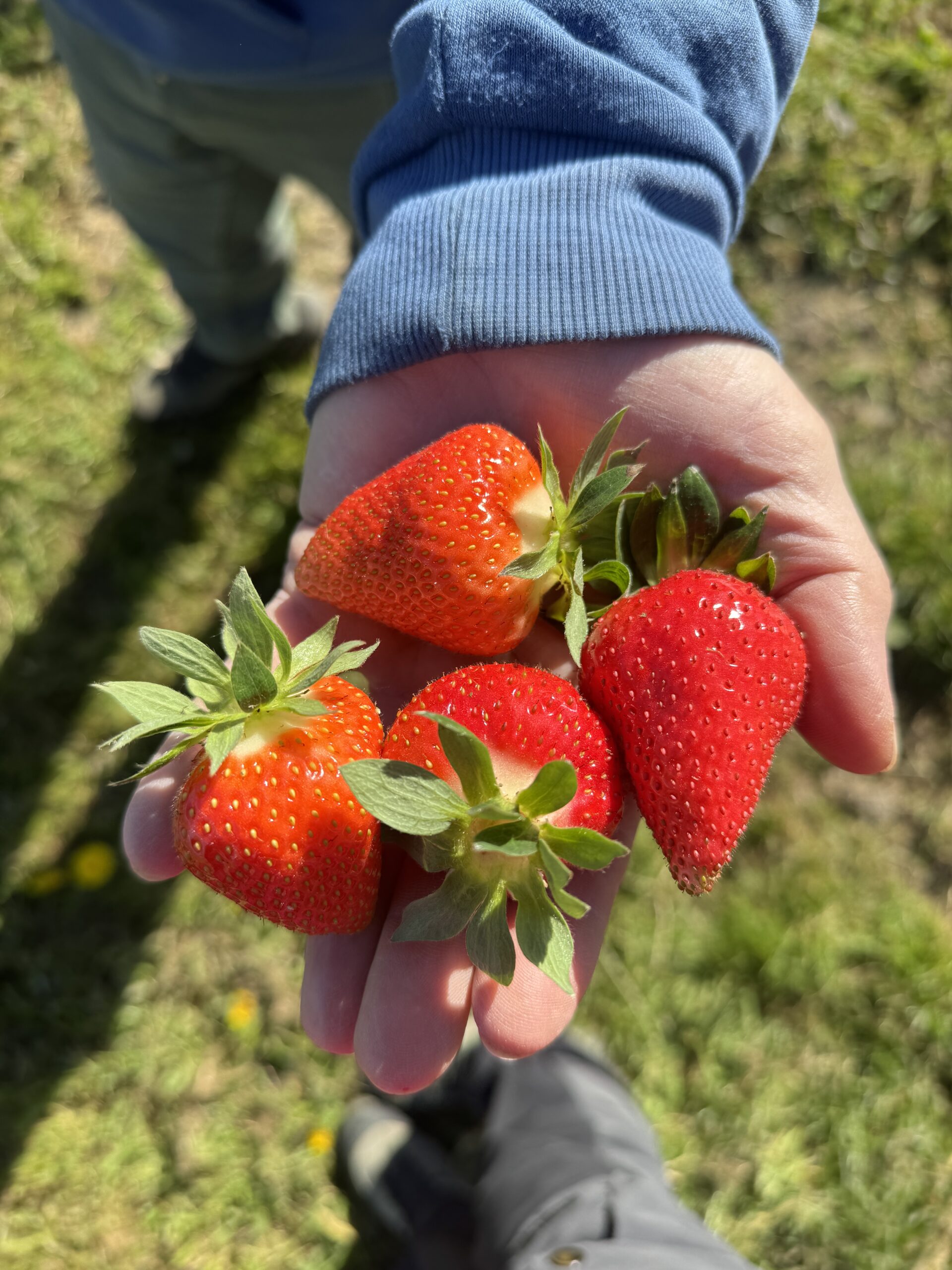
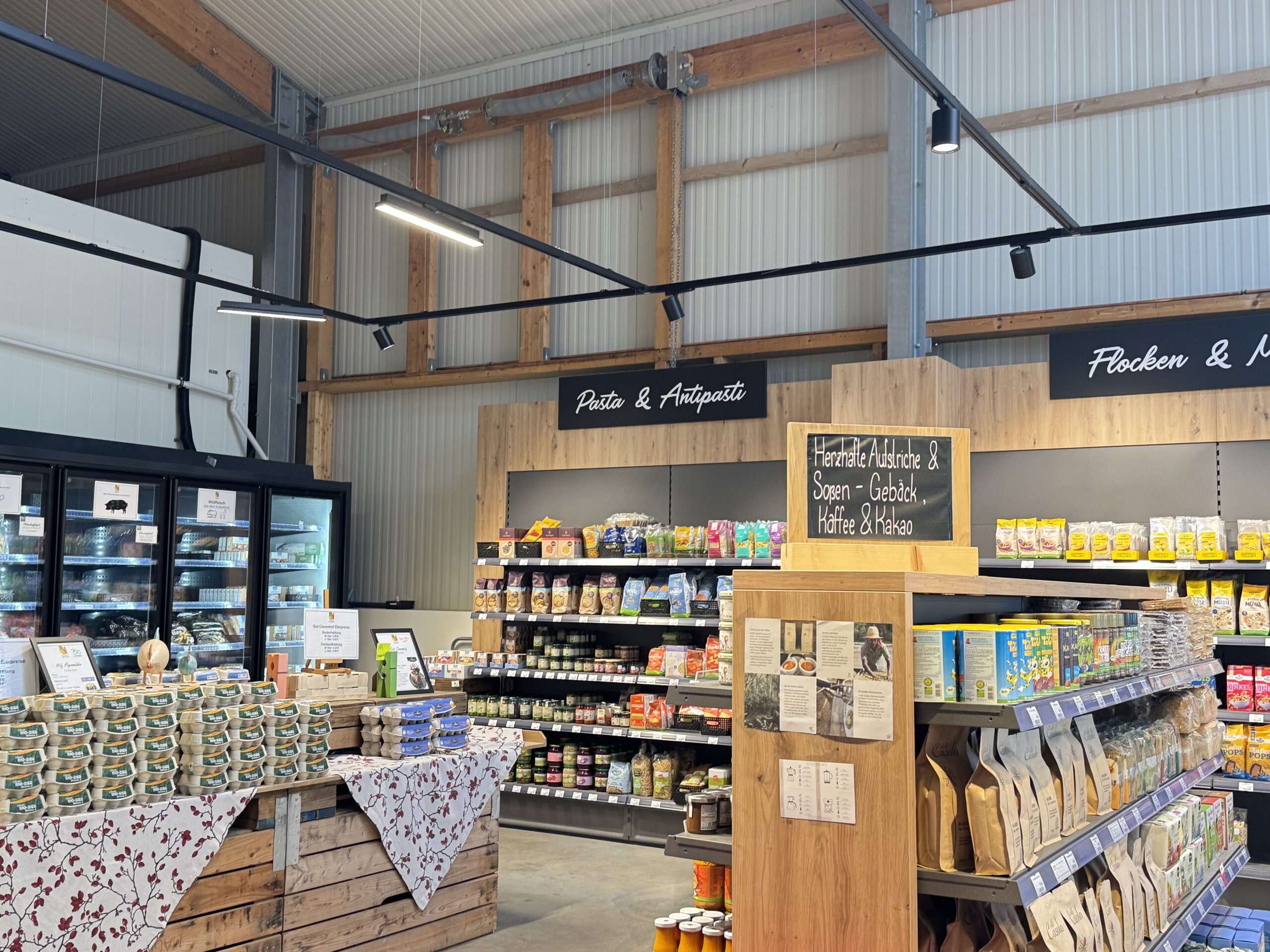
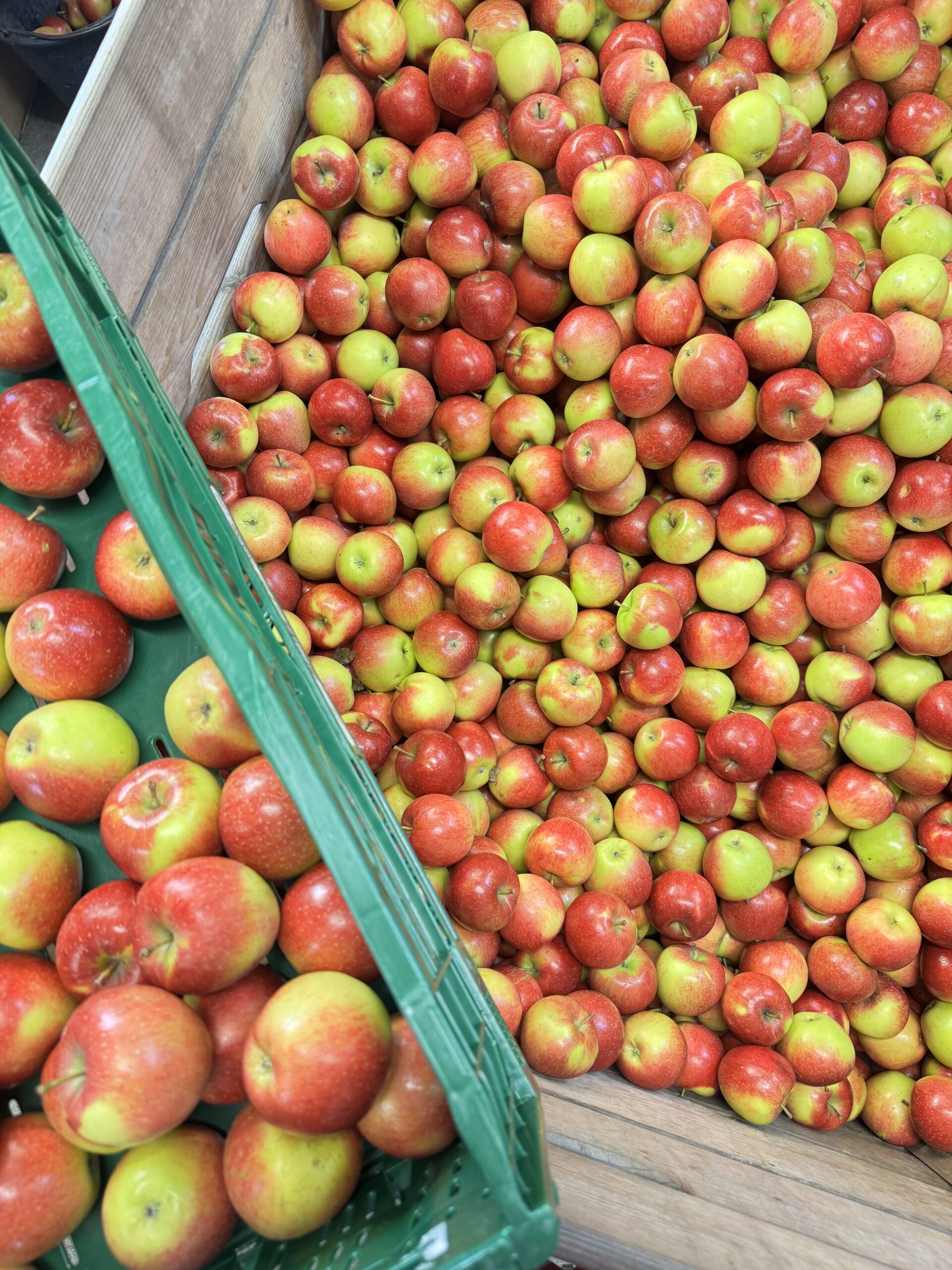
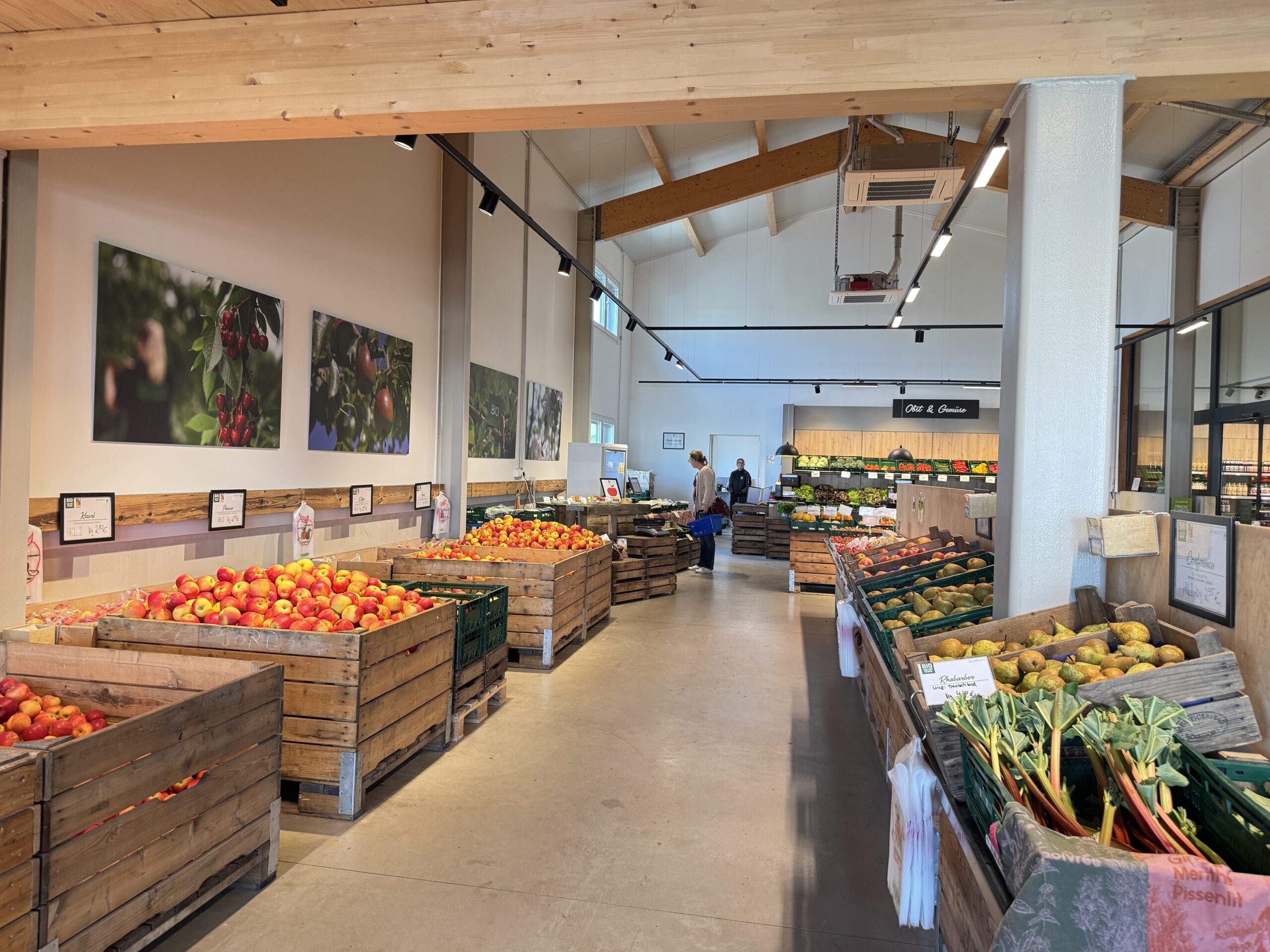
Day 1: Had a farm site tour with the owner, Christian Nachtwey, mapping out distinct plantation blocks. Helped in wholesale supply logistics by delivering fresh organic apples to local retail hubs with them. Analysed supply chain price variance: direct farm sales capture maximum premium pricing (€3/kg), whereas large-scale cold-storage volume keeps automated sorting pipelines active for commercial grocery supply chains.
2. Vigour Optimisation (Flower Defoliation):
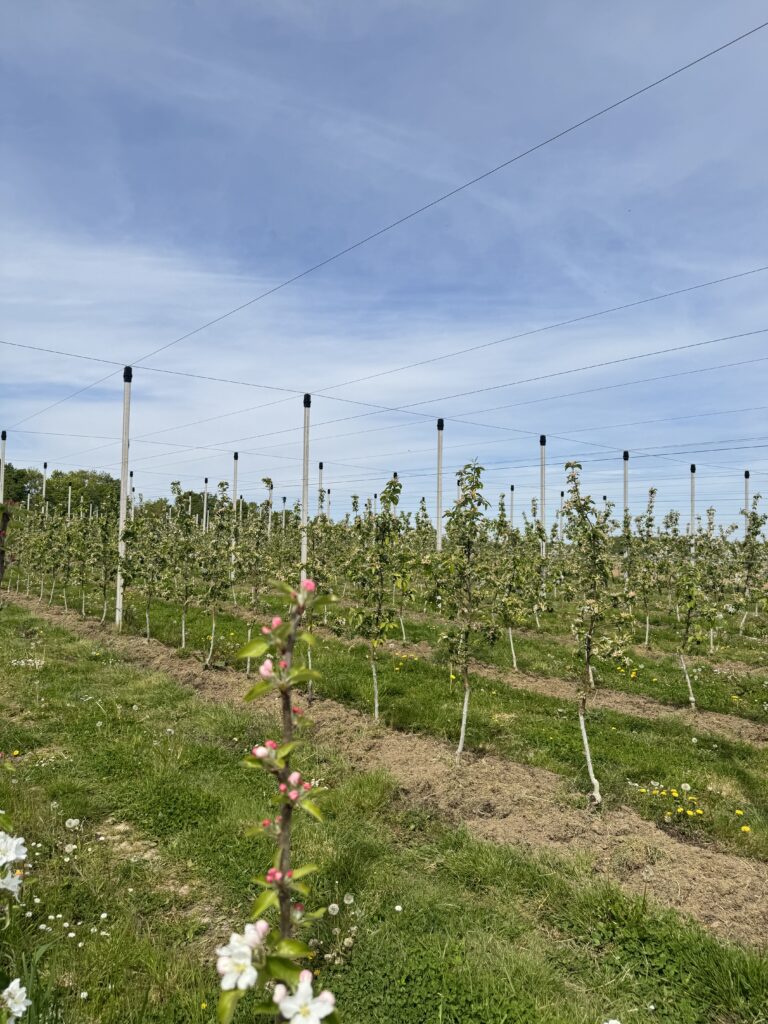
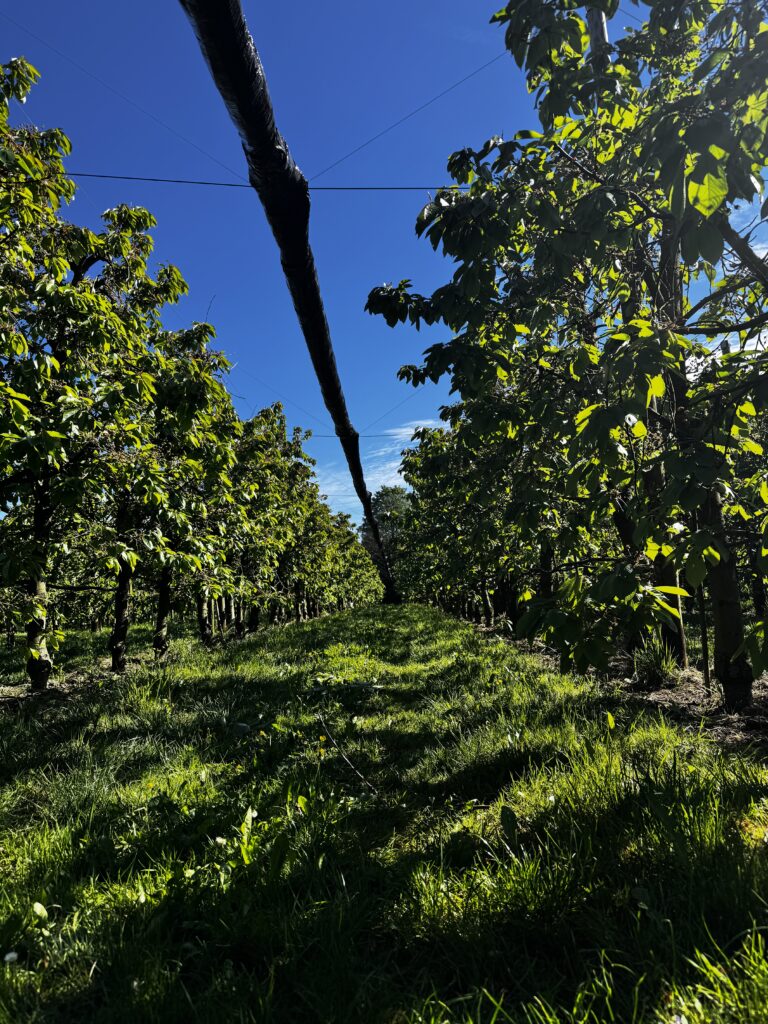
Manually stripped flower buds from newly established 1-to-2-year-old young apple plantations. Removing flowers prevents early fruit set, forcing the tree to channel its energetic resources entirely into vegetative structural development, root expansion, and framework building rather than premature fruit production. Tie young trunks securely to the trellis system support wires.
Friday – Saturday.
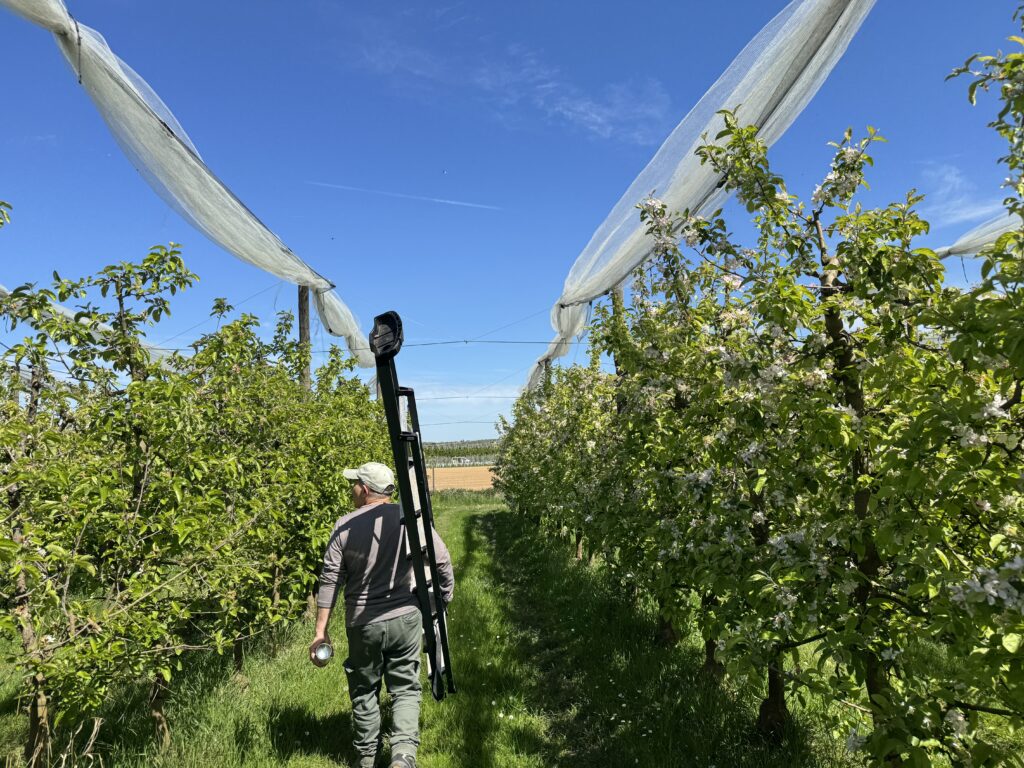
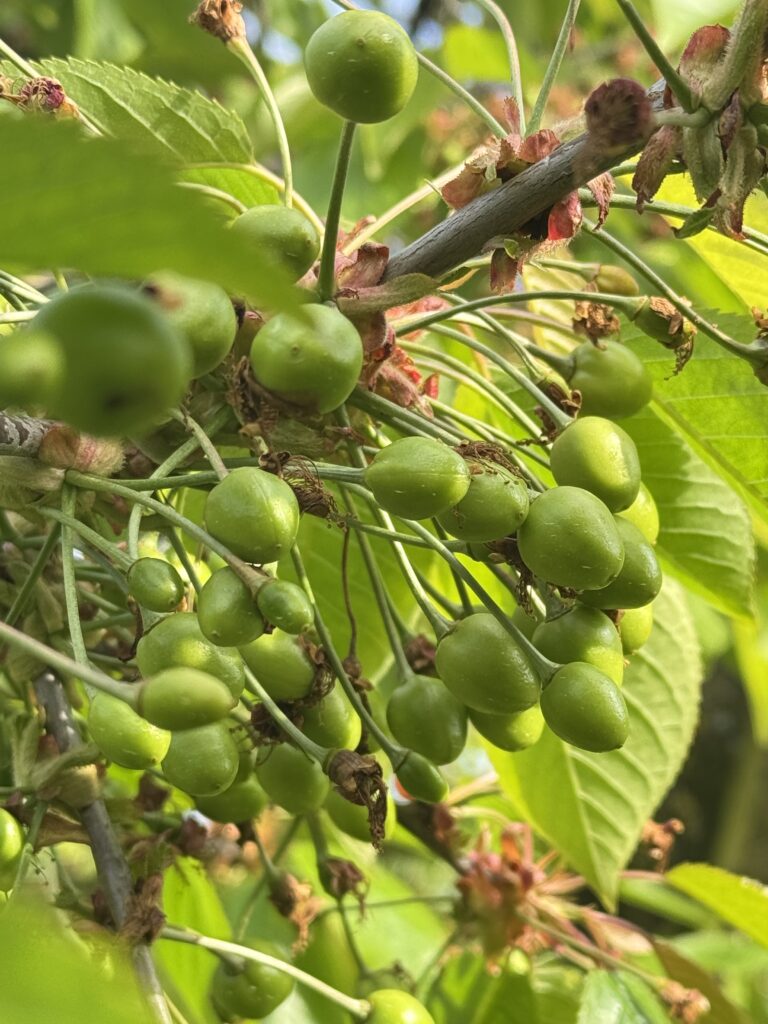
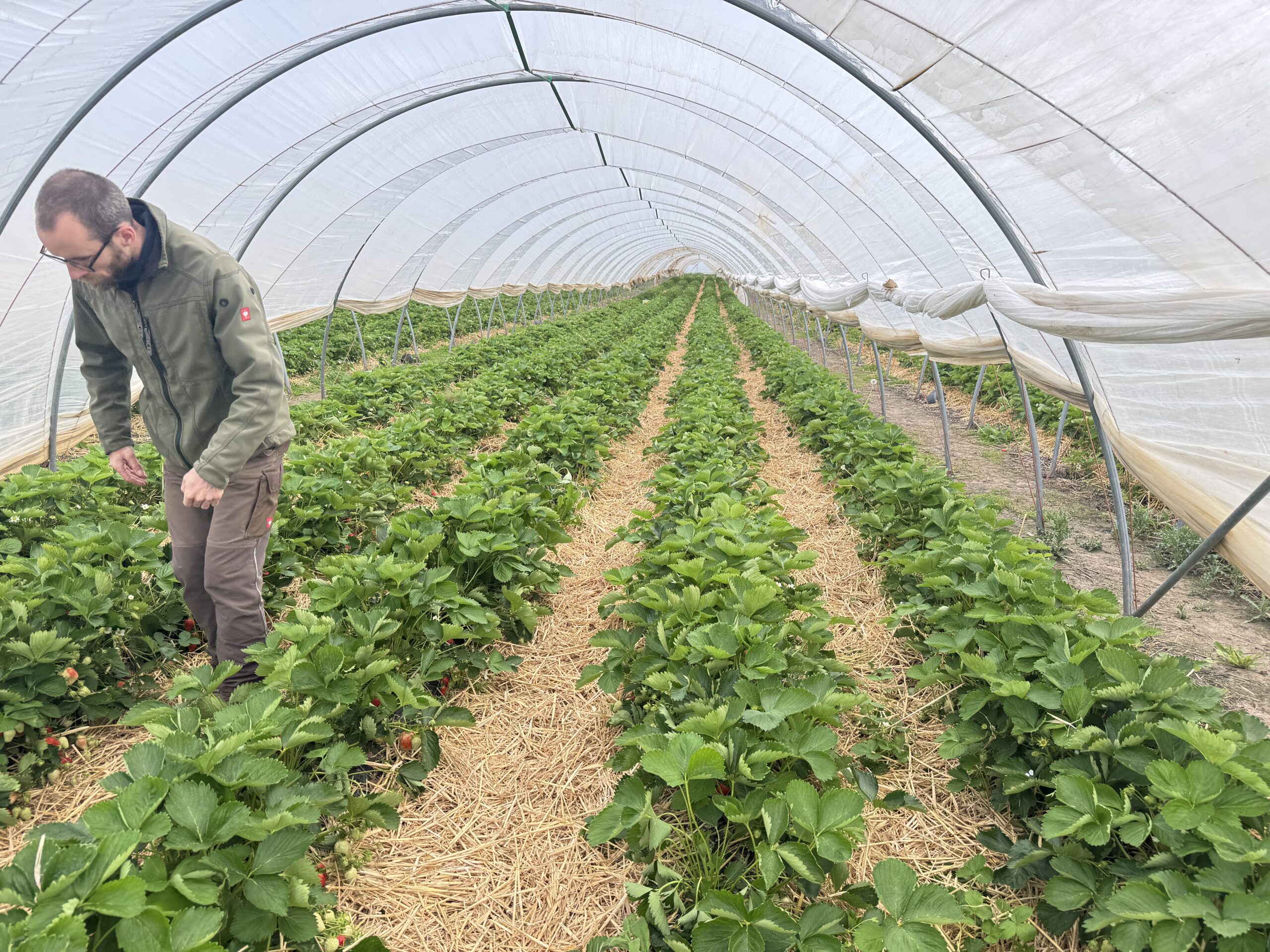
Did summer pruning on sweet cherry blocks using hand shears. Removed low-hanging branches and shaded old wood to improve light penetration into the inner canopy, optimising fruit sizing and sugar synthesis. Conducted an educational field visit to a local tabletop strawberry facility. The crop utilises a closed-loop substrate tunnel system where excess fertigation water is recycled, significantly reducing runoff and eliminating lower back strain for harvest labour.
Week 2: Pruning, Canopy Hygiene & Plant Pathology:
Specialised Soft Fruit and Crop Diversification Systems
Guided by Christian Nachtwey, we visited neighbouring specialised production models to see the propagation methods and irrigation setups:
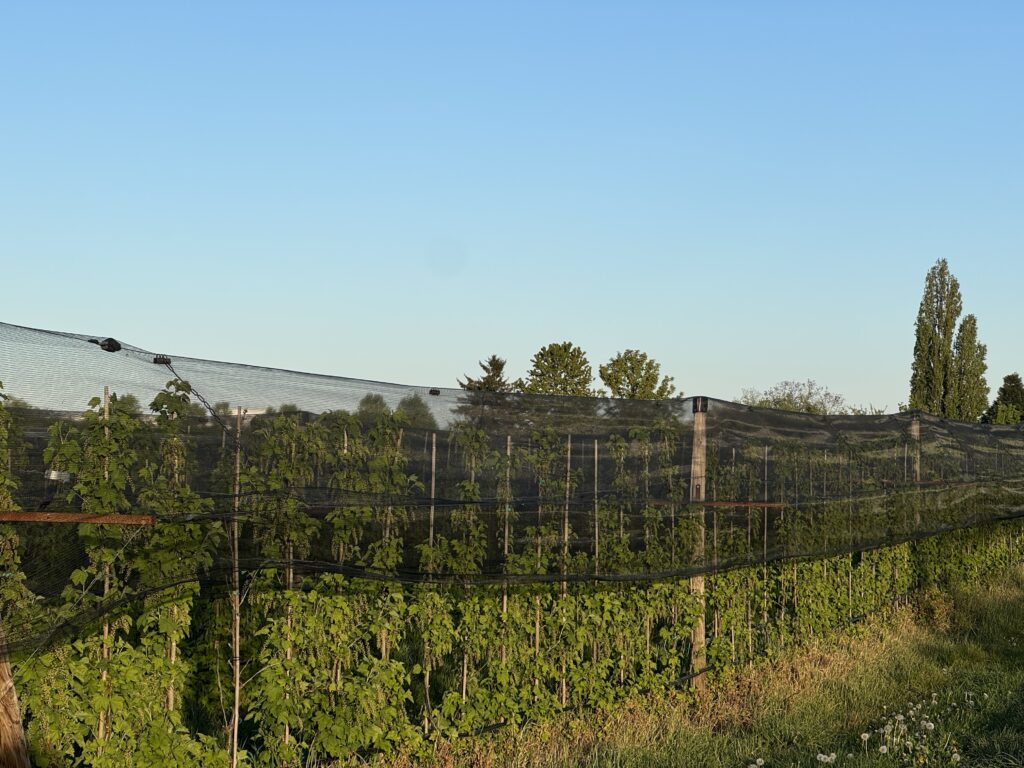
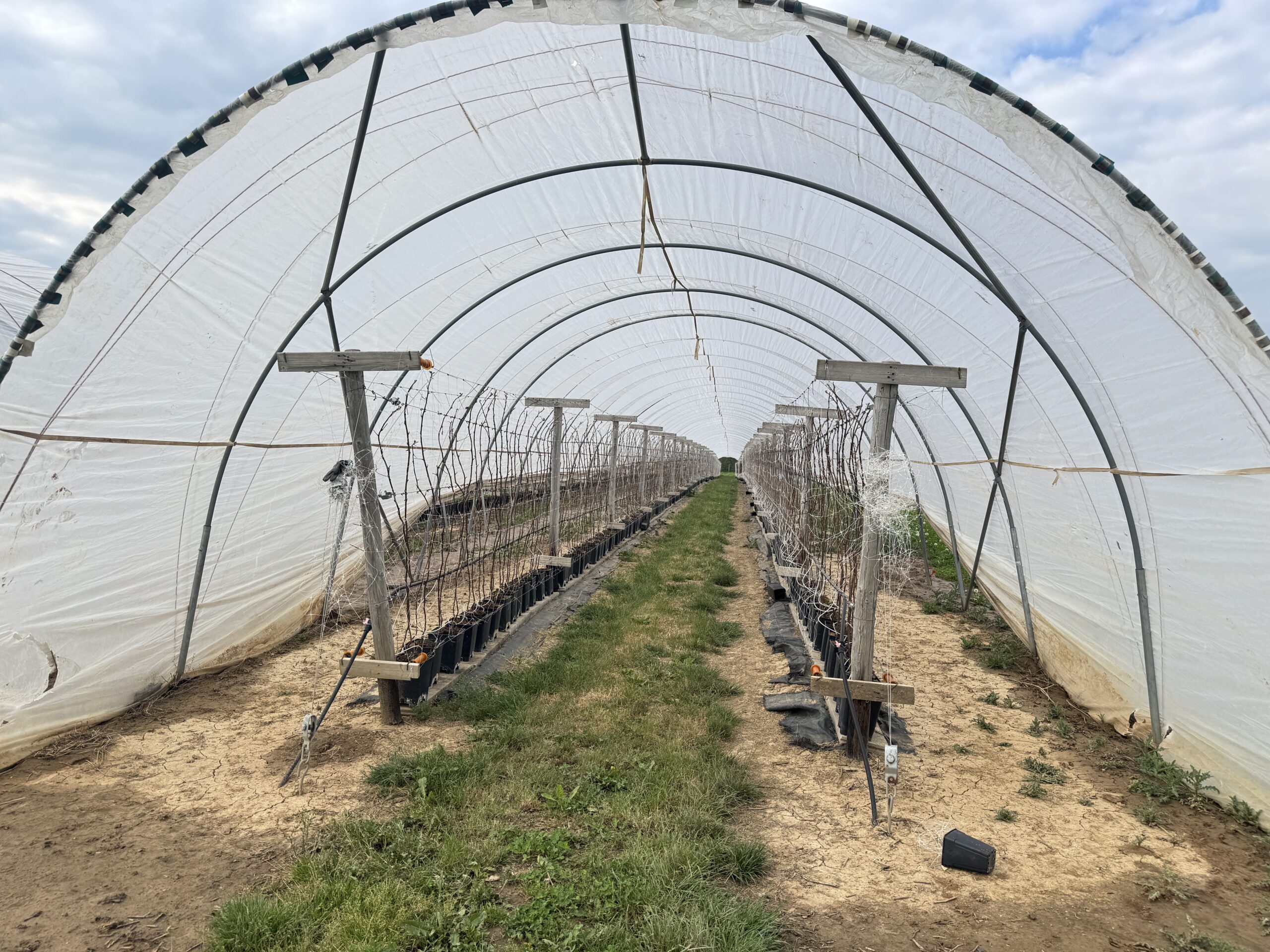
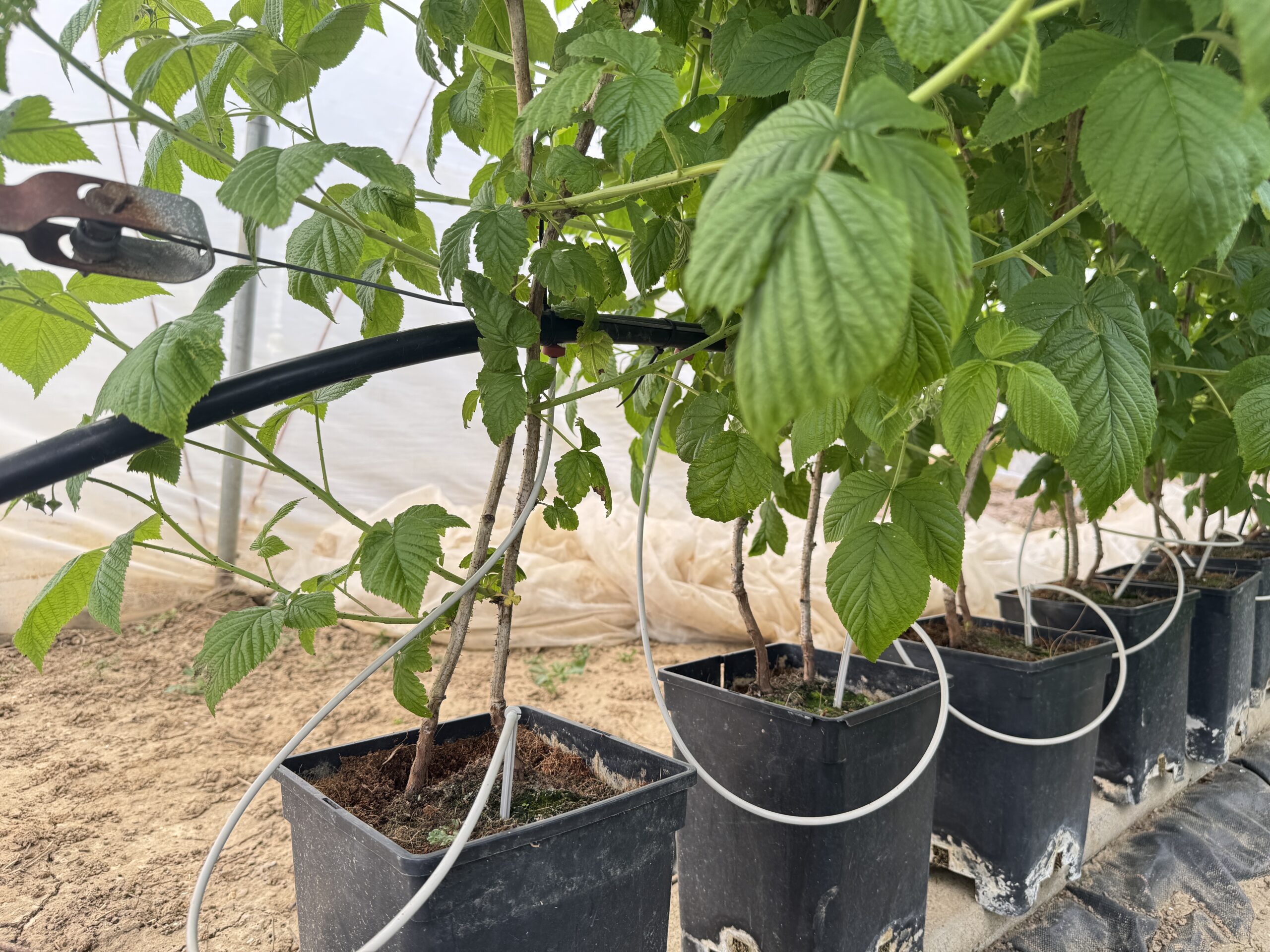
Raspberry Containerised Cultivation: Young raspberry crops planted in early May demonstrated rapid leaf development. These are grown in artificial substrate pots linked to an automated drip irrigation loop controlled by Venturi injector systems. Timed micro-dosing ensures strict EC (electrical conductivity) and pH management, preventing root rot while maximising nutrient efficiency.
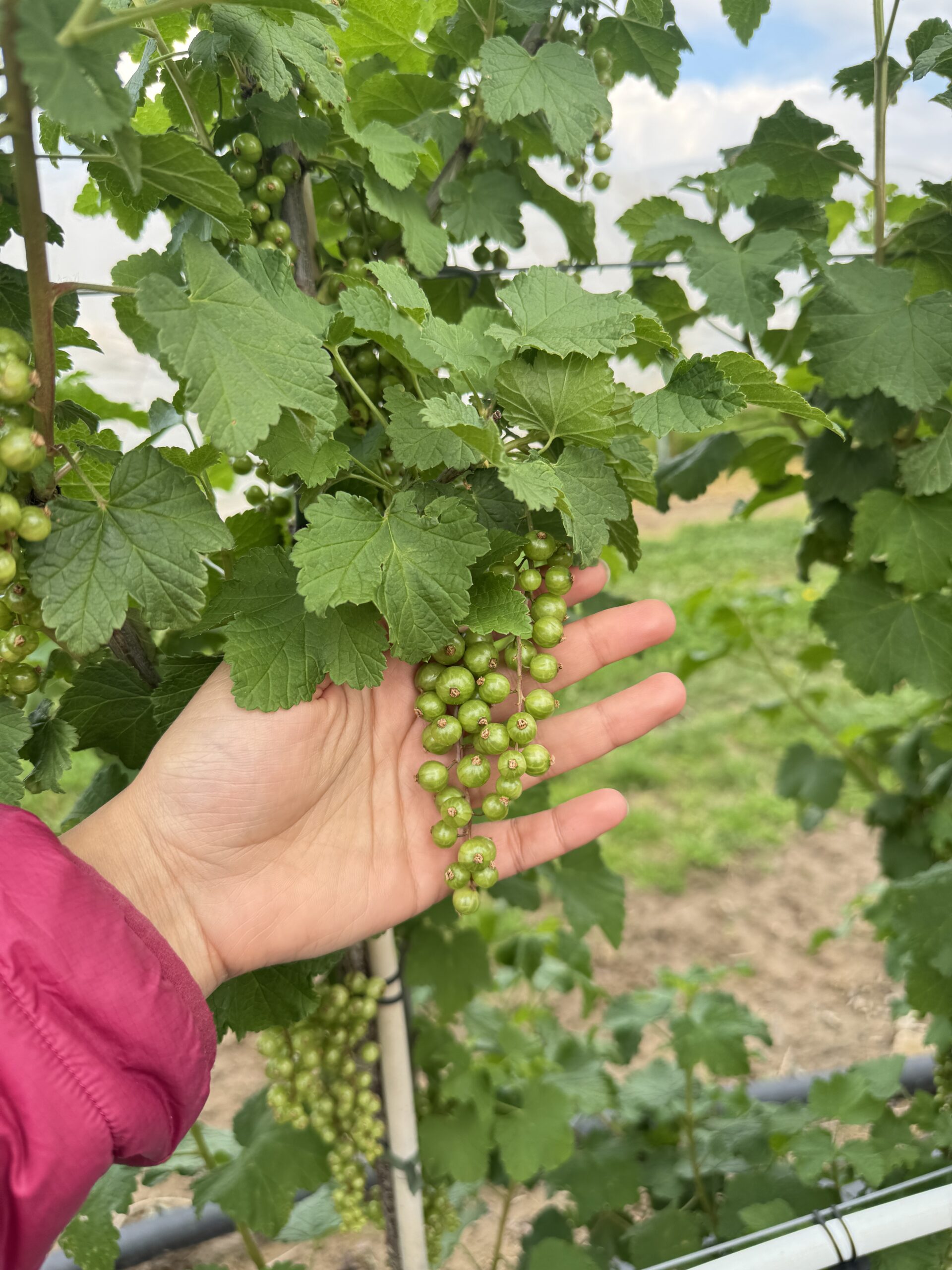
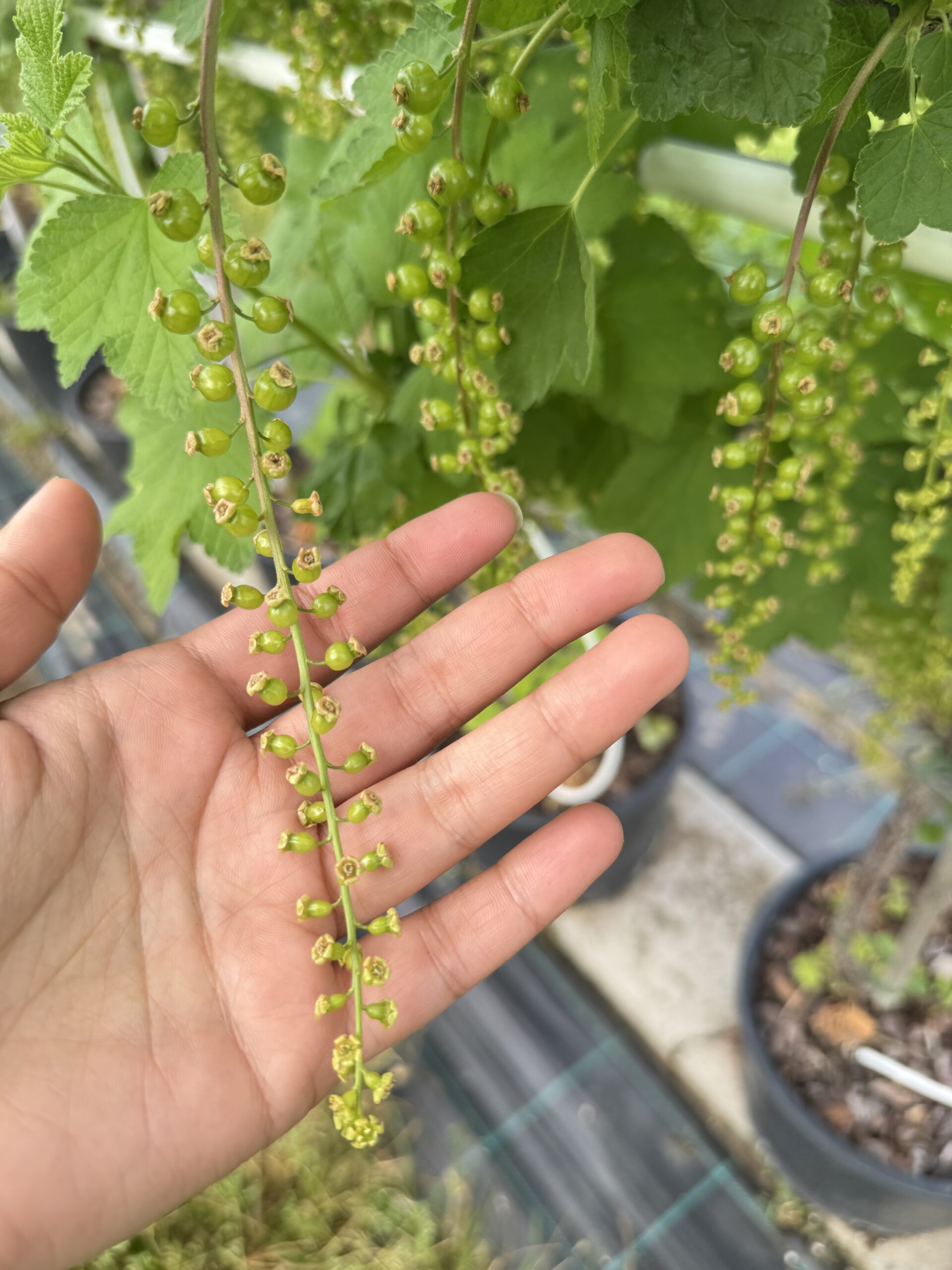
Johannisbeeren (Currant) Layout: Currant rows exhibited high structural resilience and heavy fruit sets. Culturally, they represent a low-maintenance, high-yield opportunity. However, commercial adoption requires pre-existing processing supply chains or juice market demand if adapted to alternative agricultural ecosystems like India.
Technical Case Study:
Agri-Photovoltaics (Agri-PV)
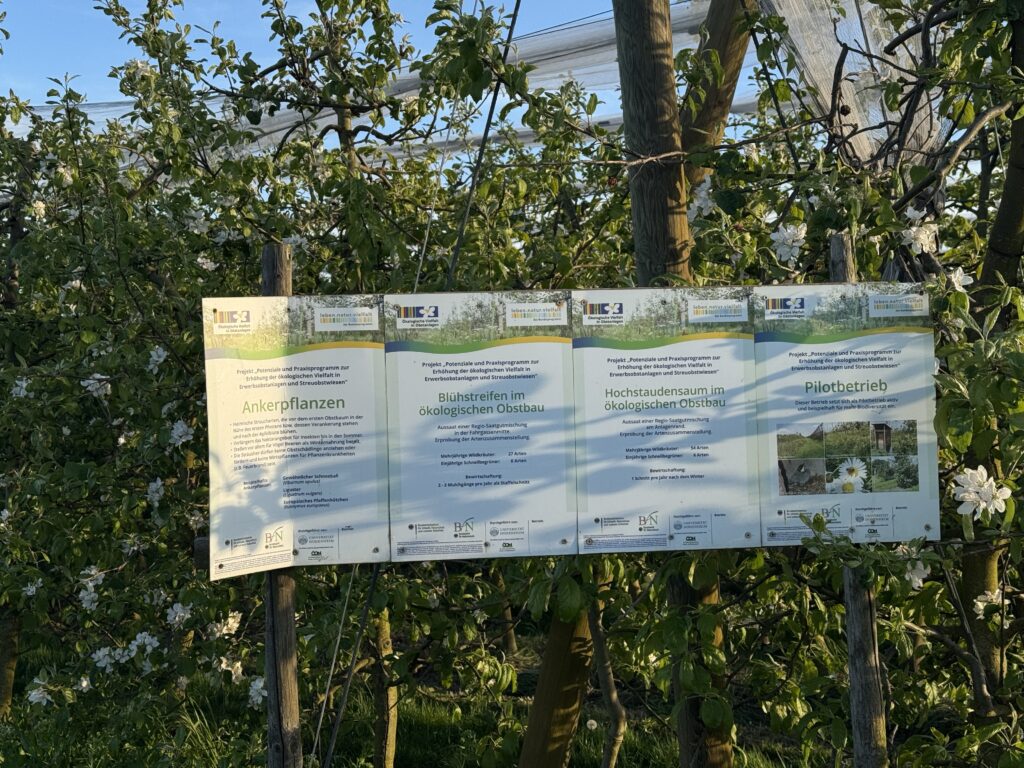
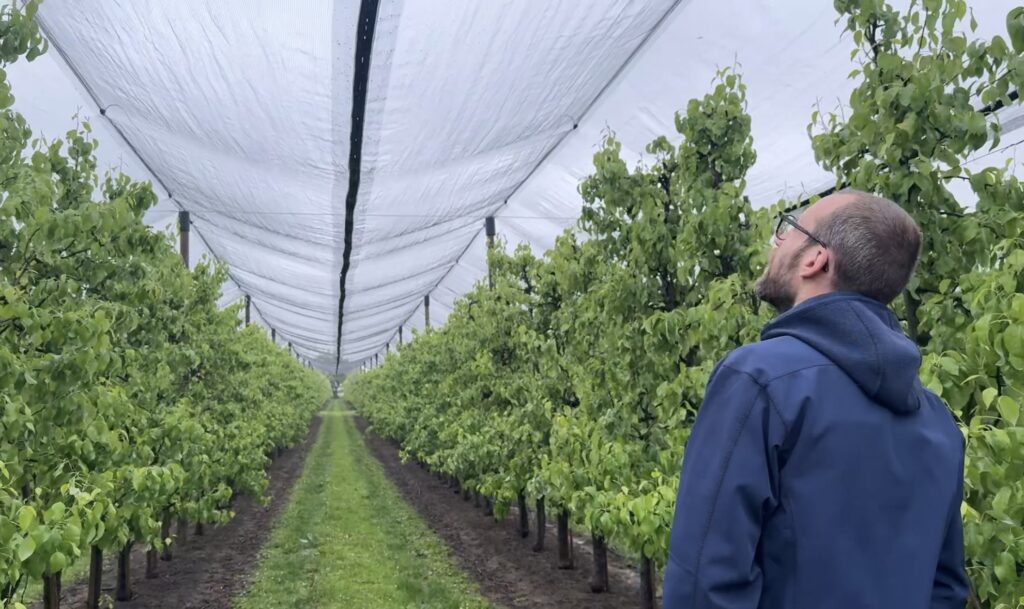
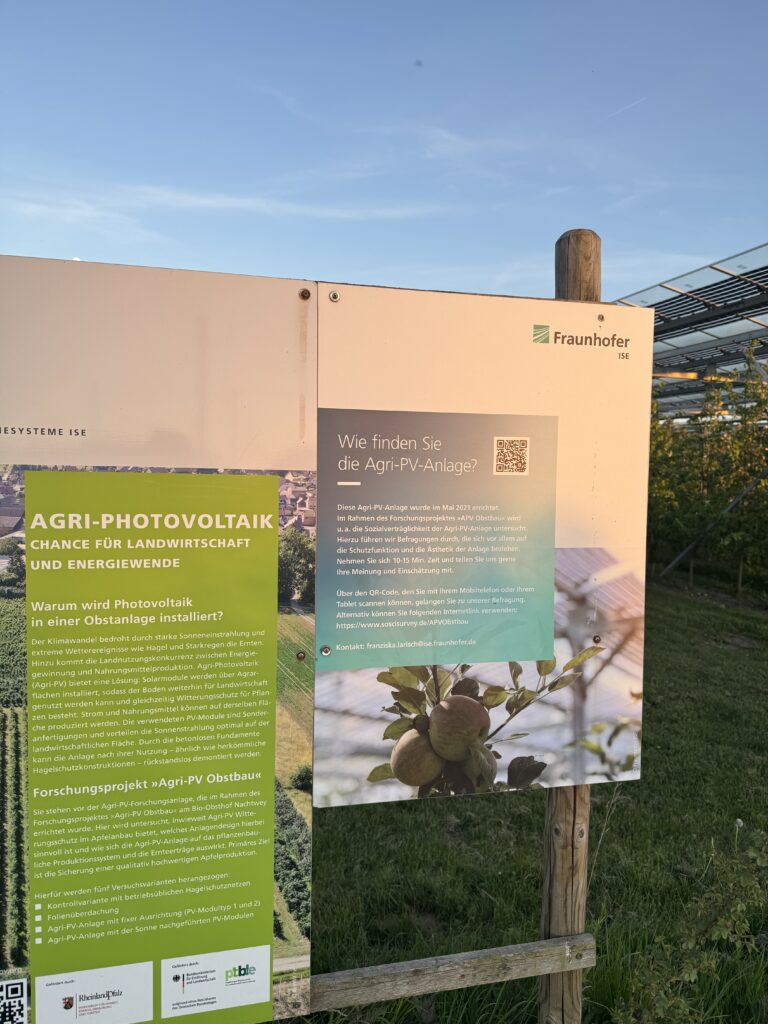
The defining innovation at Bio-Obsthof Nachtwey is its Agri-PV Research Facility, an experimental dual-use platform constructed in 2021 in partnership with the Fraunhofer Institute for Solar Energy Systems (ISE) and BayWa r. e.
Strategic Feasibility Framework for India
(Grounded in data from Mahto et al., published in MDPI Land, 2021, on Climate-Smart Agriculture in the Indian Agri-Sector)
Strengths
Dual Land-Use Efficiency: Maximises the Land Equivalent Ratio (LER), addressing severe land-use competition in highly populated rural regions.
Microclimatic Water Conservation: Overhead shading cuts soil and crop evapotranspiration, protecting critical water tables in drought-prone areas.
Socio-Economic Stabilisation: Provides a continuous secondary income stream from electricity generation, cushioning smallholder farmers against market crop crashes or sudden seasonal crop failures.
Rural Electrification & Powering Storage: According to data from Mahto et al., bringing access to grid-equivalent electricity causes a 9% increase in rural household incomes. Co-locating systems can generate up to 16,000 GWh globally if applied systematically, enough to power 15 million households (MDPI Land, 2021).
Technical & Environmental Specifications
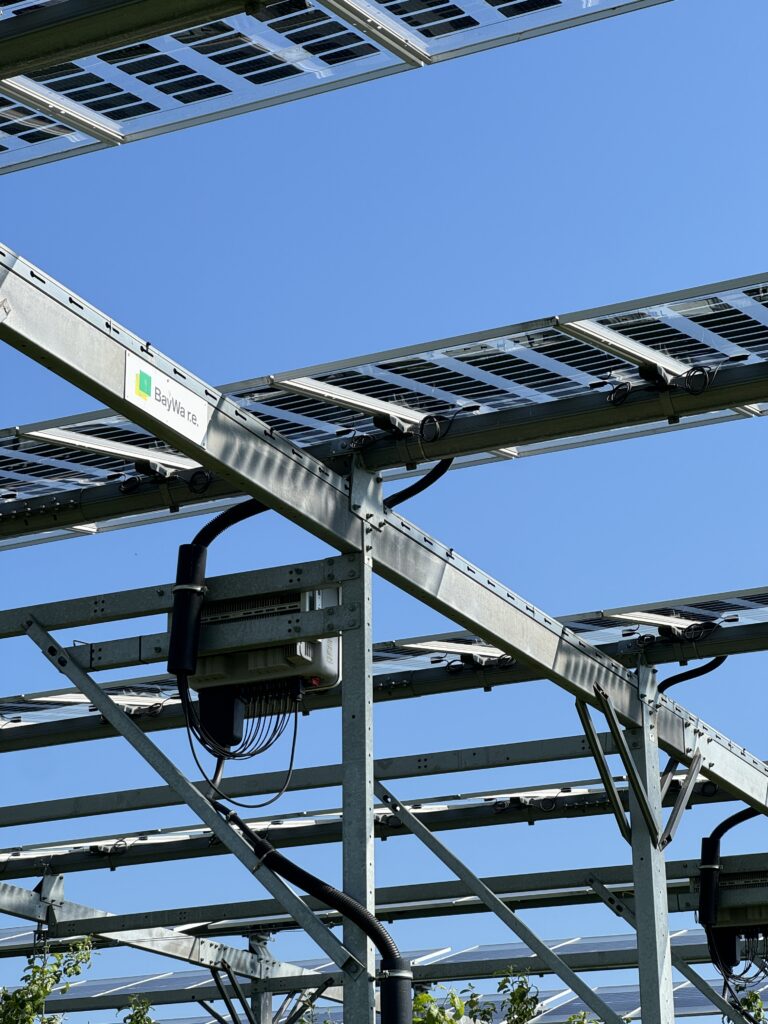
Trial: 9100 square meters
Installed Peak Capacity: 258 kWp, generating approximately 258,000 kWh per year (Fraunhofer ISE, 2021).
Levelised Cost of Electricity (LCOE): Fraunhofer ISE estimates the current LCOE for German agrivoltaic projects to range between €0.07 and €0.12 per kWh (averaging around €0.093/kWh), making it highly competitive with grid power over the system lifecycle.
Orchard Cost Reduction: Long-term financial modelling based on the real Gelsdorf pilot plant confirms that substituting traditional hail protection nets with permanent solar steel framing reduces agricultural infrastructure investment costs by up to 26%, while simultaneously reducing annual operating and maintenance land charges by up to 8% (FH Erfurt Academic Repository, 2021).
Phytosanitary Advancements: The overhead solar shield keeps the underlying apple trees significantly drier during persistent rains. This provides a notable decrease in fungicide applications by minimising moisture-driven spore propagation of apple scab (Venturia inaequalis).
Synergy Effects in Arid Climates
In high-irradiance and arid regions, the “agronomic efficiency” of Agri-PV increases dramatically. In Maharashtra, India, Fraunhofer ISE studies found that shading effects and reduced evaporation under solar panels resulted in up to 40% higher yields for crops like tomatoes and cotton. In such climates, the PV panels act as a critical survival mechanism for the plants, rather than just a protective layer. The land-use efficiency in these regions can nearly double, as the same plot of land provides a high energy yield while simultaneously enhancing food production beyond what would be possible in an unshaded field.
Weaknesses
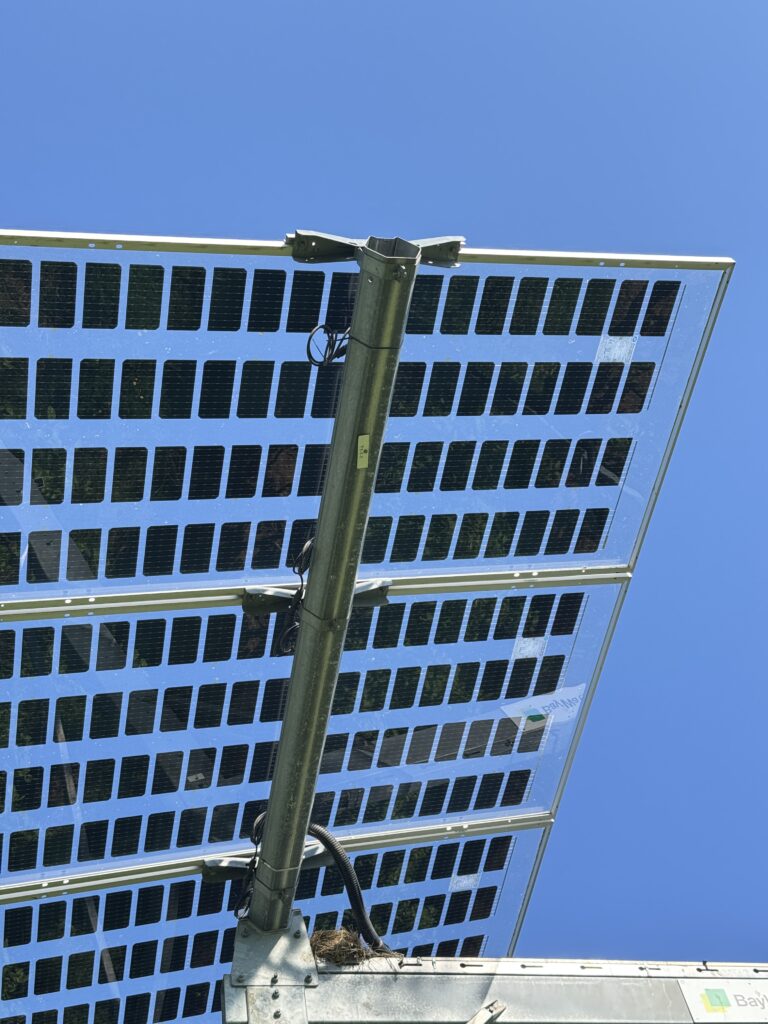
High Initial Capital Expenditure (CapEx): Substantial upfront financing required for the elevated tracking structures, steel anchoring, and high-quality PV systems.
Topography Difference: In states like Himachal and Uttarakhand, topography must be kept in mind; these tough terrains increase the cost of structure and the manpower. Also these technologies are viable for large farmers with surplus incomes, as smallholders with limited landholdings may not be able to apply these.
Technical Knowledge Gap: Lack of local specialised technicians for routine grid maintenance, panel calibration, and tracking system upkeep in remote villages.
Shading Sensitivity Tolerance: Not all traditional crop varieties handle fixed shade well. Horticultural selections must pivot toward shade-tolerant cultivars.
Opportunities
Himalayan Rain & Hail Mitigation: In states like Himachal Pradesh, Jammu & Kashmir, and Uttarakhand, Agri-PV entirely eliminates heavy fruit crop losses caused by increasingly erratic, severe springtime hailstorms. However it remains to be experienced if the installation challenges can tolerate extreme wind, rain and hail incidence with increasing input cost and complexity.
The 2.5× Lowland Yield Multiplier: Arid regions like Rajasthan feature extreme solar irradiance profiles. Installing Agri-PV here would achieve at least 2.5× higher energy generation output per square metre than in Western Europe.
Decarbonising Post-Harvest Logistics: Merging solar energy with cold-storage facilities lowers diesel generator usage and carbon footprints across the Indian supply chain. Co-financing apple production through electricity profits can reduce individual crop unit processing costs by almost 60% over time (FH Erfurt Academic Repository, 2021).
Threats
Climatic Extremes & Structural Load Risks: High-altitude monsoons bring intense wind loads, while winter brings severe snow accumulation, demanding rugged structural load engineering. Lowland deployment in hot zones faces efficiency drops from dust layer accumulation and thermal limits (negative temperature coefficients).
Fragmented Landholdings: Indian agricultural properties are historically small and split up, complicating the installation of large-scale, continuous overhead solar grids.
Regulatory Barriers: Complex grid-interconnection policies, lack of standardised feed-in tariffs for agricultural co-generation, and slow subsidy processing.
Strategic Engineering and Amortisation Outlook
The financial viability of this integration is underscored by the estimated break-even point of 10–12 years. While the initial capital investment of €800,000 is substantial, the long-term returns are secured through a combination of energy savings, grid feed-in revenue, and the agronomic benefits provided by the system’s protective structure.
This model for the Indian horticultural sector requires targeted, localised adaptations:
Low-Cost Mountings: Structural setups must move away from expensive imported alloy frames toward local structural steel configurations or tension-cable designs capable of handling regional monsoon wind shears.
Phenological Window Optimisation: European data shows that zebra-pattern shading causes a minor ripening delay in apple varieties. In India, this can be strategically leveraged to extend harvesting timelines, allowing growers to skip seasonal market gluts and command late-season premium pricing.
Closed-Loop Micro-Irrigation: Coupling the power output with Venturi automated drip loops (as observed in the Gelsdorf raspberry setups) optimises fertiliser use-efficiency (fertigation) alongside solar harvesting. This builds a highly resilient, climate-smart farming ecosystem.
Synergistic Use of Algae-Based and Botanical Biostimulants
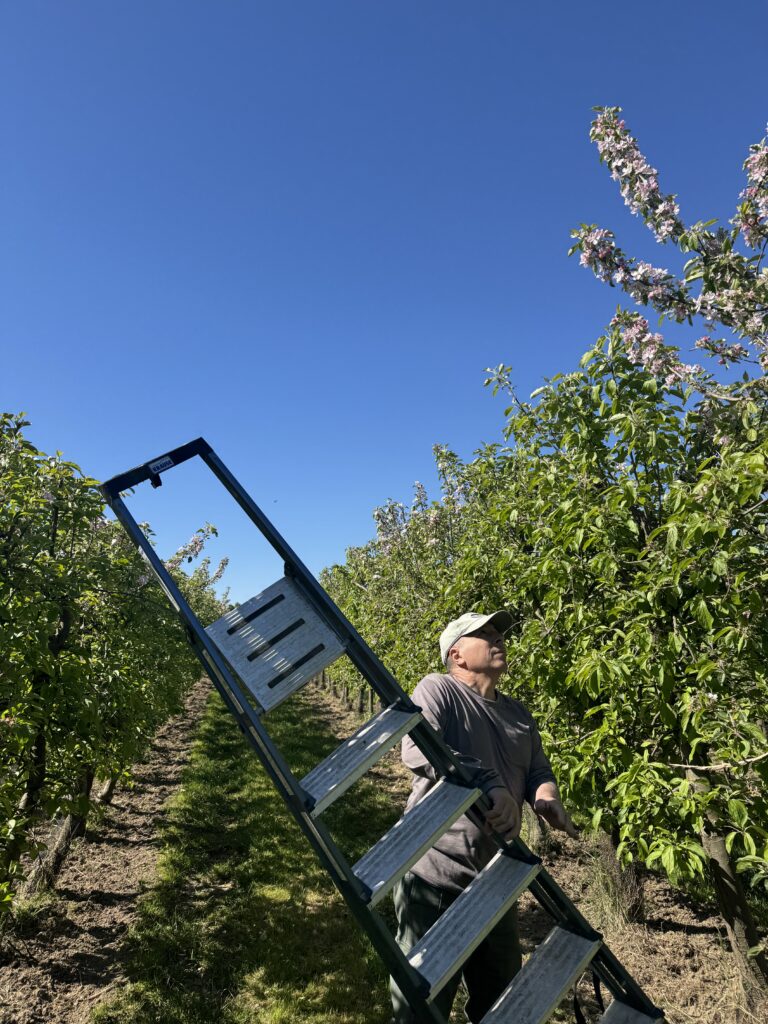
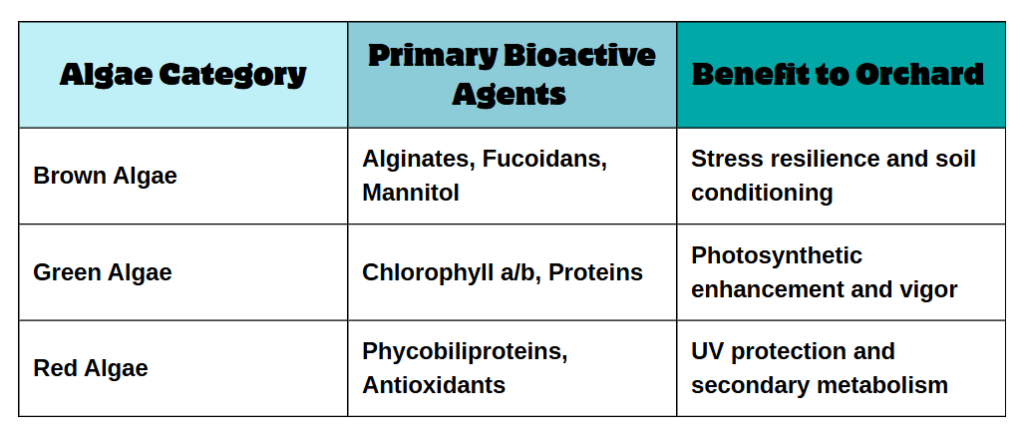
To sustain the high physiological demands of 200,000 trees in a dense planting configuration, the facility employs a sophisticated biostimulant schedule. These products are not fertilisers in the conventional sense; instead, they enhance natural plant physiological processes, improving nutrient use efficiency, tolerance to abiotic stress, and overall crop quality. The application of algae-based biostimulants (here in the picture, Micotop), derived from red, green, and brown algae, forms an integral component of the nutritional strategy, with approximately 20–30 foliar applications annually. Algal extracts are rich in bioactive compounds, including complex polysaccharides (such as laminarin and alginates), amino acids, vitamins, and naturally occurring phytohormones. Brown algae, particularly Ascophyllum nodosum, are highly valued for their elevated concentrations of betaines and mannitol, which act as osmoprotectants, maintaining cellular water balance and protecting tissues during periods of drought and temperature stress.
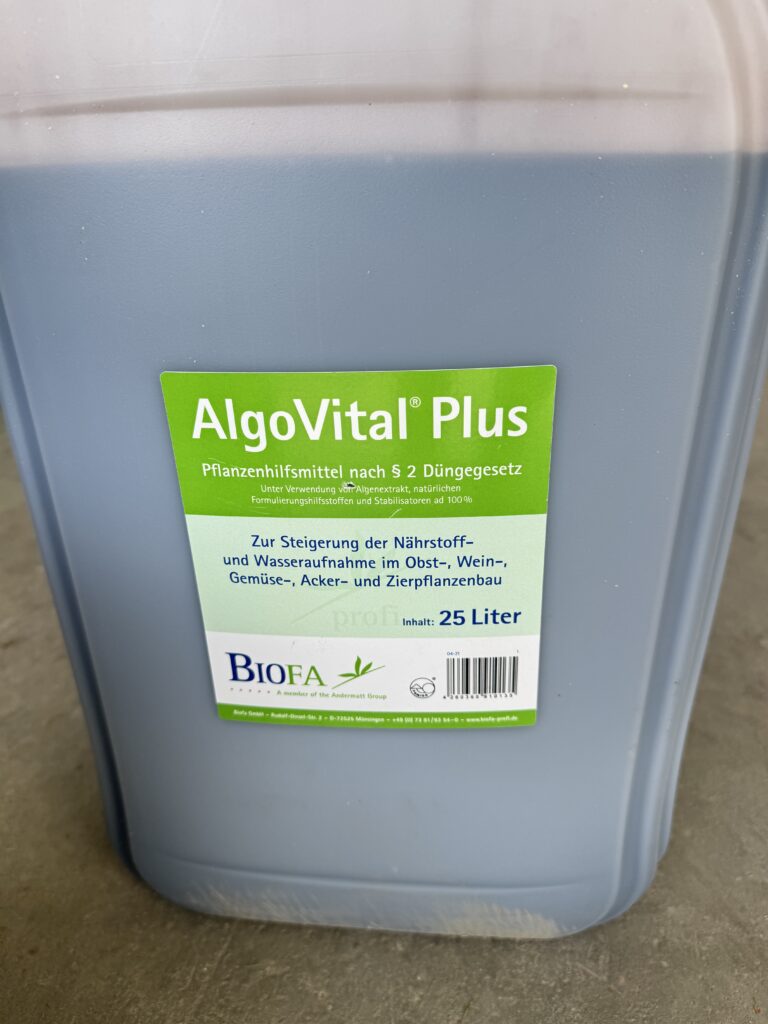
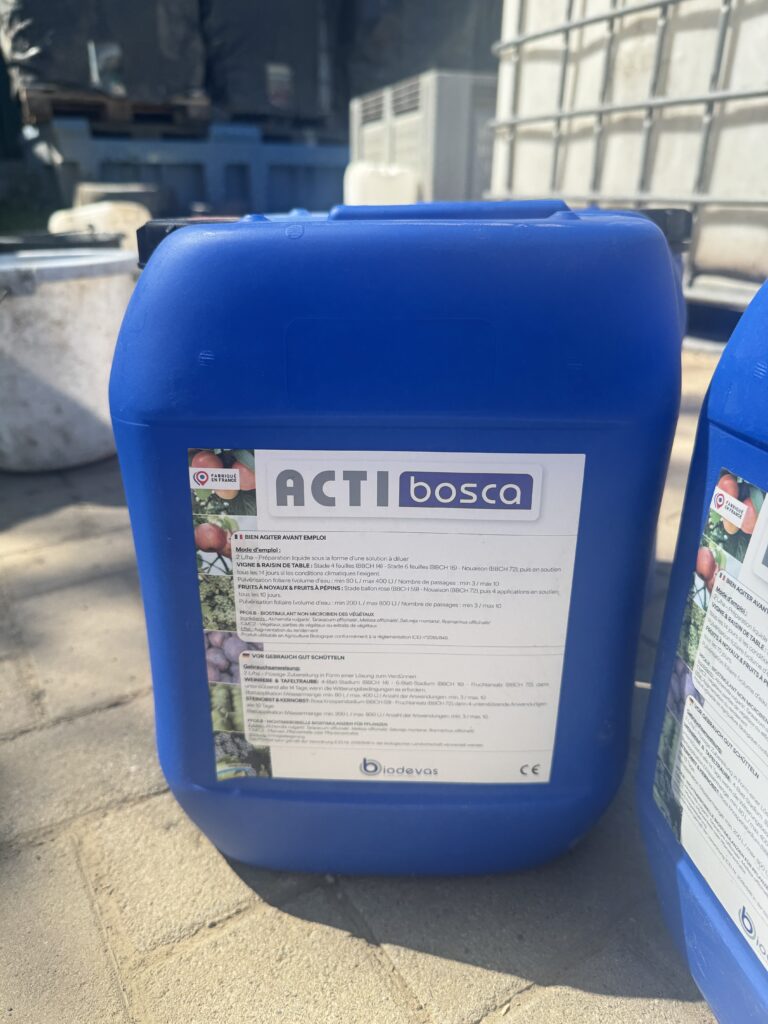
In addition to algal formulations, the programme incorporates non-microbial botanical biostimulants composed of plant extracts from lady’s mantle (Alchemilla vulgaris), dandelion (Taraxacum officinale), lemon balm (Melissa officinalis), winter savoury (Satureja montana), and rosemary (Rosmarinus officinalis). Applied as foliar sprays, these biostimulants are used at key phenological stages, including the 4- and 6-leaf stages, pink bud stage, and fruit set, followed by periodic maintenance applications every 10–14 days depending on crop and environmental conditions.
The formulations are designed to stimulate plant metabolism, improve resilience to environmental stress, enhance nutrient assimilation, and ultimately increase crop yield. Furthermore, the product is certified for use in organic agriculture, making it compatible with sustainable orchard management systems.
Integration of Champost (Mushroom Compost)
Soil conditioning is further enhanced through the application of Champost, or spent mushroom substrate. This organic amendment is a byproduct of the mushroom industry, typically composed of pasteurised straw, horse manure, and poultry manure.
Champost is highly regarded for its high organic matter content and its ability to improve the structure of heavy clay or sandy soils.
However, the use of Champost in fruit orchards requires technical precision due to its chemical characteristics. Spent mushroom substrate often contains up to 30% chalk, used during the mushroom fruiting phase, which makes the material inherently alkaline. While this alkalinity is beneficial for maintaining the neutral pH of 7.0 in naturally acidic soils, excessive use can lead to a buildup of salts and an increase in pH above optimal levels, potentially inducing iron chlorosis in the trees.
The facility mitigates these risks by combining Champost with algae-based treatments, which have been shown to help plants tolerate the higher salt concentrations associated with concentrated organic amendments.
Phytosanitary Forecasting: The Decision Support System
In addition to structural microclimate protections, modern orchards utilise digital decision support systems (DSS) to monitor pest and disease dynamics. The facility operates the web-based platform to model pathogen biological cycles and calculate infection risks by integrating hourly data from local physical or virtual weather stations.
Pathogen Biology and Disease Modeling
The platform simulates the population development of apple scab (Venturia inaequalis) throughout the growing season.
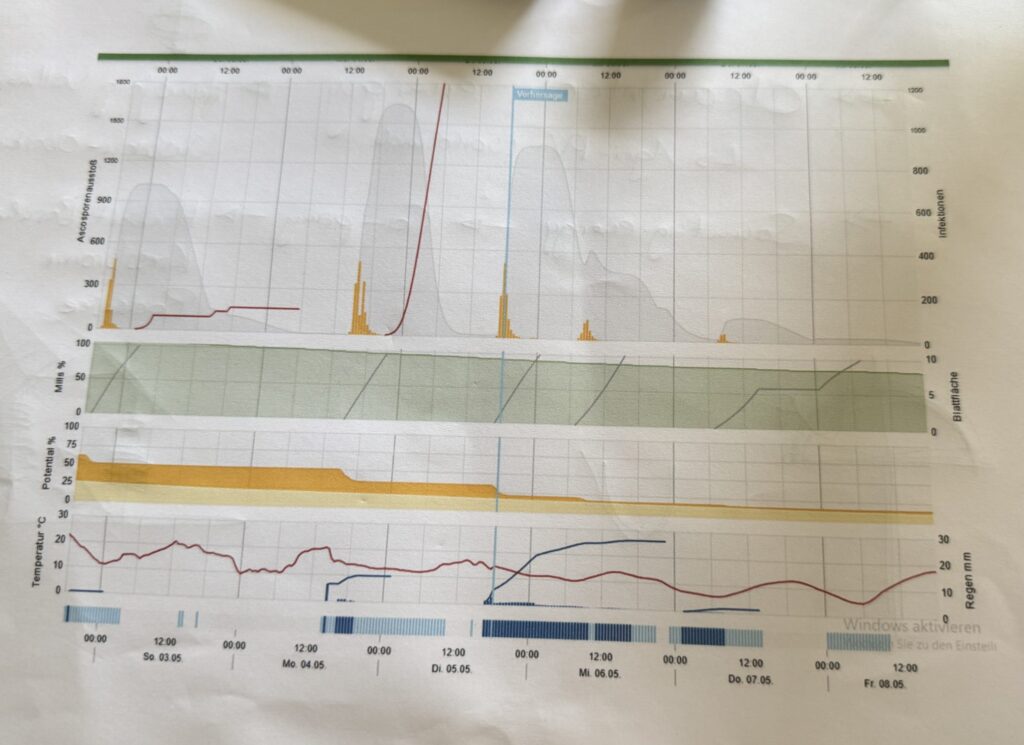
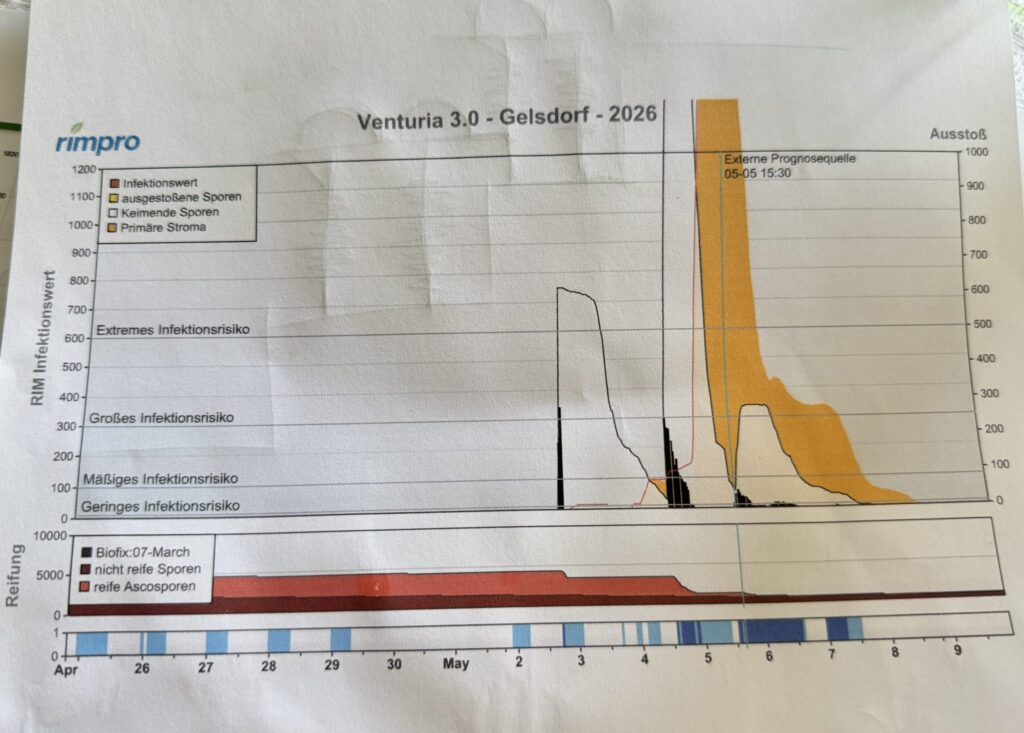
Ascospore Maturation: Initialising from a localised biofix date (set to March 7th for the Gelsdorf 2026 season), the platform computes the maturation of overwintering perithecia in the fallen leaf litter. It models the ratio of immature, non-ejectable spores to mature, dischargeable ascospores.
Discharge and Germination: When rainfall occurs, the model simulates ascospore discharge and tracks the hourly rate of ejected spores per hour. The subsequent spore germination on the leaf surface is calculated as a function of temperature and leaf wetness duration.
Infection Level: If environmental conditions allow the spores to penetrate the leaf cuticle, the platform calculates a relative “RIM Infection Value”. Risk levels are categorised into light (RIM < 100), moderate (RIM 100–300), and heavy/severe (RIM > 300). RIM values exceeding 600 represent critical infection events that can cause severe crop damage if left untreated.
Station Data Observation (Gelsdorf 2026): Field sheets from the Gelsdorf station on May 5, 2026, show a severe infection risk with a RIM value climbing past 1,000. This spike coincided with a rain event (indicated by rain depth measurements) and a sudden drop in remaining spore potential (from approximately 100% down to 25%), indicating a massive release and germination of the primary seasonal inoculum.
Measured Agronomic and Economic Performance
Scientific evaluations and field trials have quantified the direct benefits of using RIMpro decision support models compared to traditional scheduling:
Fungicide Volume Reduction: The use of “during-infection” spray timings calculated by the platform allows growers to reduce the overall volume of active fungicide substances applied by 30% to 50% on susceptible cultivars.
Application Frequency Reduction: Studies show that traditional calendar-based programmes of 9 to 11 sprayings can be safely optimised down to 7 to 9 targeted applications, allowing growers to omit 1 to 3 unnecessary fungicide treatments per season entirely.
Disease Management Efficacy: Despite fewer applications, disease control remains highly effective, maintaining overall fruit and leaf scab severity ratings below 1.88%, with leaf scab incidence restricted to under 4% and fruit incidence under 1.5%.
Conclusion
My two-week internship at Bio-Obsthof Nachtwey provided an invaluable opportunity to observe how modern horticulture successfully integrates scientific research, technological innovation, and sustainable management into a commercially viable production system. Beyond learning routine orchard operations such as canopy management, pruning, post-harvest handling, and organic pest control, I gained first-hand insight into how data-driven decision-making and precision agriculture can significantly improve productivity while reducing environmental impact.
The combination of high-density planting (HDP), agri-photovoltaic (Agri-PV) systems, organic nutrient management, biostimulant technologies, and digital disease forecasting demonstrates that the future of fruit production lies not in relying on a single innovation but in integrating multiple complementary technologies into one resilient production system. The Agri-PV installation illustrated how agricultural land can simultaneously produce food and renewable energy while also providing protection against hail, excessive solar radiation, and heavy rainfall. Likewise, the use of algae-based and botanical biostimulants, spent mushroom compost, pheromone-based pest management, and predictive disease modelling highlighted how biological and digital solutions can reduce dependence on synthetic chemical inputs while maintaining high yields and fruit quality.
From an Indian perspective, particularly for the Himalayan apple-growing regions of Himachal Pradesh, Uttarakhand, and Jammu & Kashmir, many of these technologies present significant opportunities. Although challenges such as high capital investment, fragmented landholdings, and policy remain as limitations.
Integrating HDP orchards with Agri-PV structures, precision fertigation, renewable energy generation, and decision-support systems could substantially improve water-use efficiency, climate resilience, labour productivity, and farm profitability. Such systems are especially relevant in the face of increasing climate variability, recurring hailstorms, rising production costs, and the need to transition towards more sustainable agricultural practices.
This internship also reinforced the importance of international knowledge exchange. Observing German organic orchard management while sharing experiences from Indian horticulture highlighted that sustainable agriculture is driven by collaboration, continuous research, and the willingness to adapt proven innovations to local conditions. As a South-North volunteer, this experience has strengthened my technical understanding of climate-smart horticulture and inspired me to contribute towards the modernisation of India’s fruit production systems through evidence-based, environmentally responsible, and economically sustainable farming practices.