Introduction
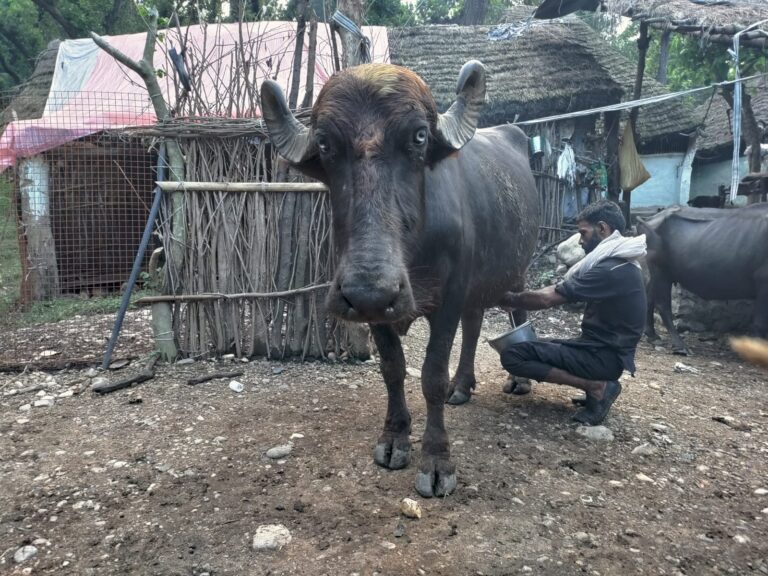
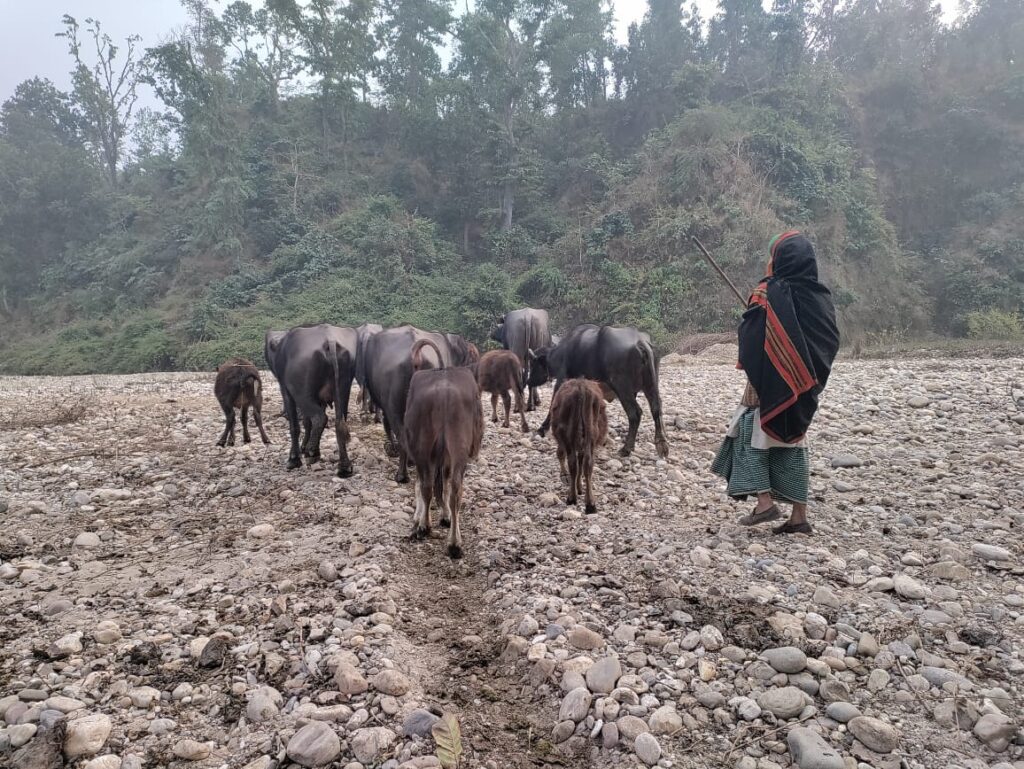
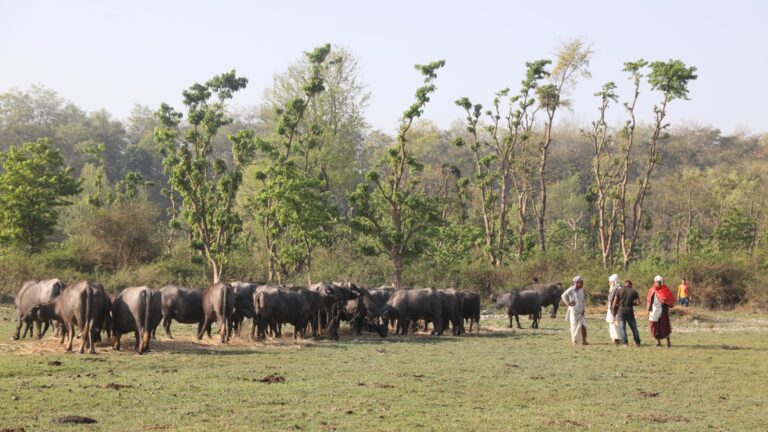
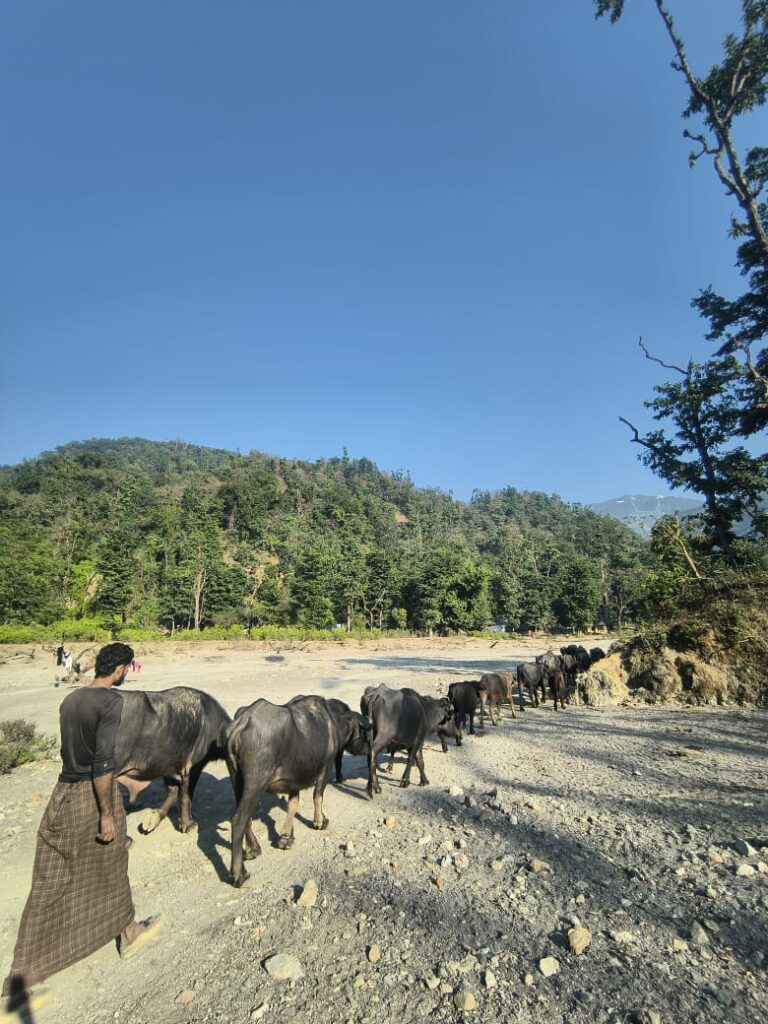
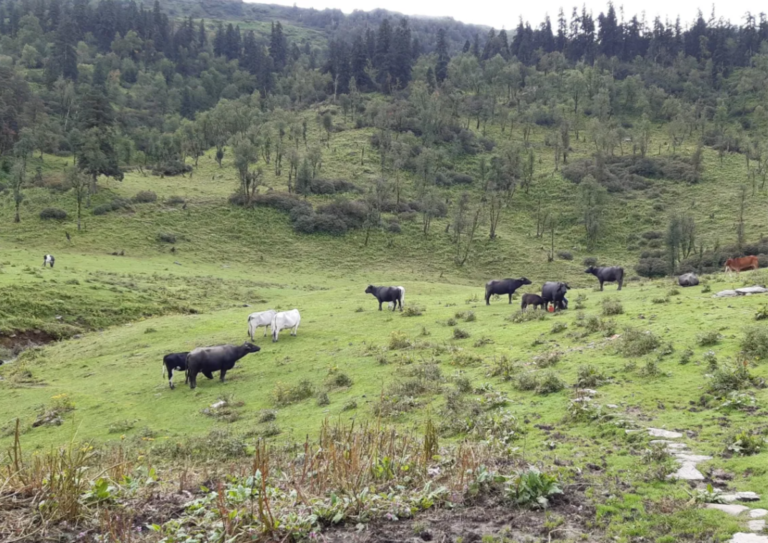
As April sets in and afternoons get warmer day after day, a few families in the Shivalik Hills (southernmost Himalayan ranges) notice their buffalo herds getting restless. It is time; they must start packing up ration on horses and prepare for their departure. For the next four months, these families will walk together with close to 150 buffaloes across mountains and stay in the alpine grasslands of Himachal Pradesh and Uttarakhand as high as 1,500-4,000m to ensure their buffaloes graze on fresh, nutritious grasses. These are the Gujjar pastoralists and their indigenous Gojri buffaloes. This community has the distinction of being the only ones who practice mobility at alpine elevation with the buffalo. No other community is known to take the animal to such altitudes.
However, they do not know that this yearly affair of theirs, an ordinary part of their life that often goes unnoticed even by the local citizens and government, is currently being talked about by people world over, for it is the International Year of Rangelands and Pastoralists (IYRP) 2026.
India: IYRP and the (non)Recognition of Pastoralism
The IYRP has been declared by the United Nations to raise global awareness of the importance of pastoralism in sustainable food production and ecosystem protection. With the Indian government as an official supporter and endorser of the IYRP, India has the opportunity to bring visibility to pastoralism in the public eye as well as form policy frameworks for pastoralists — aspects that have been absent in the country so far. Pastoralists have been one of the most misrecognised and misunderstood groups in the country.
Their stereotype as a backward and unproductive group that started in British times has unfortunately been passed on to the governance system even today. Many land schemes since Independence have attempted to sedentarise them by offering land ownership. Of the many pastoralists who nevertheless continue to practice their traditional livelihoods even today, the government (across Ministries) has no nation-wide statistics on their households or livestock held. The term ‘pastoral’ or ‘pastoralist’ is rarely mentioned in publications or policy schemes of the Ministry of Animal Husbandry. And with no statistics comes no policy.
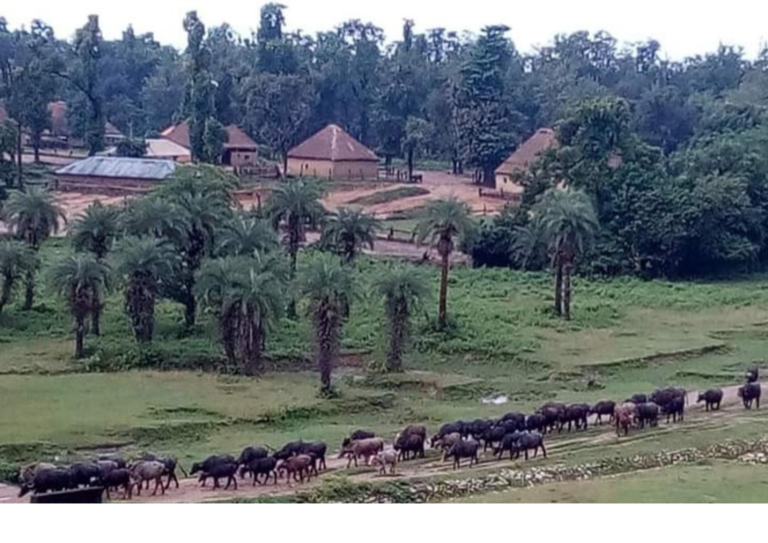
Pastoral communities sustain their livelihoods through a sophisticated management of livestock by carrying the knowledge of traversing across pasturelands seasonally, providing food security, agricultural inputs, and practising ecologically sustainable land usage. Yet, no national-level policy framework exists to support these communities in continuing their practice.
Pastoralism and Mobility
Pastoralism is one of the few pre-agricultural livelihood systems that contributes to modern economy. Over 50% of India’s milk supply and 70% of its meat production is estimated to come from pastoralists. They also maintain nearly 40% of India’s recognised livestock biodiversity. This is possible through one feature that is practised by none of their contemporaries — and that is mobility. Pastoralists are specialised in moving herds to take advantage of the seasonal availability of grazing and water resources to ensure livestock productivity. Pastoral mobility ensures adaptability to nature instead of forcing nature to work for it, which is what makes it highly resilient amidst climate change and unpredictable weather patterns. For pastoralists, uncertainty has never been an anomaly but a way of pastoral life. Because of the pastoral usage of land in a seasonal and collective manner, instead of an exclusive, individualistic land usage in contemporary times, it is essential that policies provide legal recognition and support to their flexible practice.
Developments since IYRP
Over the last few years, a few attempts have been made at national and local levels as a result of community-led and civil society-supported movements. After India’s endorsement for the IYRP in the UN General Assembly in 2022, the first big development to take place towards the recognition of pastoralists in national policy frameworks has been their inclusion in the Livestock Census. Pastoral livestock would often get missed in getting enumerated during the Livestock Census because of the livestock present in fields, forests, and grasslands far from their native villages. But with the 21st Livestock Census held in 2024-25, a pastoral category has been introduced for the first time, under which enumerators went to remote locations to count pastoral livestock. The data will help governments understand the scale, spread, and economic contribution of pastoralism across states.
Even at the state level, seeds of change are visible. Jammu and Kashmir was one of the first states to start mobile schools for children from pastoralists’ families in 2003. Himachal Pradesh became the first state in 2025 to issue a notification against tree plantations along traditional migratory routes of its pastoralists. Now, with its Pastoralists Empowerment in Himalayan Ecosystems for Livelihood (PEHEL) scheme, the government aims to support the livelihood and traditional breed practices of pastoral families, including Gaddis, Ghumantu Gujjars, Kinnauras, and others.
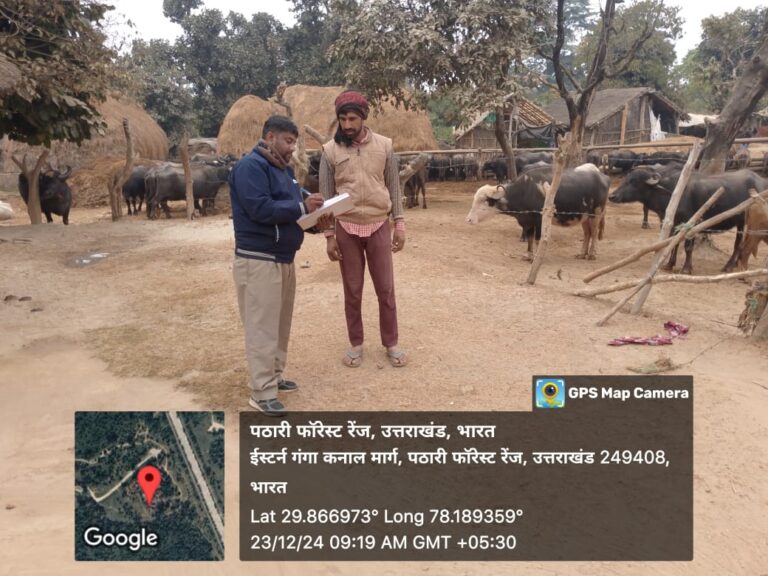
In Karnataka, the Karnataka Traditional Migratory Shepherds (Welfare Measures and Protection against Atrocities) Act proposes pastoralists’ recognition through pastoral identity cards and legal protection. These policies will ensure that pastoral rights and needs are reclaimed, with the freedom to move and access commons.
Challenges in Pastoral Economy
While these efforts go a long way in recognising pastoralists and their unique livestock management system, pastoral livelihoods continue to struggle in today’s economy. Demand for wool, leather, and other pastoral products has almost vanished since the entry of synthetic or imported alternatives. In the case of the dairy sector, large dairy companies with a capital-intensive, mass-produced value chain dominate the market, while local pastoralists remain limited to informal markets. This happens because of the market’s inability to incentivise pastoral mobility and seasonality, seeing them instead as vulnerabilities.
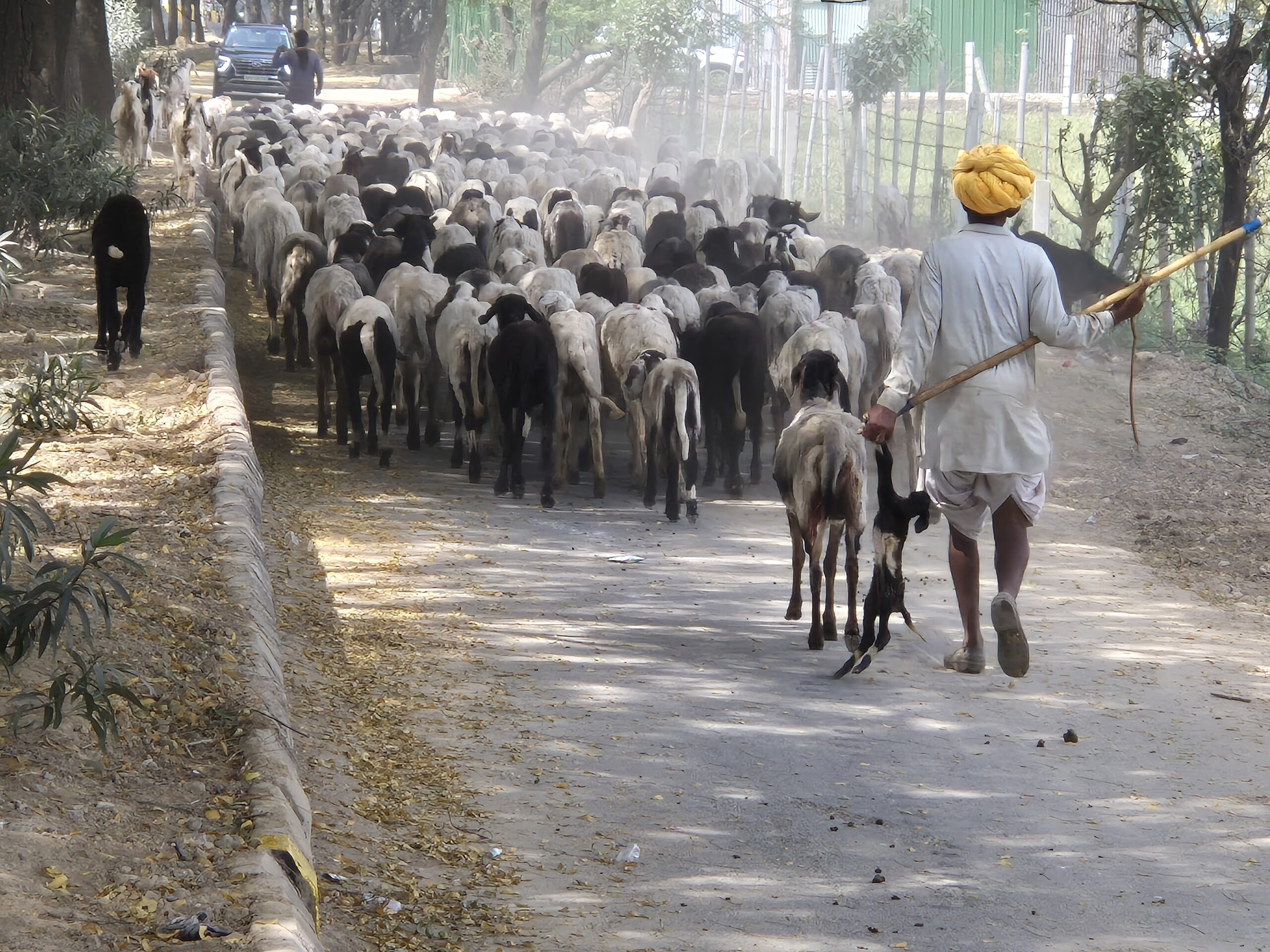
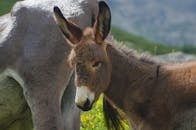
Pastoral Communities around North India – Rajasthan Rabari’s with Sheep in Noida, Gujarati Maaldhaar with Kankrej Cattle on GT Highway Sonepat, Sheep Grazing Mandi Distt, Spiti Donkey | Credit – Gram Disha Trust
However, any intervention to strengthen pastoral livelihoods must identify ways to incentivise pastoralists for their mobility and ecological contribution. Pastoralists are one of the most cost-effective livestock rearers who provide food and ecological security through a sophisticated herd management system. At a time when the dairy and fodder sectors are going through a crisis due to unpredictable weather patterns, we must learn from pastoral economies and their adaptive capacity, to reimagine the dairy value chain. In articles to follow, we will delve into identifying these possibilities within the pastoral dairy economy, and build a case for a value chain that puts pastoral practices in the centre. As with well known examples from Sustainable Agriculture innovations such as CETARA-NF, Traceability of pastoral value chains does have a strong case here.