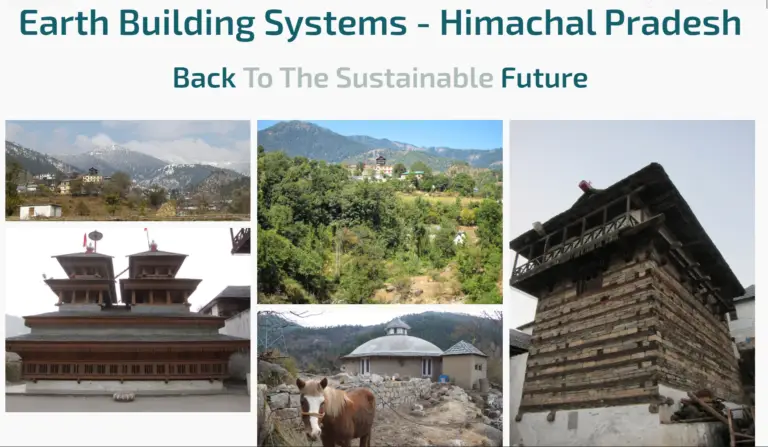
Village Tourism and the Relevance of Shail Shaastra (Śail-Shāstra)
What if your hotel room had walls older than your grandparents?What if the place you stayed in was not built for tourists but shaped by generations who understood the mountain as family?
Imagine waking up in a Himalayan village. The first sunlight gently touches thick stone walls. A soft chill lingers in the air, yet inside the house it feels naturally warm. Somewhere nearby, someone lights a traditional chulha. The scent of wood smoke rises and blends with the crisp mountain wind.
This is not a resort. This is a living village.
In today’s world of standardized hotels and glass architecture, travelers increasingly seek authenticity. They want places that breathe history. They want conversations, not check-ins. They want to feel rooted, even if only for a few days. Heritage tourism research suggests that meaningful travel experiences emerge when visitors connect with living traditions rather than staged attractions (Timothy & Boyd, 2003).

But what creates this authenticity in Himalayan villages?
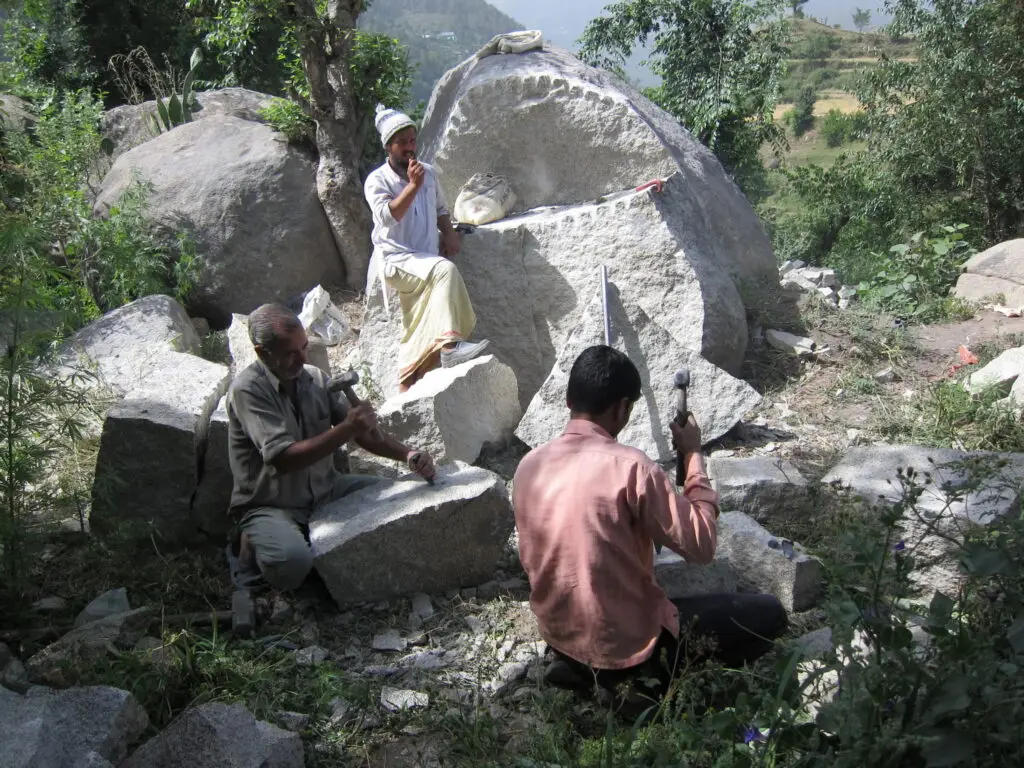
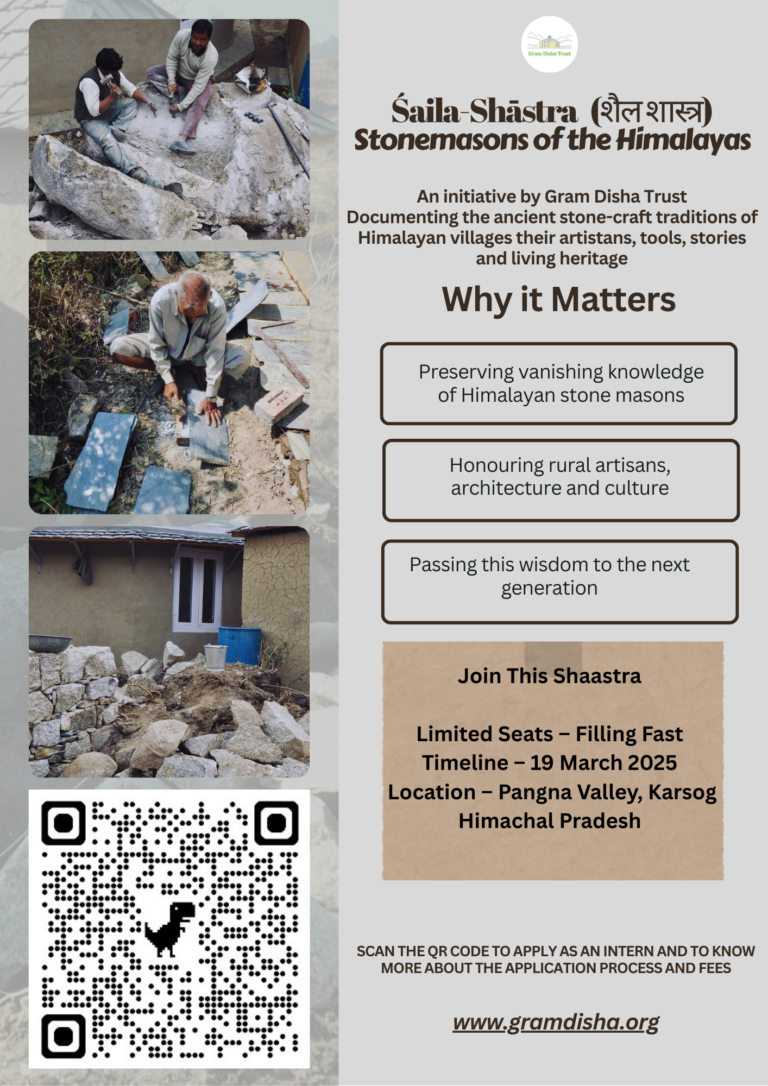
The answer lies in an ancient and deeply intuitive architectural knowledge system Śaila-Shāstra. The heart of this experience lies in Śaila-Shāstraa, the ancient Himalayan science of stone construction. The word combines “Shail” (mountain/stone) and “Shaastra” (knowledge system). It represents a time-tested architectural tradition that teaches how to build in harmony with nature rather than against it. Building not just walls, but sustainable futures through Shail Shaastra.
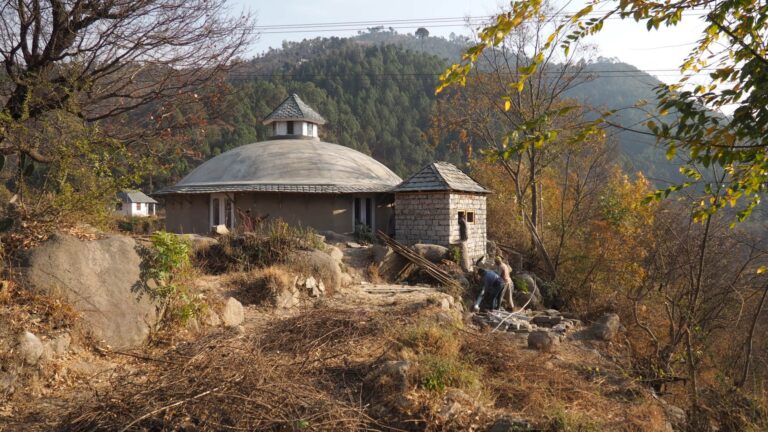
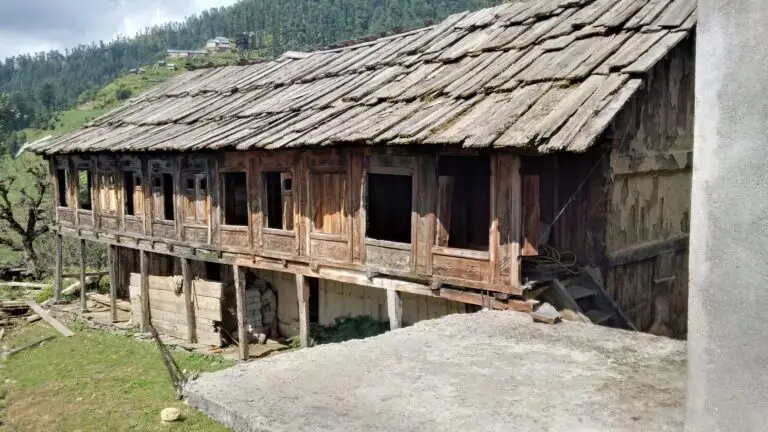
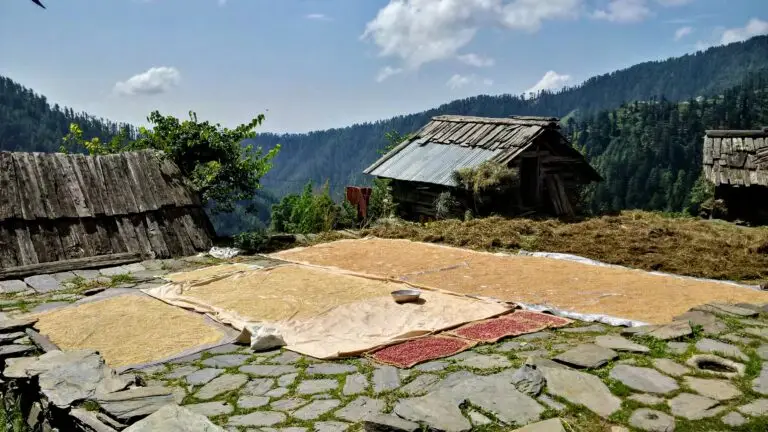
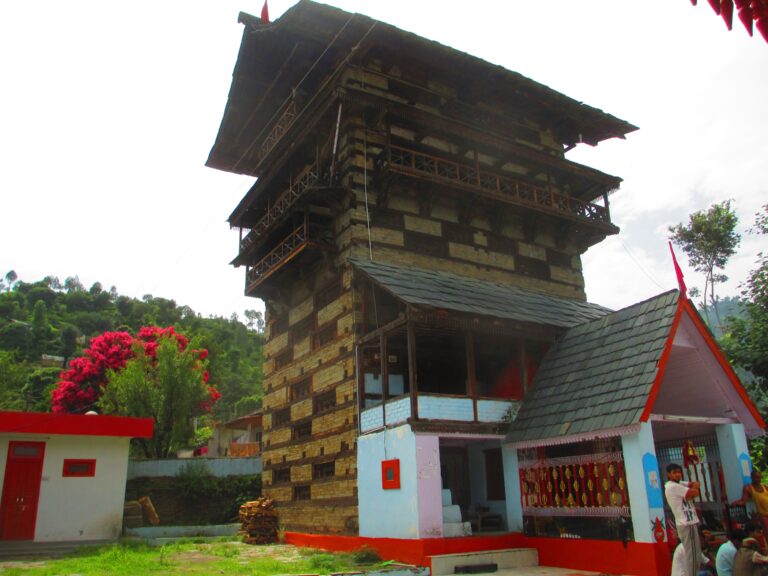
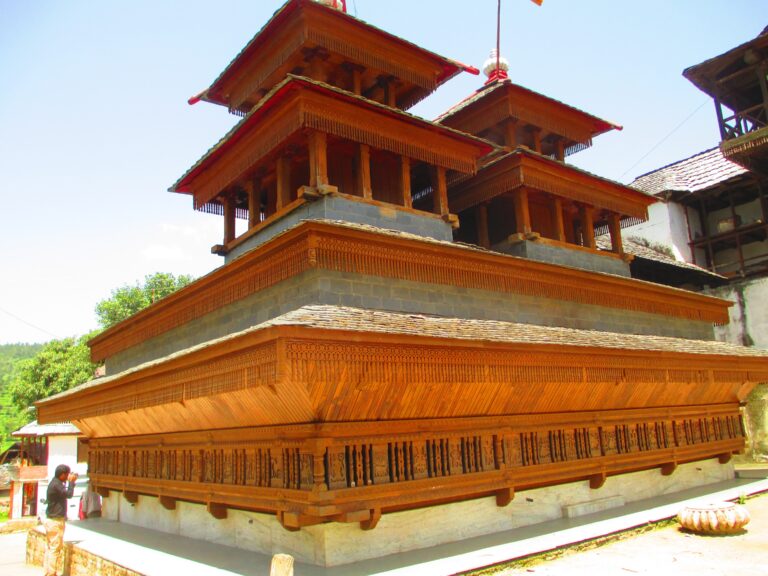
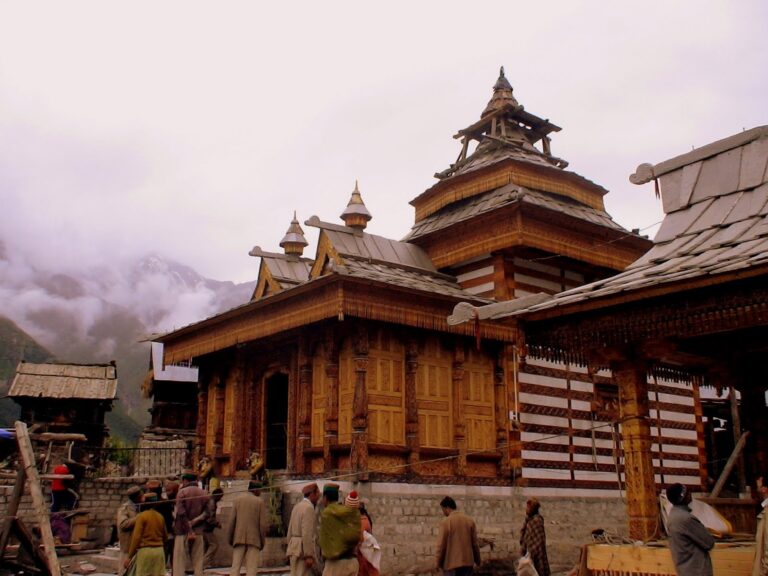
Śaila-Shāstraa is more than technique; it is environmental understanding refined over generations. It guides the selection of locally available stone, the integration of wooden seismic bands for earthquake resistance, the orientation of buildings for optimal sunlight, and the design of thick insulating walls that regulate temperature naturally. Such vernacular systems demonstrate how architecture evolved directly from climate, terrain, and cultural continuity rather than stylistic trends .Long before sustainability became a global discourse, Himalayan communities were already practicing climate-responsive and resource-efficient construction. These indigenous systems reflect what scholars describe as built environments shaped primarily by local needs, materials, and ecological adaptation (Oliver, 2006).
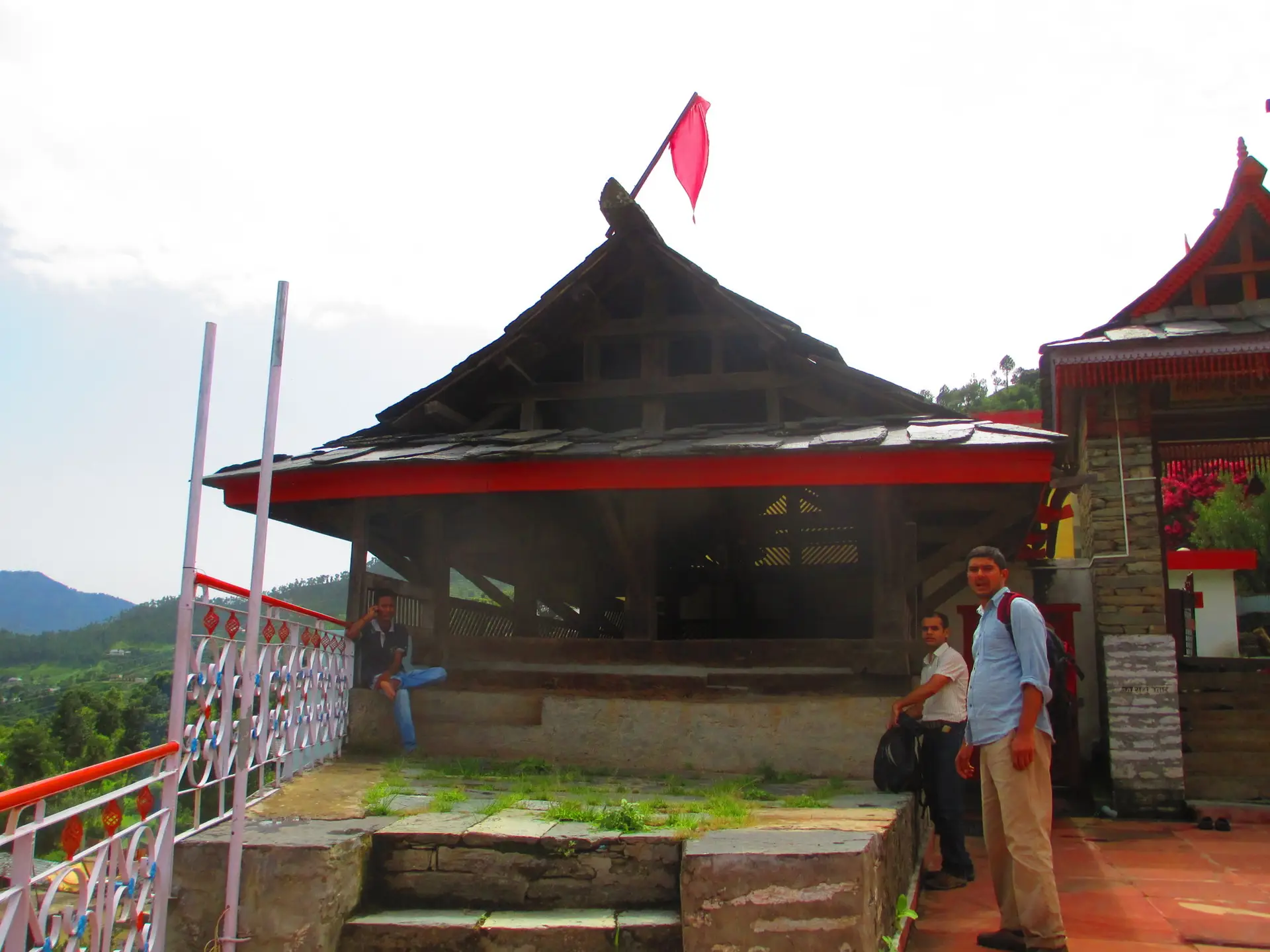
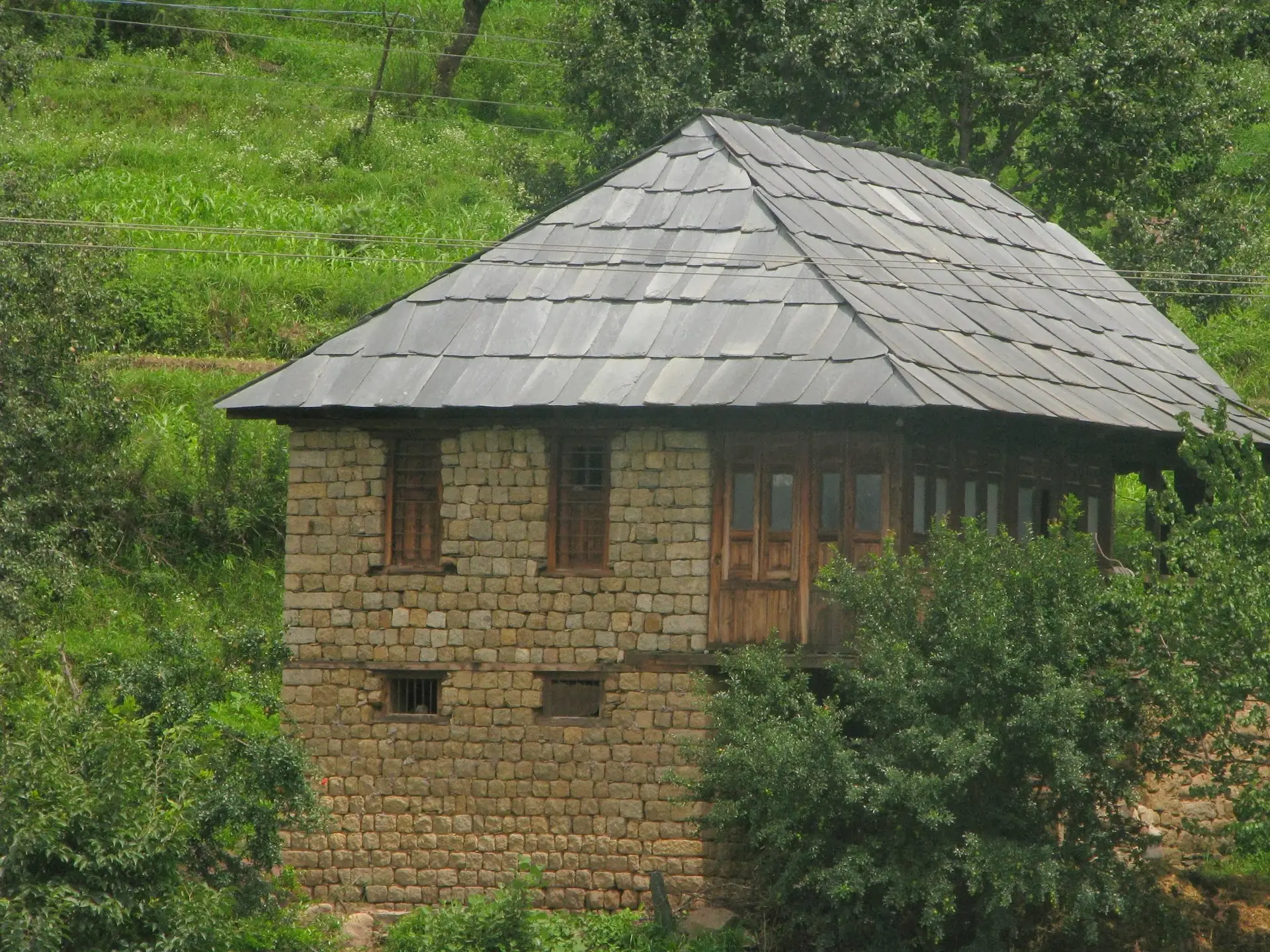
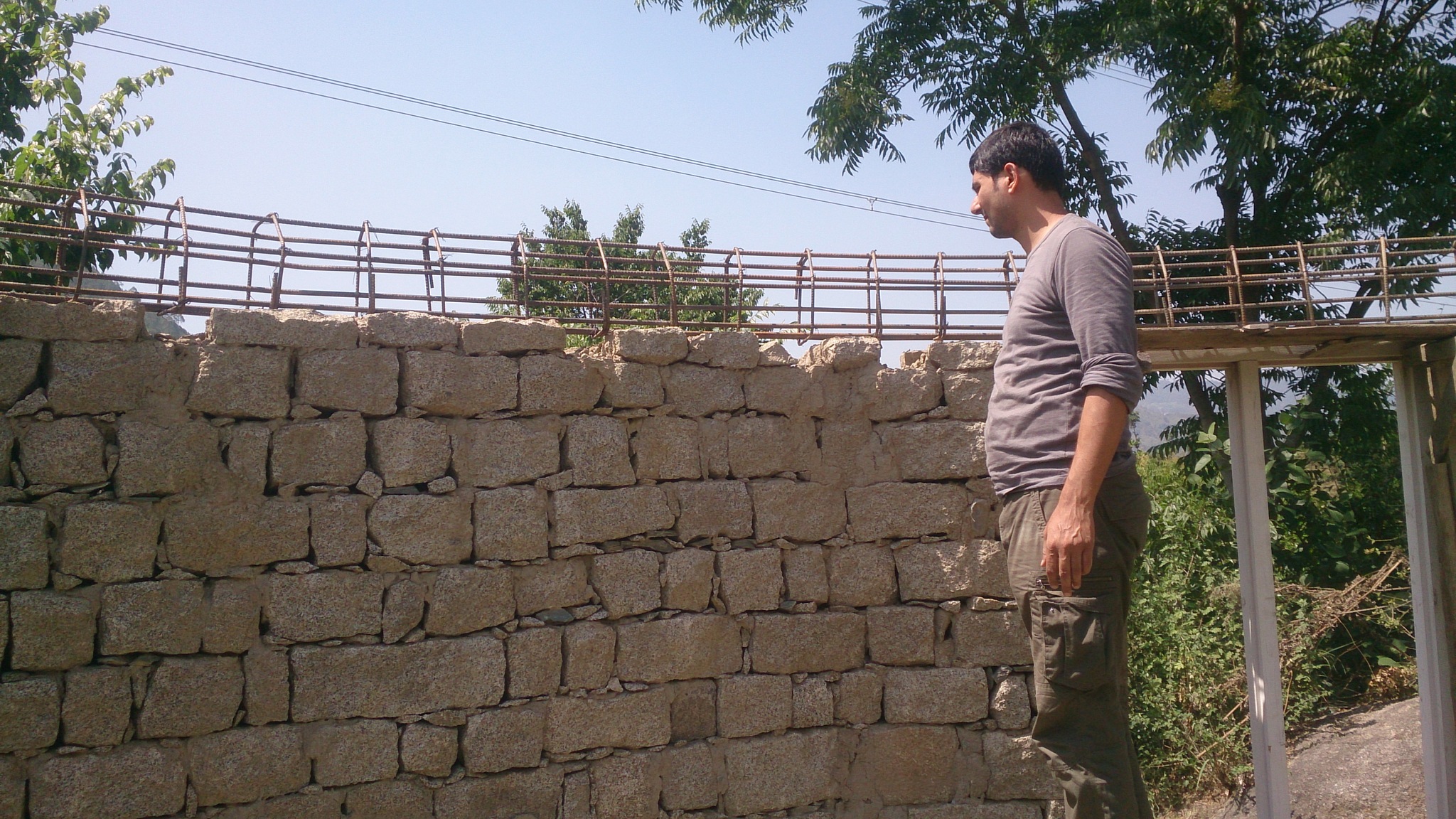
In villages like Baag in the Pangana Valley, habitats constructed with these principles do not appear imposed; they emerge organically from the landscape. Pathways follow the slope of the land. Rooflines echo the rhythm of the hills. Architecture becomes an extension of the mountain itself.This is where village tourism becomes meaningful. Visitors do not just stay, they experience living heritage. They feel the cool texture of stone, understand the logic of climate-responsive design, and connect with a knowledge system that has protected communities for generations.And this is exactly the spirit that the upcoming Śaila-Shāstraa Residential Program (20 April – 5 May) seeks to celebrate an invitation to experience, learn, and preserve this remarkable mountain wisdom.
Click Image for Detailed Article