




GDT X Ecoselva Volunteer’25-26

From Gram Disha to Germany: Learning Botanical Science in Practice

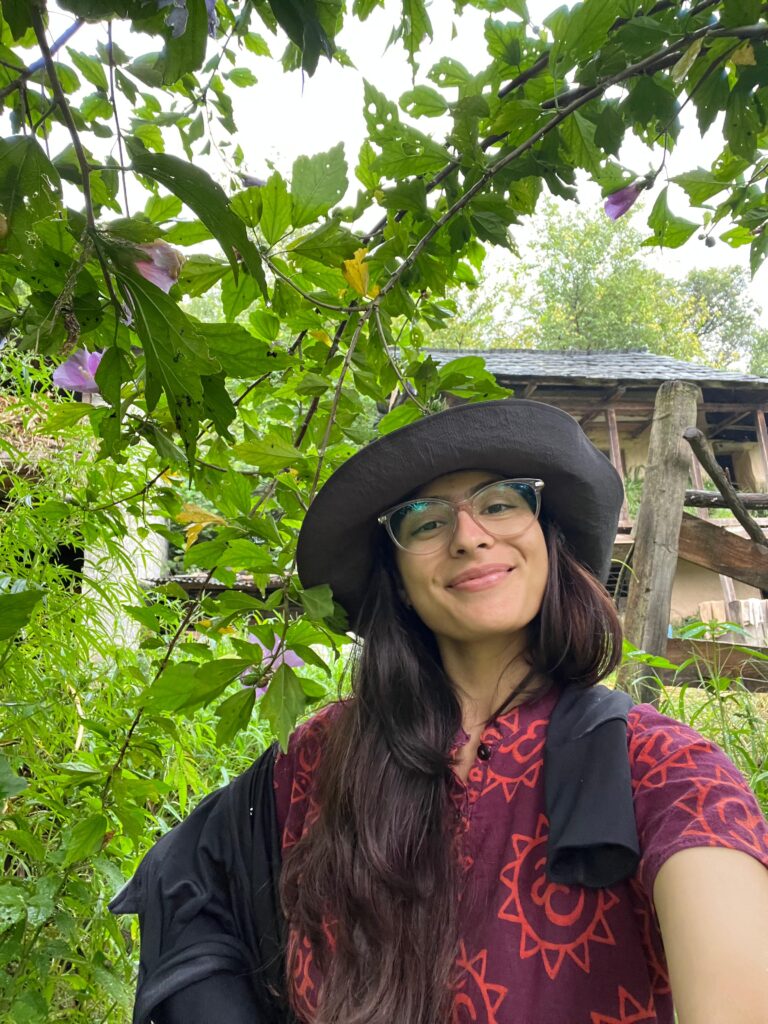
Hi, I’m Cheshta. If you’ve been reading Gram Disha Trust’s blogs, you may remember that I have written for this platform before. Few of my articles are:

History of Organic Farming in India, 

Identifying Wild Plants as Biocontrollers: 1. Girardinia diversifolia, 2. Nicotiana tabacum 3. Lantana camara,

Innovation in action: Precision Agriculture X IoT X Natural Farming and more.

Today, however, I write not from home, but from Germany, where GDT has given me the opportunity to expand my learning in plant sciences through an international volunteer programme – weltwärts. I am grateful to my host organisation, Ecoselva e.V. 

I am currently volunteering at the Botanical Garden Marburg. This experience is not just cultural exposure but also a hands-on immersion into botanical management, conservation systems, and sustainable horticultural practices.

GDT has always emphasised grassroots learning, environmental awareness, and capacity building. This opportunity reflects that vision, enabling young learners like me to observe how plant conservation and sustainability function within a scientific and institutional framework.

To grow, we must learn and sometimes unlearn.

Learning Inside a Botanical Institution

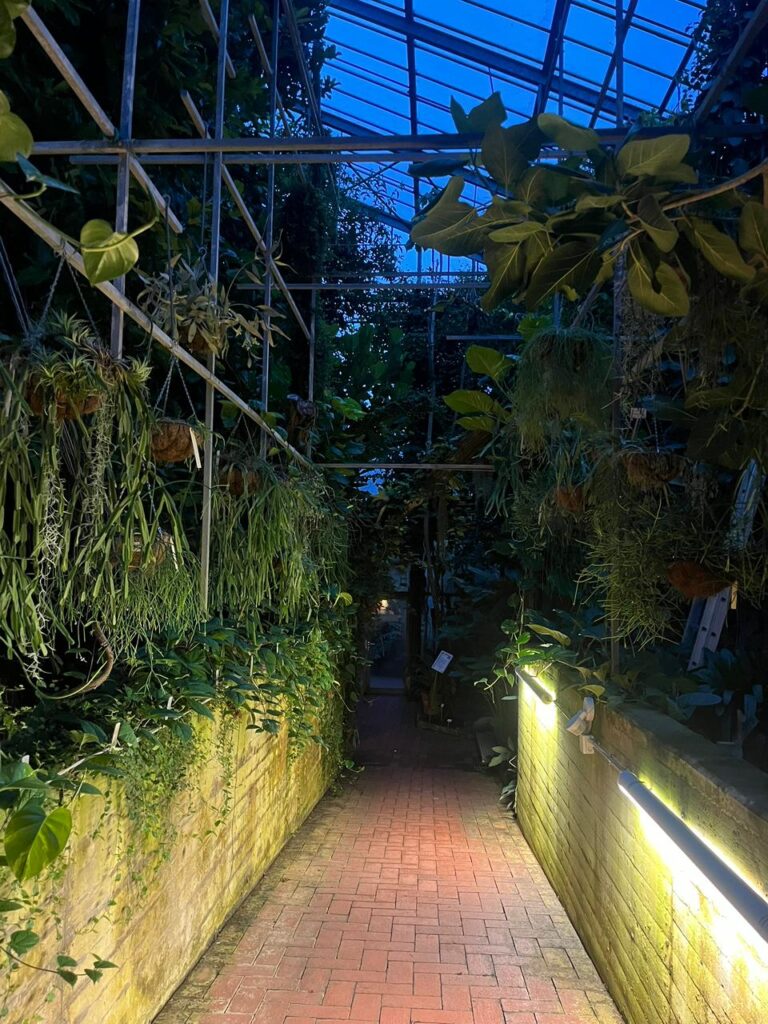
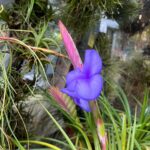
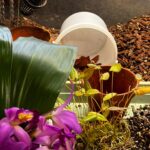
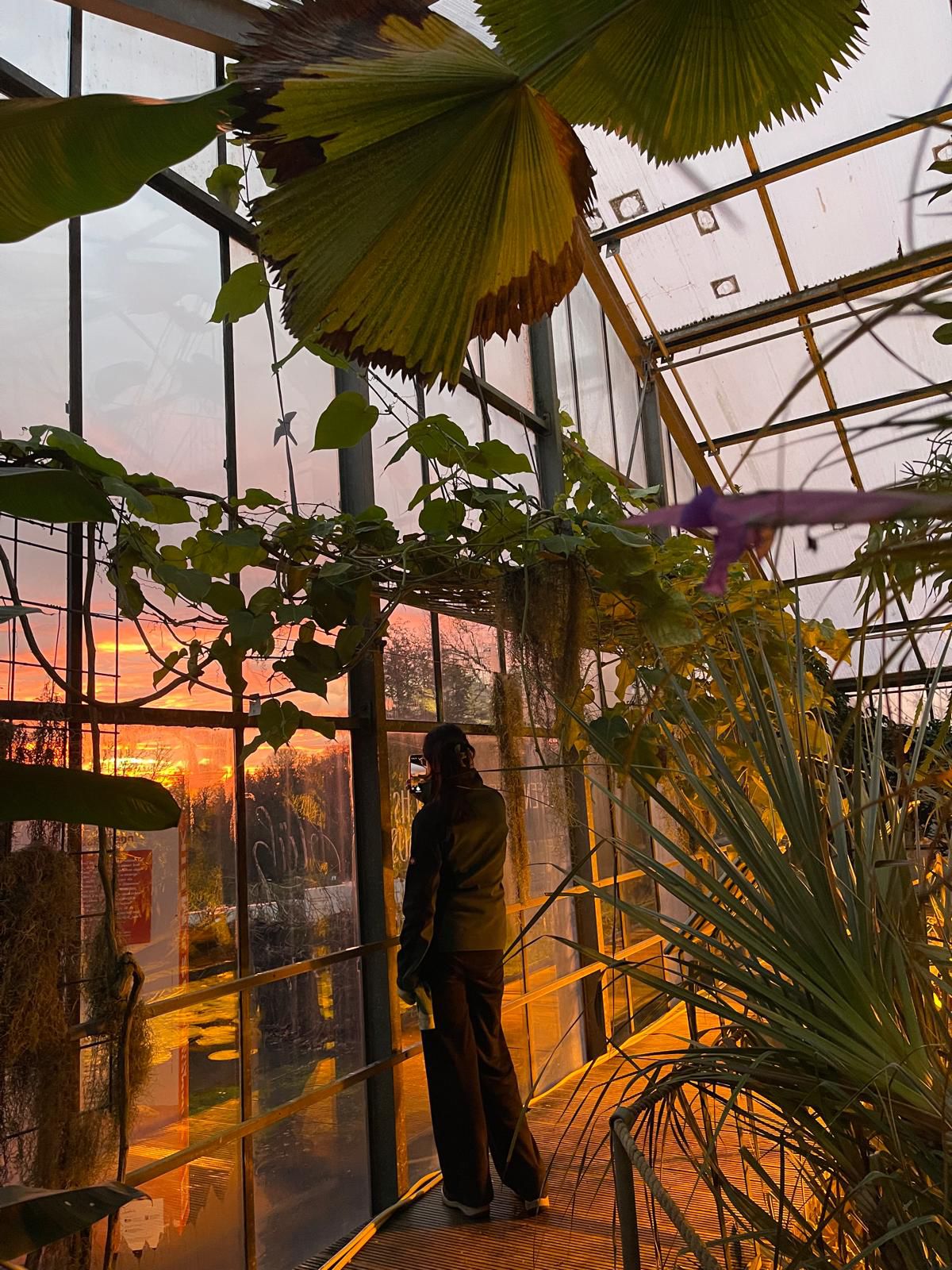
My daily routine begins in the tropical greenhouse. For nearly two hours each morning, I and one more volunteer from another organisation, Anna Lena, are responsible for watering and monitoring tropical plant collections. 

Over the past months, I have worked across different plant sections:

  • Tropical species
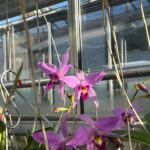
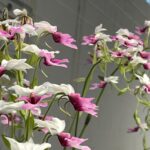
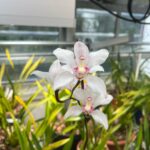
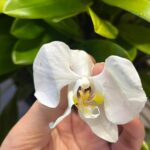
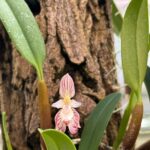
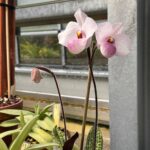
  • Orchids
  • Some Himalayan varieties as well.
  • Indoor ornamental collections
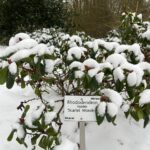
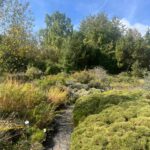
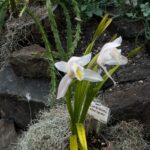
  • Outdoor plant systems (Alpinum)
Tropical House
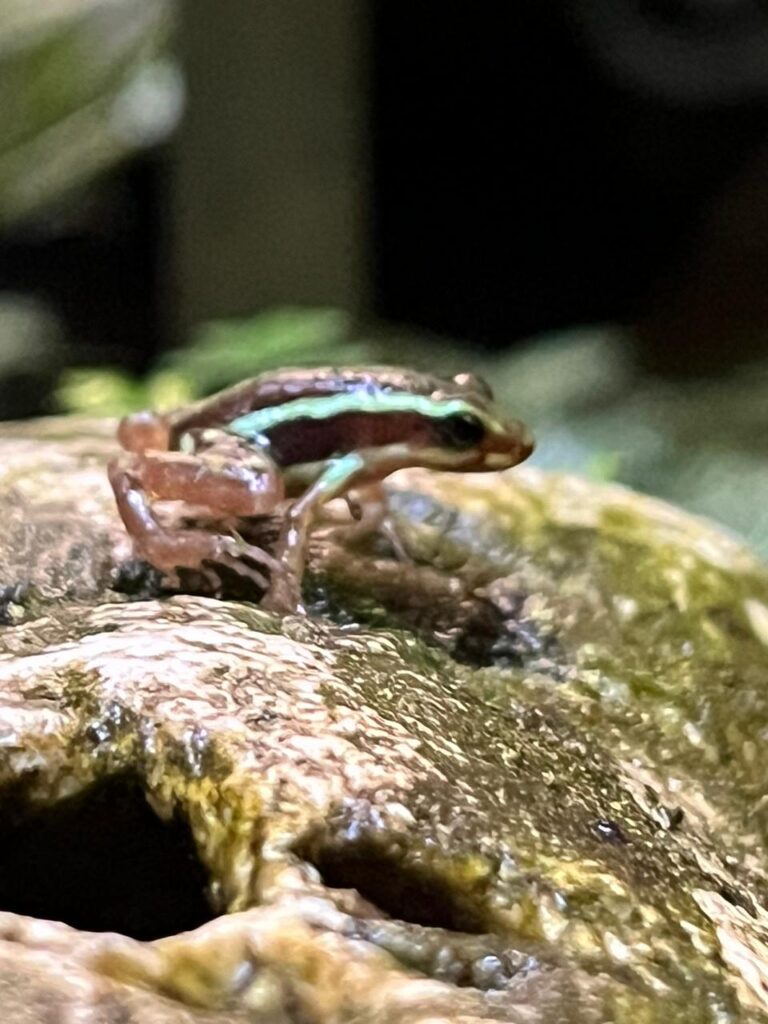
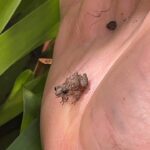
Poisen Dart Frog : Epipedobates anthonyi
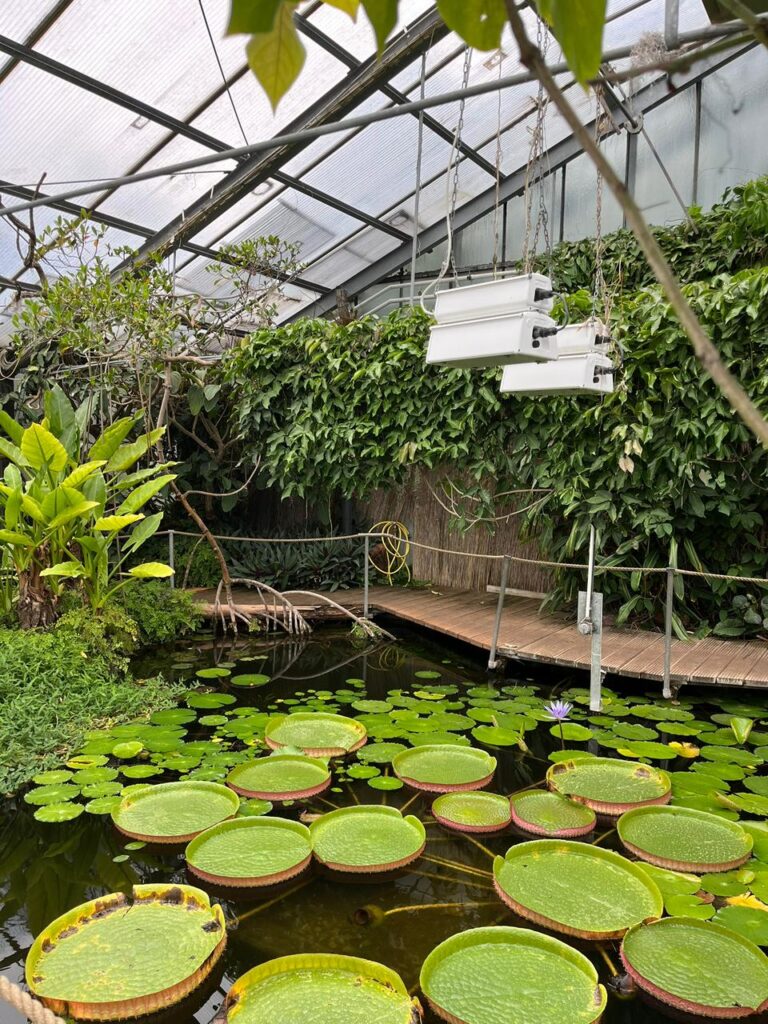
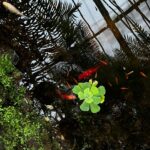
Victoria House
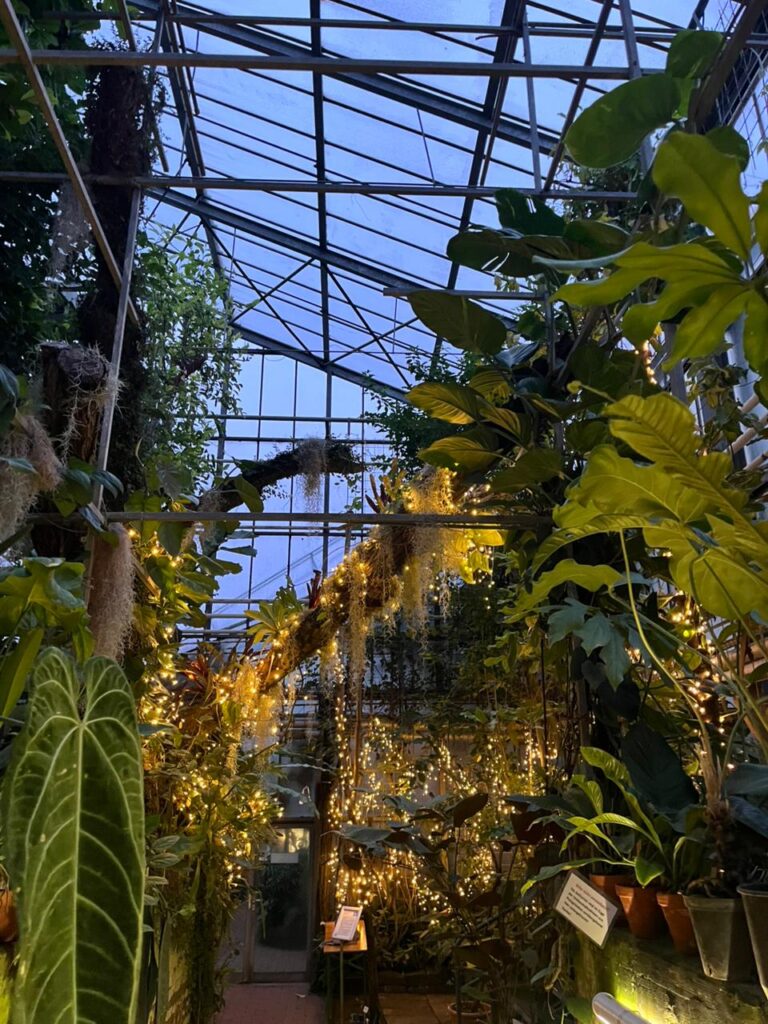
Glasshouse decorated for Tropical Night

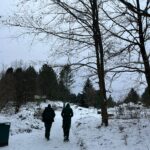
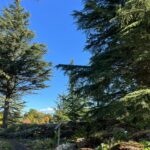
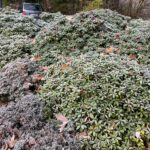
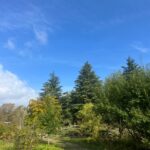
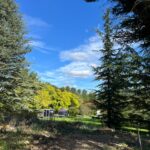
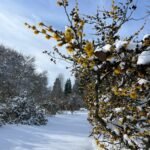
From September to mid-December, I worked primarily on the outdoor project Alpinum. This period helped me understand seasonal management of temperate plants under European climatic conditions. I assisted in:

  • Cleaning and maintaining plant beds
  • Observing seasonal dormancy responses
  • Assisting in vegetative propagation
  • Understanding soil preparation techniques

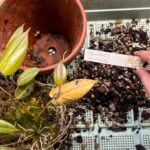
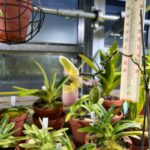
Since December, my work has shifted towards orchids; one of the sensitive plant groups. Working with orchids has deepened my understanding of:

  1. Bark-based and aerated substrate composition
  2. Root oxygenation requirements
  3. Controlled irrigation systems
  4. Division-based propagation
  5. Fungal risk management in high-humidity environments

One of the most important lessons for me has been substrate formulation so far. Unlike general horticultural practice, botanical gardens prepare highly customised growing media depending on root structure, drainage capacity, and nutrient retention. For example, orchid substrates prioritise aeration, while alpine or Himalayan species require mineral-rich and well-drained compositions.

The level of precision is strengthening my understanding of plant physiology in practice.

Attached is a document that I prepared about my volunteer experience so far for my host organisation, Ecoselva e.V:

Conservation and Ex-Situ Plant Management

Volunteering in a botanical garden has introduced me to structured conservation techniques. Unlike ornamental gardening, here each plant is part of a documented system.

I am learning how:

  • Older plant specimens are preserved and rejuvenated
  • New plants are propagated through controlled methods
  • Plant accession records are maintained
  • Species are conserved outside their native habitats

This has given me exposure to ex-situ conservation systems, where biodiversity is preserved in managed environments. The botanical garden functions not only as a display space but also as a living archive of plant diversity.

Observing this structured approach has expanded my understanding of how conservation can be integrated into daily horticultural practice.

Sustainability Models in Practice

Sustainability has always been important in my academic and personal journey. However, volunteering at the Botanischer Garten Marburg has allowed me to observe sustainability implemented at an institutional scale.

Some of the models I am learning about include:

  • Resource-efficient irrigation systems
  • Compost-based nutrient cycles
  • Reduced reliance on synthetic inputs
  • Energy-conscious greenhouse management
  • Seasonal plant rotation planning

This systematic approach demonstrates how sustainability can move beyond theory into measurable, operational practice.

Knowledge Expansion and Professional Growth

Through this experience, I am developing stronger observational skills. In a botanical setting, small indicators like leaf discoloration, root texture, fungal spotting, and moisture imbalance can determine plant survival. Learning to identify and respond to these early signs is a valuable technical skill. Although there is yet a lot to add, which I will do with time.

Exposure to plant species from different climatic regions; tropical, Himalayan, and temperate European  allows comparative understanding of adaptability, substrate response, and growth regulation.

This opportunity is helping me bridge academic plant science with applied botanical management. It is strengthening my technical foundation while broadening my perspective on conservation and sustainability at a global level.

As I continue my volunteering here, I hope to keep learning advanced propagation techniques, conservation systems, and sustainable horticultural models that I can integrate into my future work in India.

Gram Disha Trust’s core belief in experiential learning has brought me here and this journey is still unfolding.

Leave a Comment