
Helping Farmers with Smart Tools - AgriTech Survey on IoT Solution for Smallholders
Since the mid-1990s, the internet has connected people across the world. A few years later, the idea of connecting everyday devices to each other started to grow. This idea became what we now call the Internet of Things (IoT).
Over time devices became available also for functions in agriculture. However, implementing them has challenges.
So, how can AgriTech and IoT help out smallholder farmers appropriately?
“If the technology decreases the operational (input) cost and complexity of the smallholder – consider it – else send it back to the drawing board”
– Gram Disha Trust Agritech Maxim
Gram Disha Trust is actively engaging in the global discussion around appropriateness of AgriTech when implemented for Smallholders of the Global South. Forums such as Digital Agri Hub provide an appropriate development platform for such discussions. Within such forums we have proposed a maxim to consider when implementing technology, appropriately, for smallholders. In Himachal Pradesh, our trust works primarly with rain-fed smallholders, who may also have access to seasonal and fresh surface water.
It is within such a context that we are attempting to develop technology solutions which have a basis of reduction of input cost AND complexity for the smallholders. It is important to understand that cost and complexity are to be taken in conjunction and not just with tradeoffs.
If science and technology are to work for the betterment of smallholders, then both these considerations are important when developing appropriate solutions.
IoT For Farmers
Knowledge of farm surroundings, soil, ambient temprature, humidity and land conditions are essential for good production. Now there are sensors available which can measure indicators useful to derive production related information. A soil moisture sensor to know water holding capacity of your soil and ambient temperature sensor to know the temperature around your plants. But of what significance is this to farmers?
IoT lets different electronic/electrical devices communicate with each other, so if we have a system of sensors and actuators, where sensors communicate with actuators without human intervention, that may reduce the drudgery for farmers. Articificial Intelligence and Machine Learning also have a role to play in such solutions.
For example, if a soil moisture sensor detects that moisture is below a set threshold, it can send a signal directly to an actuator such as a water pump. The pump then irrigates the field until the sensor records an optimal value. This is easily achievable in protected and open field cultivation systems.
Such automation support the farmers efforts to irrigate. Similary there are sensors which allows for probabalistic estimation of insect-pest and disease incidence. Data from sensors may feed into a Machine Learning system and predict such events, allowing farmers to take preventive measure.
In India as the agricultral system is wide and diverse, it is important to localise solution so they are relevant to the farmers.
In the current state of art, there are challenges in the senstivity of the sensors and their suitable field level deployment. However, with suitable interventions it is possible to address these. It is important to understand the primary requirements of the farmers and their reasons for adopting such technologies.
As technology provides solutions for efficiency, it does come at a cost. It is important to understand how such systems are viewed by smallholders who wish to adopt technology however are unable to afford the cost and complexity which comes with it.
In this survey, we understand these requirements to determine the motivations and primary drivers for adoption by the farmers in Himachal Pradesh.
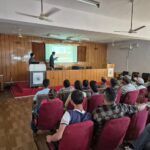
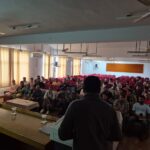
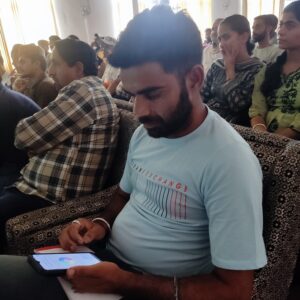
Survey session with farmers at Dr Y S Parmar University of Horticulture and Forestry, Nauni held on 22 Jul 2025
A Sectoral View - IoT in Indian Agriculture
Globally, a lot of discussions and prototypes are being attempted on implementing Digitial Technology for Agriculture and Food Systems. In the Global North, where the number of smallholders are diminshed or diminishing – the applications are also promoted by Large Corporate farms. At times, these solutions are assumed to the panacea for smallholders too. But that is a grave fallacy. Agritech and especially IoT comes with its share of challenges – mainly of cost and complexity. For IoT in agriculture, given the diversity of field application and variability in adaptability – one of the main challenges is that of Quality Sensors to measure in the open field implementations.
A number of discussions, where Gram Disha Trust has contributed are given here as a reference to the ongoing discource around AgriTech.
India has one of the highest implementations of Digital Solution among the Global South countries. However, it remains a question if all these solutions are suitable for smallholders? In Himachal Pradesh, there is very low penetration of AgriTech and IoT solutions among the smallholders, mainly due to high cost and complexity of implementation.
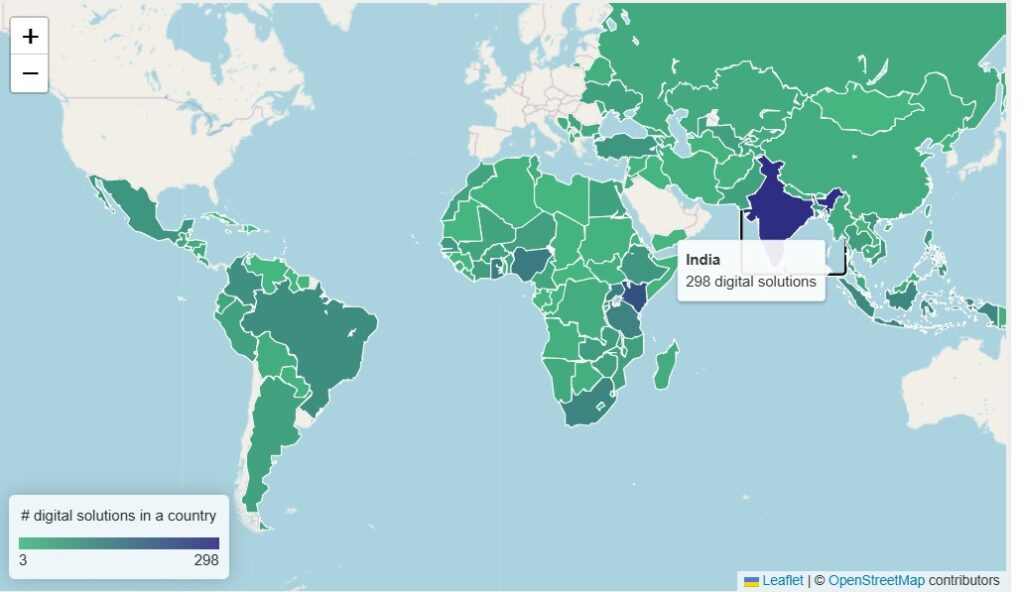
IoT is already being used in areas like precision irrigation, weather-based advice, supply chain tracking, and livestock monitoring. Greenhouses and plantation crops are seeing faster adoption compared to open fields. The main challenges are the high cost of reliable sensors, lack of compatibility between devices, and ongoing cloud service fees that can make farmers dependent on specific companies. Developing open, low-cost systems that farmers can own and control is important. It is of utmost importance that any solutions for AgriTech and IoT should be localised and contextual the the topography of the farmers. It is noted in our field experience with farmers that generalised solutions by private companies are being thurst upon the farmers with a contractual licensing lockin to buy products and services. These are not acceptable at within the local conditions of Himachal Pradesh, since the products and services are from a general perspectice of farmers in the plain areas. In mountain areas and Himalayas in general, there are no companies who design solutions and products specific for the agroecological conditions here. Thus such solutions continue to increase the cost and complexity for the farmers. This is the primary challenge to be addressed.
India’s agricultural IoT market is expected to grow in the coming years, helped by more smartphone use, better internet access, and government programs like the Digital Agriculture Mission. The state of Himachal Pradesh has also submitted plans to implement Digitisation for the Agri-Horti sector as part of this Mission.
Powered By EmbedPress
Background: The Context for Agri-Tech in Himachal Pradesh
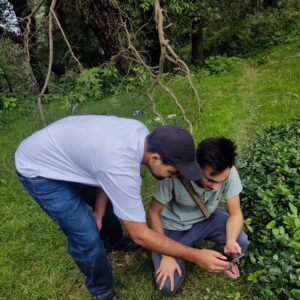
To design an effective solution, it’s crucial to understand the local context.
A Profile of the Himachali Farmer
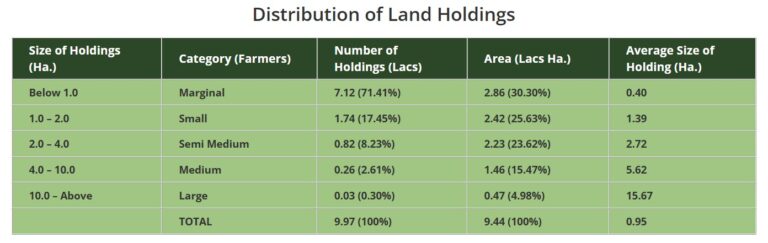
Agriculture in Himachal Pradesh is dominated by small and marginal farmers. Out of 9.97 lakh (997,000) farmer families, a staggering 88.86% fall into the small and marginal category. The average land holding size is just 0.95 hectares (about 2.35 acres). This means that any technological solution must be affordable and suited for small-scale operations to be successful.
Insights from the Field: A Farmer Survey
To understand the on-ground reality, we conducted a survey with 16 farmers. While this sample size was possible with the time and human resources available, it covered a wide range of conditions. The farmers represented different altitudes, from 800 m in Bilaspur to 3,000 m in Kinnaur. Majority of the farmers included small and marginal (less than 1ha landholding) with small number as some medium sized landholders. They cultivated a variety of crops such as apple, tomato, capsicum, cauliflower, and cereals, under both open-field and protected (polyhouse) conditions. While these details were not directly part of the survey questions, they reflect the diverse operating environments that any IoT solution for Himachal Pradesh must be able to support.
Challenges on the Ground
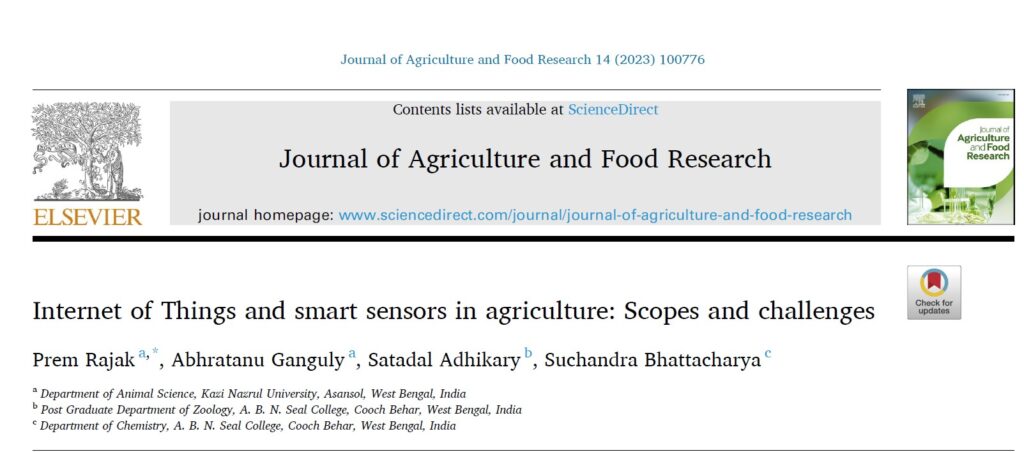
IoT solutions are still under development in India and across the world. There are still numerous challenges which are to be resolved before these technologies may stablises as a normal. Research has shown that there are still accuracy and stability issues of devices and sensors in the field. The deployment also has to be housed to account for extreme weather conditions which are exacerbated in certain geographies.
IoT deployment in Himachal Pradesh is still in the early stages. Pilot projects have been attempted in precision horticulture, greenhouse monitoring, and irrigation automation, primarily through research institutions and small startups. Challenges include limited digital literacy, lack of technical support in rural areas, unreliable GSM/VoLTE network coverage in remote regions, and sensor calibration issues under extreme temperature variations. Field trials indicate that high humidity, snow, and dust often degrade sensor performance, requiring ruggedized designs. Data integration with decision-support systems is rare, and most farmers still rely on manual observations.
Opportunities and a Supportive Ecosystem
Encouragingly, a strong ecosystem is emerging to support this technological shift. Various opportunities exist for funding and incubation, indicating a national push towards agri-tech innovation:
- Government Grants: The Technology Development Board (TDB) has put out calls for proposals focusing on sustainable agri-tech solutions, showing direct government support for innovation in this sector.
- Philanthropic Funding: Organizations like Give Grants have specific funds dedicated to supporting projects that use IoT for precision agriculture, opening doors for non-profit and research-based initiatives.
- Startup Incubation: Centers of Excellence, such as CoE-IoT, offer dedicated agritech programs that provide startups with the mentorship, resources, and environment needed to grow and scale their innovations.
This combination of government, private, and philanthropic support creates a fertile ground for developing and deploying the next generation of farming technology in India.
Why These Solutions Matter
IoT Solution for Field Monitoring
Farming is becoming more data-driven. The IoT solution aims to help farmers monitor critical field parameters such as soil moisture, temperature, and humidity in real time. With this data:
- Farmers can make informed irrigation and crop management decisions.
- Government agencies can analyze trends and generate timely advisories to prevent crop losses and promote efficient farming practices.
This means less guesswork, fewer losses, and better yields.
Producers View - Survey Results
What Farmers Told Us
1. Interest in IoT Tools
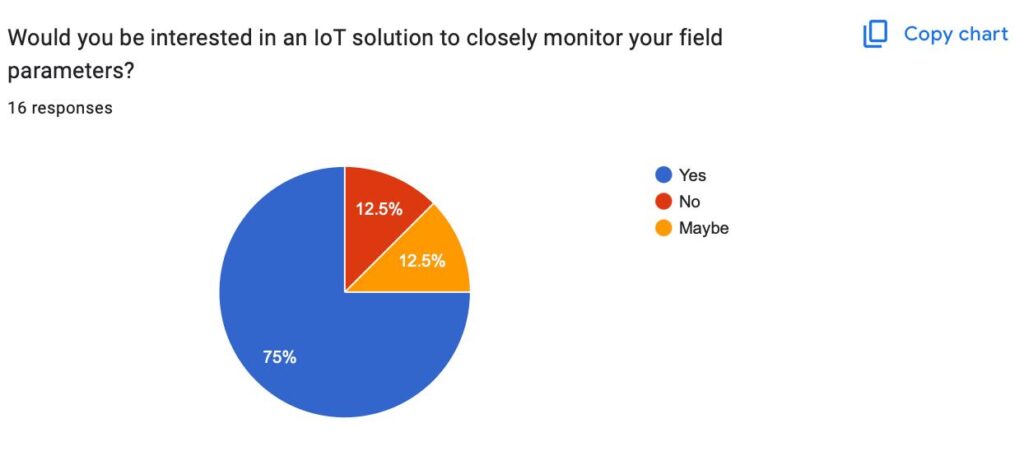
Most farmers (75%) said yes when asked if they would use an IoT device to monitor their fields. Only a few said maybe or no.
2. What Information Do Farmers Want?
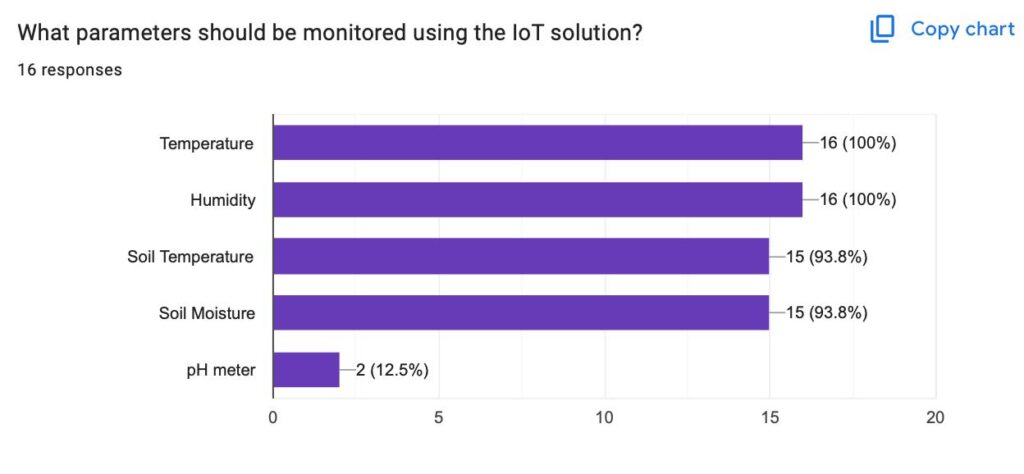
Farmers said the most useful information would be:
- Disease risk (100% said this was important)
- Pest problems (93.8%)
Lack of moisture and high heat (both 68.8%)
Power and Internet at Farms
A big challenge is electricity. Almost all farmers (93.8%) said they do not have a regular power supply at their farms. Most preferred solar power instead.
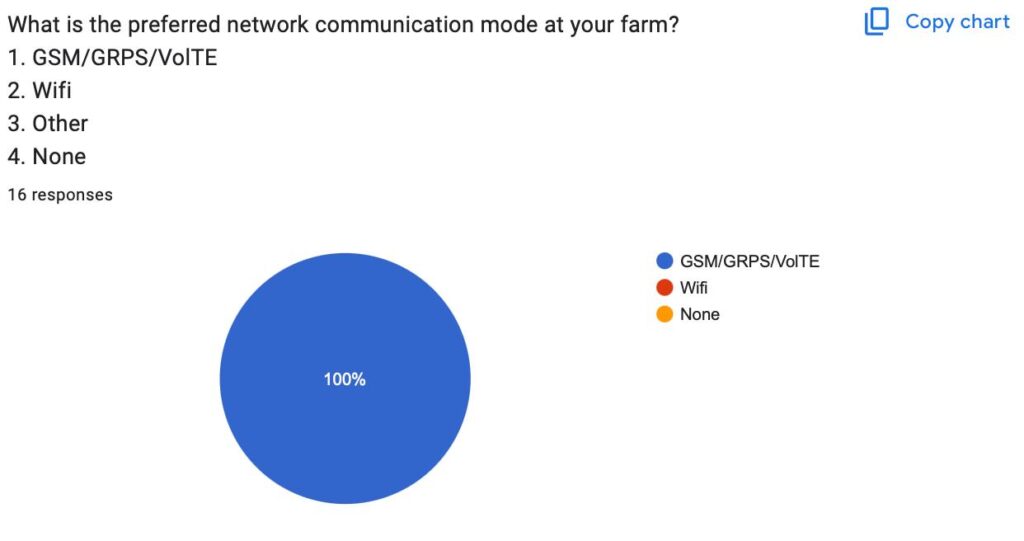
As for the internet, all farmers said GSM/GRPS/VoLTE is the best option at their location. None of them chose Wi-Fi.
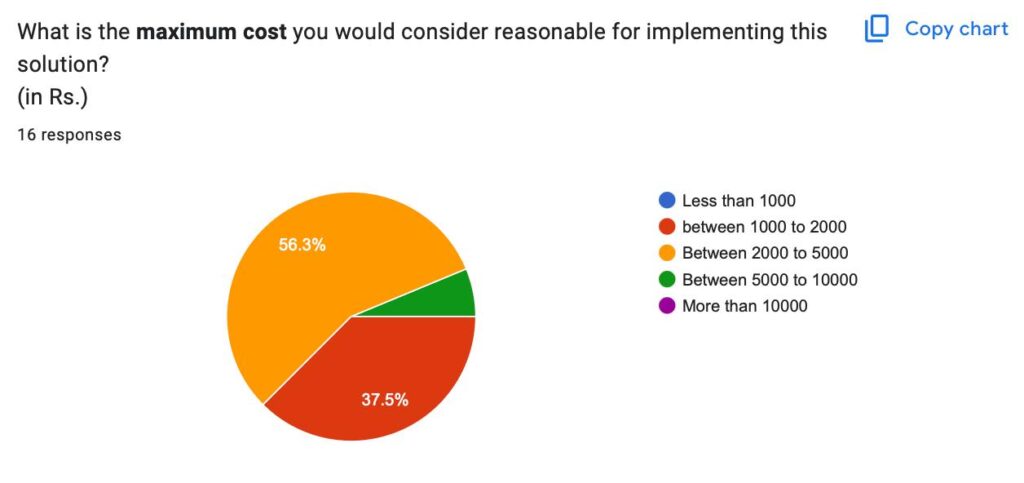
5. Cost Expectations
Affordability is paramount. The majority of farmers (56.3%) are willing to spend between ₹2,000 to ₹5,000 (approximately $24 to $60 USD) on an IoT solution. Another 37.5% would prefer the cost to be even lower, between ₹1,000 to ₹2,000 (approximately $12 to $24 USD).
Main Challenges in Himachal Pradesh
- Mountainous terrain makes it harder to set up and maintain IoT systems.
- Harsh weather, including cold, snow, and heavy rain, can reduce sensor life and accuracy.
- High upfront costs are a problem for small and marginal farmers.
- Power supply is unreliable; solar works but can fail during long cloudy or snowy periods.
- Mobile network coverage is weak in some remote areas, limiting real-time data transfer.
- Sensors can lose accuracy in extreme temperatures; combining their data with satellite and weather station information can improve reliability.
- Sustainability is also a concern. If devices are low-cost but have a short lifespan, replacing them creates plastic and electronic waste at the village level. Developing repairable and durable designs is essential to reduce this impact. This aspect on e-wastes also impacts Sustainable Development Goals (SDGs). Especially SDG 3,6,8,11,12 and 14.





Powered By EmbedPress
These issues are also as reported in other research as Barriers to adoption for IoT solutions by farmers. While policies and programs by the government are being developed for its implementation, even at present the cost and complexity of adoption and use continue to remain high for the smallholders. We hope that by developing localised solutions for the agroecological conditions of farmers in a landscape may address these suitably.
Building Tools That Work for Farmers
From Insights to Action: Building a New Solution
Our survey showed that farmers need affordable, solar-powered tools that use mobile networks. To learn more, we looked at other projects, including our own university project called SmartSprout.
Lessons from a University Project
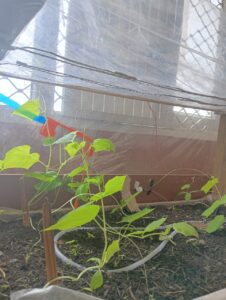
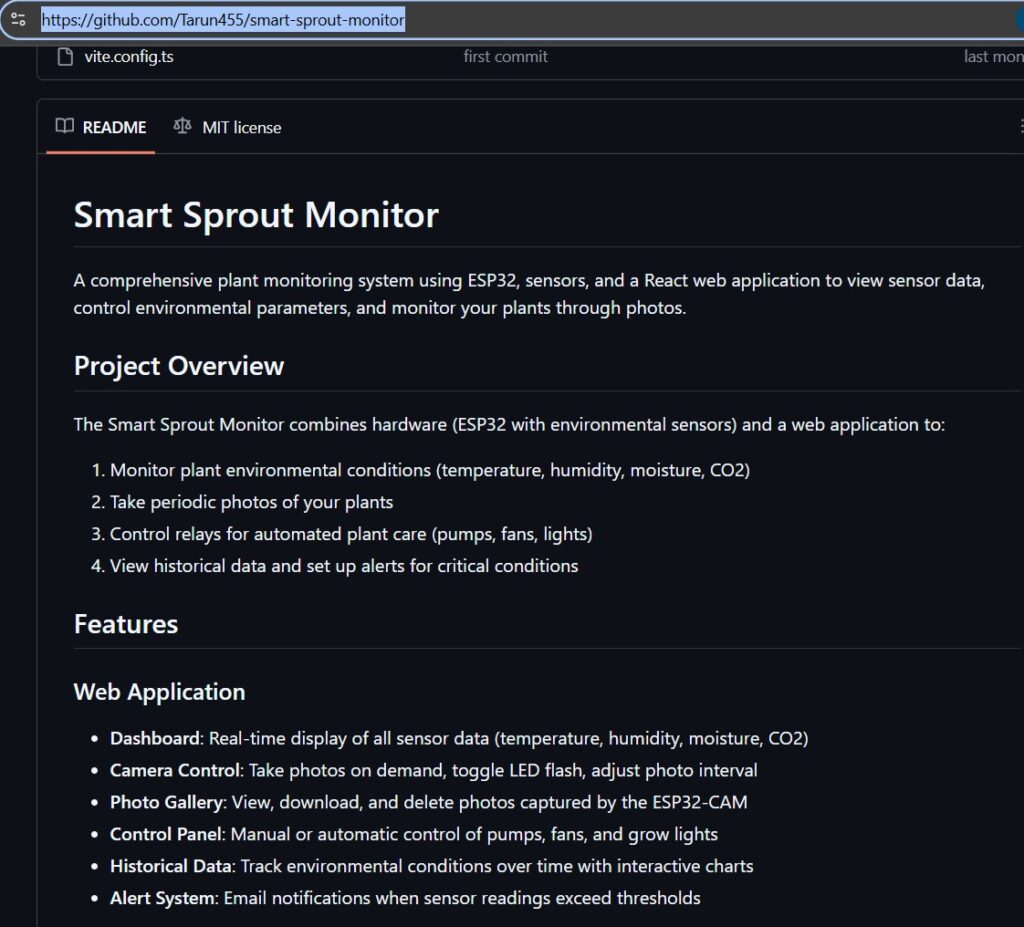
SmartSprout was a project to watch over a greenhouse using sensors for things like temperature and soil moisture. It even had a camera to take pictures. You can see the project here: SmartSprout on GitHub.
The system used an ESP32 microcontroller to gather data and an ESP32-CAM for photos. This information was sent to a web dashboard where a user could see real-time conditions and even turn on a water pump or fan remotely.

SmartSprout Setup
This project was a great learning experience. It proved that giving farmers live data from their fields is very useful, especially if their farm is far from home. It showed the potential for remote monitoring. However, it also highlighted the challenges. The prototype was built for a controlled greenhouse environment, not the harsh weather of an open field in Himachal. It needed a constant power source and was not weatherproof, teaching us that a real-world solution must be much tougher and more self-reliant.
What a Real Solution Needs
Based on our survey, a successful tool for farmers must have:
- Low Cost: It must cost between ₹2,000 and ₹5,000 ($24 to $60).
- Simplicity: It needs to be simple to set up (“plug-and-play”) and give clear advice, not just numbers.
- Solar Power: It must run on solar power with a good battery for cloudy or snowy days. A USB based – quick replace – battery bank may also be suitable which farmers may recharge at their households.
- Mobile Connection: It must use mobile networks (GSM/VoLTE), since Wi-Fi isn’t available.
- Tough Housing: It needs a strong, weatherproof case (IP67-rated) to protect it from rain, snow, and dust.
Why Should a Farmer Use This?
This kind of tool saves farmers time and money, especially if their farm is far away. They can check on their crops from home using their phone. The sensors can also spot problems early, before they can be seen, which helps prevent crop loss and increase yields.
Our Goal: A Tool for Natural Farming
Our main goal is to give farmers useful advice, not just data. We plan to build a test device (a Proof of Concept) that uses sensors to give Natural Farming advisory. For example, if the sensors detect a risk of insect-pests or diseases (based on ambient temprature, humidity and such indicators), the solution shall alert the farmer with a suggestion for a natural farming solution. The Systems Design should also take into account verified historical data of such incidence in a landscape. It should also be validated through a publically available database such as with an Public University or the Government recognised data source. This will ensure that biases of commerce are avoided for the farmers.
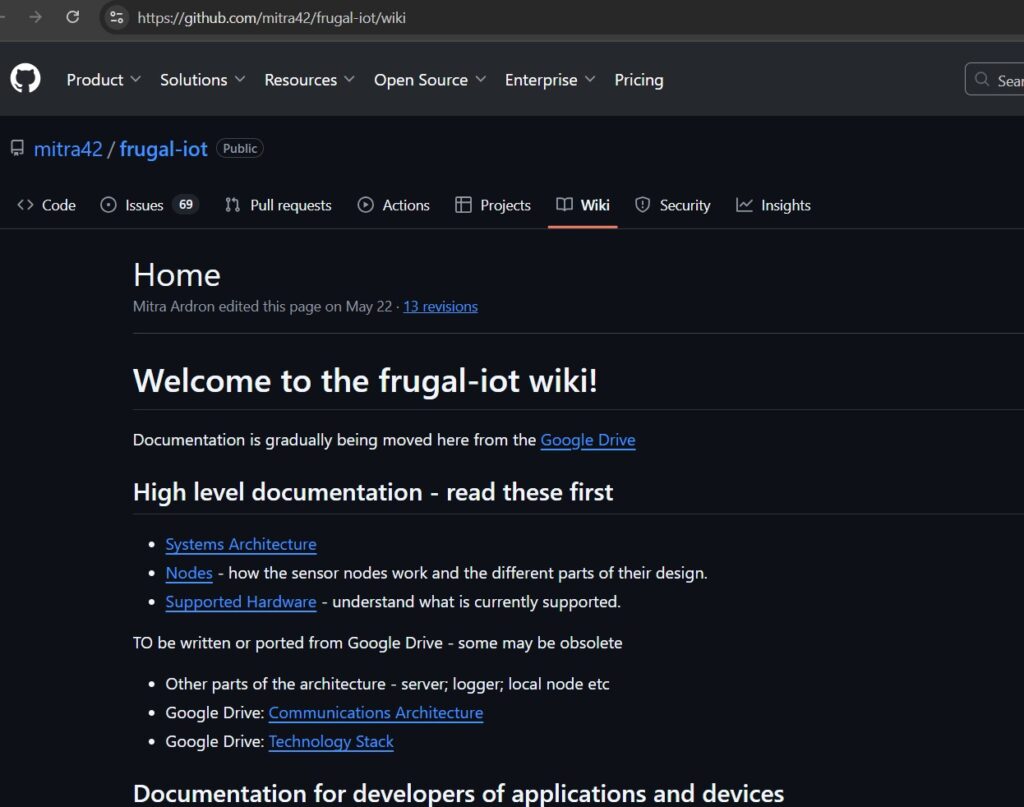
We are excited to work with Gram Disha Trust to test this idea. By mixing simple tech with local farming knowledge, we can help build a better future for farming. This work is also inspired by projects like the Frugal IoT Project Wiki, which focus on making technology available to everyone.
The first step
30th September, 2025
The process of creating a minimal PoC (Proof of Concept) for IoT solution has begun. The project has started with procurement of sensors from several different sites. The project will be mentored by Mitra Ardron (Developer of Frugal IoT).
Once sensors have arrived, it is believed that in less than two days the hardware would be set up. The only concern after that is to implement Frugal IoT in the PoC, which won’t be much of a problem under the mentorship of Mitra Ardron.
Final BoM - Updated Dec 2025
14th October, 2025
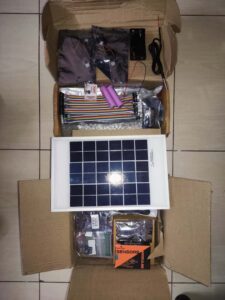
Significant progress has been made in the project this week. All required environmental and soil parameter sensors have now arrived, marking an important milestone in the hardware phase. The soldering, circuit integration, and initial sensor calibration are planned for the coming week.
On the software side, our current focus is on developing and testing the codebase. We are actively working on integrating the system with the Frugal IoT to enable seamless data acquisition, cloud connectivity, and visualization. Additionally, we are exploring the integration of a Small Language Model (SLM) – also mentored by Gram Disha Trust – within the system to generate localized advisories and context-aware insights for farmers directly from sensor data. The SLM model is being developed by Prikshit Verma a scholar at IIT Mandi.
This combined approach of IoT and on-device intelligence will help create a low-cost, scalable, and adaptive digital agroecology framework, aimed at improving decision-making and resource efficiency for smallholder farmers.
22nd October, 2025
This week, our focus has shifted towards the simulation and testing phase of the IoT Agroecology project. We are currently working on simulating system behavior and sensor data flow using the MATLAB R2025b free trial version to model sensor interactions, data preprocessing, and cloud communication.
In parallel, we are testing and troubleshooting integration with the Frugal IoT platform, ensuring smooth MQTT-based data exchange and reliable dashboard visualization. This phase is essential for validating the end-to-end data flow — from the field sensors to the cloud layer — before full-scale deployment and SLM (Small Language Model)–based advisory integration.
All ESP32 codes, along with simulation scripts, are being regularly updated on our public repository for open collaboration and transparency:
GitHub Repository
(5W, 5V)"] Battery["Battery
(3.7V 10000mAh)"] PowerAdapter["Power Adapter"] SolarPanel --> Battery PowerAdapter --> Battery end subgraph Edge["📟 Edge Device - ESP32"] direction TB ESP32["ESP32
Controller"] SHT40["SHT40
(Temp & Humidity)"] SoilTemp["Soil Temp
Sensor"] SoilMoisture["Soil Moisture
Sensor"] ESP32 --> SHT40 ESP32 --> SoilTemp ESP32 --> SoilMoisture endsubgraph Gateway["🔌 Power Management"] direction TB WakeUp["Wake Up"] ReadSensors["Read Sensors"] SendData["Send Data"] DeepSleep["Deep Sleep
(15-30 min)"] WakeUp --> ReadSensors ReadSensors --> SendData SendData --> DeepSleep DeepSleep -.-> WakeUp endsubgraph Connectivity["🌐 Network"] direction TB LoraMesh["LoRa Mesh
(Optional)"] WiFi["WiFi"] LoraMesh --> WiFi endsubgraph Cloud["☁️ Cloud Services"] direction TB MQTTBroker["MQTT
Broker"] DataLogger["Data
Logger"] Firebase["Firebase
DB"] CSVFiles["CSV
Files"] GoogleSheets["Google
Sheets"] HTTPServer["HTTP
Server"] MQTTBroker --> DataLogger DataLogger --> Firebase DataLogger --> CSVFiles DataLogger --> GoogleSheets CSVFiles --> HTTPServer endsubgraph AIAdvisory["🤖 AI Advisory"] direction TB ProactiveMonitor["Proactive
Monitor"] EnvAnalysis["Environmental
Analysis"] LLMModel["LLM/SLM
Model"] ReactiveAdvisor["Reactive
Advisor
(Farmer Queries)"] ProactiveMonitor --> EnvAnalysis EnvAnalysis --> LLMModel LLMModel --> ProactiveMonitor LLMModel --> ReactiveAdvisor endsubgraph UserInterface["👤 User Interface"] direction TB subgraph FrugalDashboard["Option B: Frugal IoT"] direction TB WebDashB["Frugal IoT
Web Dashboard"] DirectMQTT["MQTT
Feed"] DirectHTTP["HTTP/CSV
Access"] WebDashB --> DirectMQTT WebDashB --> DirectHTTP end subgraph GDTDashboard["Option A: GDT"] direction TB WebDashA["Web Dashboard
(Desktop/Mobile)"] RealTimeAlerts["Real-time
Alerts"] AIRecommendations["AI
Recommendations"] FarmerQueries["Farmer
Queries"] WebDashA --> RealTimeAlerts WebDashA --> AIRecommendations WebDashA --> FarmerQueries end end%% Main horizontal flow Battery -.Power.-> ESP32 ESP32 --> Gateway Gateway --> Connectivity %% Specific connections WiFi --> MQTTBroker Firebase --> ProactiveMonitor %% Option A connections Firebase --> GDTDashboard ReactiveAdvisor --> GDTDashboard %% Option B connections MQTTBroker -.Alternative.-> FrugalDashboard HTTPServer -.Alternative.-> FrugalDashboard ReactiveAdvisor -.Alternative.-> FrugalDashboard%% Styling classDef powerStyle fill:#fff9e6,stroke:#f4a300,stroke-width:3px,color:#000 classDef edgeStyle fill:#e6f3ff,stroke:#0066cc,stroke-width:3px,color:#000 classDef connectStyle fill:#f0e6ff,stroke:#8b5cf6,stroke-width:3px,color:#000 classDef cloudStyle fill:#e6ffe6,stroke:#00cc66,stroke-width:3px,color:#000 classDef aiStyle fill:#ffe6f0,stroke:#ff1493,stroke-width:3px,color:#000 classDef userStyle fill:#e6f9ff,stroke:#00a3cc,stroke-width:3px,color:#000 classDef gatewayStyle fill:#fff0e6,stroke:#ff6b35,stroke-width:3px,color:#000 class Power,SolarPanel,Battery,PowerAdapter powerStyle class Edge,ESP32,SHT40,SoilTemp,SoilMoisture edgeStyle class Connectivity,WiFi,LoraMesh connectStyle class Cloud,MQTTBroker,DataLogger,Firebase,HTTPServer,CSVFiles,GoogleSheets cloudStyle class AIAdvisory,ProactiveMonitor,EnvAnalysis,LLMModel,ReactiveAdvisor aiStyle class UserInterface,GDTDashboard,FrugalDashboard,WebDashA,WebDashB,RealTimeAlerts,AIRecommendations,FarmerQueries,DirectMQTT,DirectHTTP userStyle class Gateway,WakeUp,ReadSensors,SendData,DeepSleep gatewayStyle
28th October, 2025
With integration of frugal IoT is nearly at completion, we have started working on hardware integration. Connecting sensors with ESP32 and checking for variance in readings. Before the connections are soldered together, a final check on accuracy and correctness of the sensor readings is being done.
Further, plans on field testing are still to be discussed for the coming month of November. With end of October some major milestones have been reached. Procurement of hardware and integration with frugal IoT were successful.
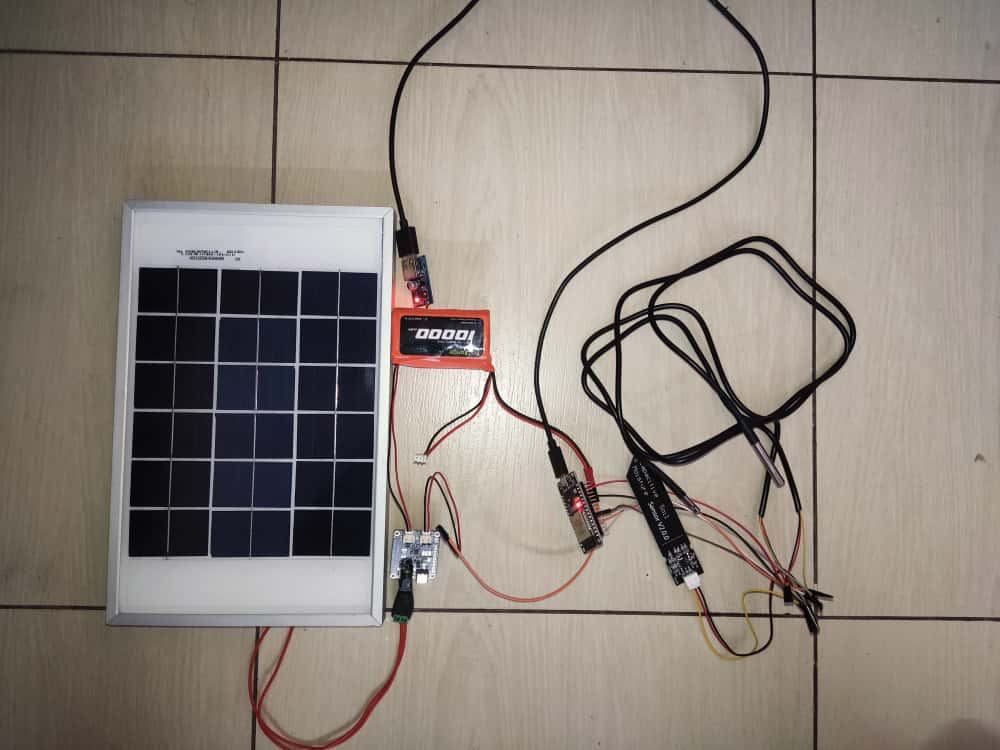
4th November, 2025
The month of November begins with a clear shift from testing and hardware modeling toward on-ground field validation. Building on the structured progress documented throughout October, the team is now planning for initial field testing at Dr. Y.S. Parmar University of Horticulture and Forestry (Nauni), Solan, Himachal Pradesh.
This phase marks an important milestone as now we move from controlled testing environments into real farm-level conditions, allowing us to evaluate sensor behavior, ESP32 stability, power systems and data flow across actual agro-ecological settings.
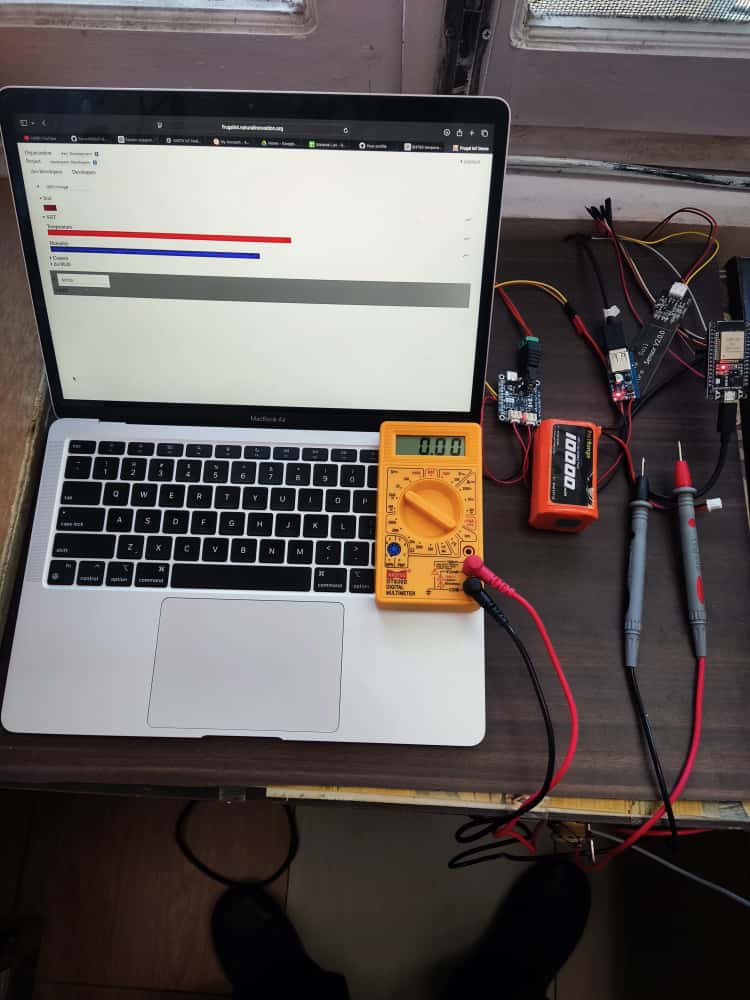
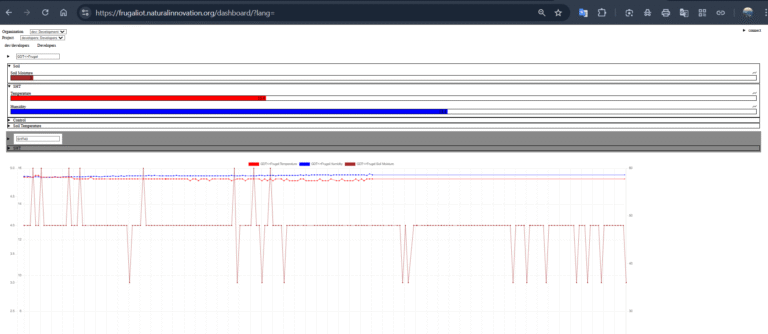
The board components are tested and we can also see the sensor outputs on the FrugalIoT Dashboard linked with the MQTT broker.
Finalizing the Project Name: VARTA
This week, the team concluded the naming process for the project through a structured process. The basic requirements for naming were established by Gram Disha Trust as –
- Preferably in vernacular to allow farmers in Himachal to connect with e.g. when we named the CETARA system – we chose a name which farmers could connect with – sounding like SITARA (as in the star rating system).
- Abbreviations are also useful e.g. SHIKHAR stack – ideally it should rhyme be poetic or relevant in the Indian context.
- It should be representable in Latinised alphabet and not just in the Devnagri script. This is important since Devnagri is not understood everywhere in India – whereas our solution should be acceptable for smallholder all across India ( and global south).
- It should contextually reflect what the solution intends to do
Few options were recommended by the team of which 3 options were evaluated, and two emerged with equal support.
As the project includes not just the IoT module but also the SLM-AI component, it was concluded that the name VARTA is suitable as it refers to a ‘Dialogue’ with farmers. The name VARTA/वार्ता in Sanskrit also has suitable connocations.
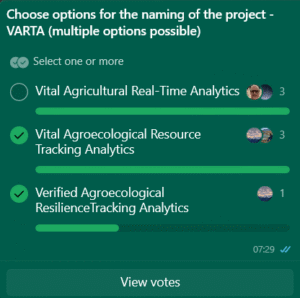
A brief internal discussion helped narrow the choice using two guiding questions –
• Should the name represent Agriculture or Agroecology, given the project’s core mission?
• Should the system emphasize Real-Time data or Resource Tracking, considering farmers’ needs and the advisory nature of the AI?
The team agreed that the system is firmly rooted in Agroecology, and that farmers benefit most from contextual, resource-based insights rather than continuous real-time feeds. Based on this reasoning, the project name has been finalized as:
Vital Agroecological Resource Tracking Analytics (VARTA)
VARTA (phonetically Vārtā – वार्ता) – This title reflects both the scientific intent of the platform and the “dialogue” it aims to build with farmers.
Since the solution is envisioned as a dialogue between the smallholder producers and their farm – enabled/assisted by Technology – it is quite an appropriate name. On Deeper enquiry to the root of the word ‘Vārtā’ through the lens of Grammar treatise Aṣṭādhyāyī by Panini – the word also means livelihood. In fact – relatably per Arthaśāstra by Kautilya the word also related to 3 core professions
- Kṛṣi (कृषि) – Agriculture
- Paśupālya (पशुपाल्य) – Cattle-rearing/Animal husbandry
- Vāṇijya (वाणिज्य) – Trade/Commerce
So in all this is quite inline with precepts of Agroecology too!
11th November, 2025
This week has been productive and forward-moving for the VARTA project, with progress on both technical and strategic fronts.
Following an internal poll and discussion, we officially finalized the project name as “Vital Agroecological Resource Tracking Analytics (VARTA)”. The name aligns strongly with our mission — supporting transformation toward agroecological practices through intelligent, meaningful data insights rather than pure real-time overload.
On the technical side, we successfully completed field testing simulations, data accuracy checks, and environmental conditions. For the Simulations MATLAB/Simulink is used. These simulation results have now been uploaded to our GitHub repository.
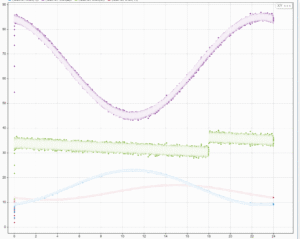
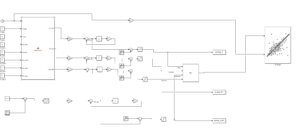
Above simulation graph shows Humidity percentage (Purple), Soil Moisture (Volumetric water content percentage, green), Temperature (Blue) and Soil temperature (Red) plotted against time. These are plotted for the geography of Solan in Himachal Pradesh. The Simulations are being fine tuned and once done, will be used to test the live field results to see variance in the sensors and for accuracy.
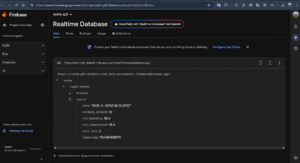
A key milestone this week was the improvement of our frugal-iot-logger. Previously, the logger was only compatible with Google Sheets, but we have now extended support to Firebase as well. This significantly enhances data flow flexibility and allows us to scale toward real-time dashboards, mobile apps, and AI-based advisories in the next phase
18th November, 2025
Every week sees gradual progress in making VARTA a reality. Hurdles are faced and leapt through. All testing challenges are being documented at GitHub and currently we are proceeding with the available hardware until better options are sourced.
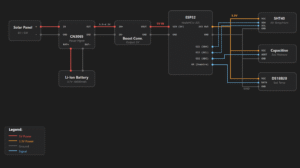
It is now possible to read directly off the board through the Inbuilt WiFi. FrugalIoT has a basic WiFi Hotspot for easy configuration. Using this interface – upon Wifi Connect – it is possible to also see basic sensor readings without having to connect to the internet.
Issues being resolved
Battery Drain Issue
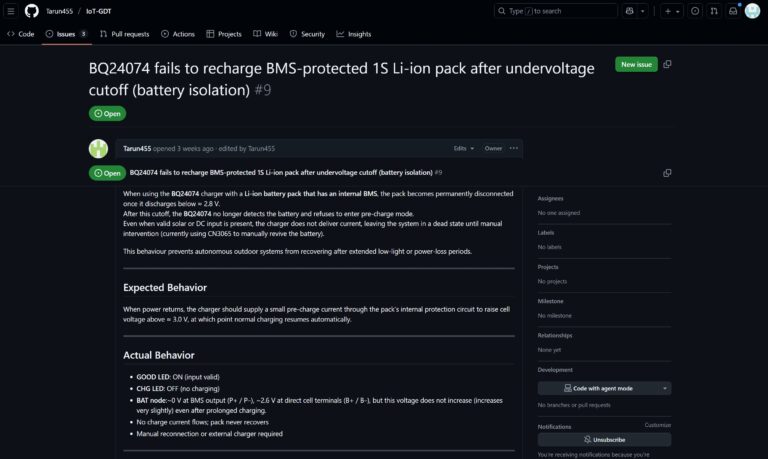
The “BQ24074 fails to recharge BMS-protected 1S Li-ion pack after undervoltage cutoff” issue reports that when a battery pack with an internal BMS discharges below ~2.8 V, the charger BQ24074 stops charging — even when external power returns — because it no longer detects the battery and refuses to enter pre-charge mode. As a result, outdoor or autonomous IoT nodes remain permanently off unless manually revived, which defeats reliability for remote deployments. To mitigate this, different boards were tested and CN3065 was chosen because it was less expensive than BQ24074 and much more reliable. To know more everything is documented in #Issue 9.
Deep Sleep
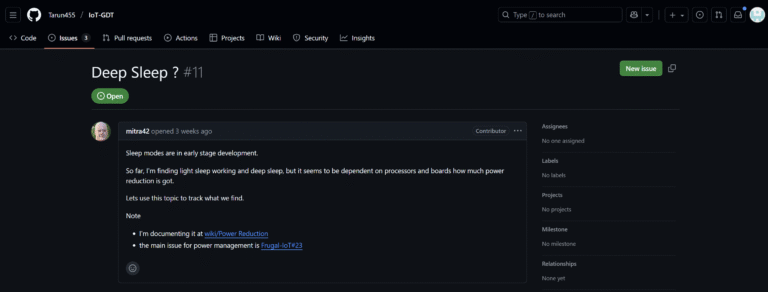
The team opened Issue#11 to investigate the deep-sleep capabilities of different IoT boards and evaluate how effectively the devices can reduce power consumption during idle periods. Initial tests confirm that light-sleep works reliably, while deep-sleep behavior varies across hardware, requiring more detailed measurement and comparison. This issue will now serve as a central place to document results, track power-saving performance, and guide future decisions on optimizing battery life for field deployments
Sensor- Battery Issue
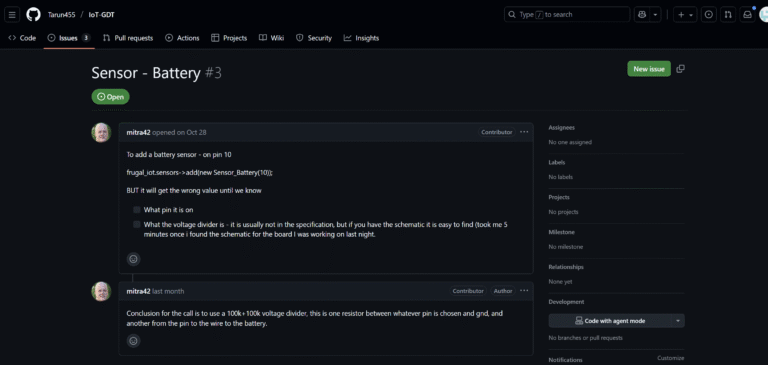
The “Sensor – Battery” issue was raised to add support for a battery-voltage sensor, but the contributor flagged that the voltage readings will be inaccurate until the correct pin mapping and voltage-divider configuration are known.This issue now serves as a reminder that before using the battery sensor, hardware details — pin number and proper voltage divider values — must be determined (likely from the board schematic) to ensure valid battery-level readings.
The project recently resolved these issues
Support for multiple DS18B20 temperature sensors, the SHT40 giving incorrect high-temperature readings, and a soil-temperature sensor integration issue. With these resolved, VARTA-IoT now supports multiple DS18B20 sensors reliably, corrects the SHT40 temperature error, and enables soil-temperature sensing — collectively expanding the range and accuracy of supported environmental sensors and improving the robustness of the system.
App Integration
Also, app integration of VARTA IoT has begun. A meeting with MantraLabs was held to discuss the future of integration with the HimSHIKHAR app. The possible methods include MQTT API (Flutter) or Firebase or Socket-based connectivity.
Field Visit
Further, a visit to Nauni University has been planned prior to the field testing of actual IoT devices. This visit plans to gather knowledge of some constraints such as Wi-Fi range, solar radiation and cloud cover over testing area.
As for MATLAB simulations, the current version only plots data and does not provide any predictions. To improve the same, we have decided to add realistic sensor maxima minima and secondary climate data. Also including sleep cycles in the simulation itself and moving toward a configurable, geolocation-based simulation framework has been planned and being worked on.
25th November, 2025
The team made steady progress this week, confirming successful three-day board testing and emphasizing the need for a current-measurement tool to accurately estimate battery life (which is ordered by the way). Gupta-jee recommended for enclosure finalization and immediate progress on Firebase integration, while also stressing thorough documentation of all testing variations and hardware behaviour.
The team aligned on completing closed-loop testing by the end of the week to prepare for the December 8th demonstration, also clarifying that all Varta devices will operate under a unified Firebase/MQTT organization, influencing dashboard integration and UI design.
This resulted in a quick integration Proof of Concept with the HimSHIKHAR Mobile App as part of an internal release.
With this as a first the VARTA-AI module is also accessible directly from the MobileApp with a basic Bot trained and available to answer queries related to Natural Farming.
Field Visit
On 25th November, the team conducted a field visit to Nauni University to assess Wi-Fi coverage for upcoming IoT testing. During the visit, we found that the natural farming fields at Khaltu had no usable Wi-Fi signal, making them unsuitable for immediate deployment. Based on this, we plan to either shift initial testing closer to the main campus—where connectivity is available—or explore ways to provide dedicated internet access at the Khaltu fields to enable full field-level deployment in the future. Alternately, the idea is to use a hotspot at the field site and connect over the Internet on Firebase for the demonstration.
2nd December 2025
This week we made important progress on preparing the hardware for the upcoming PoC. The new weather-resistant enclosure has arrived, and initial fitting looks promising. We are now focusing on cable routing and sealed gland options to ensure long-term protection in harsh weather of Himachal Pradesh’s outdoor conditions. The primary testing is being done in Shimla and the field testing is planned next week for the Natural Farming Plot at Dr YS Parmar University of Horticulture and Forestry (UHF).

On the power side, long-duration charging tests have started and deep-sleep execution is being refined to extend battery life. We also discussed sourcing a current-measurement tool to accurately estimate power consumption under real sensor loads. Overall, the system is steadily moving from prototype stage towards field-readiness, with stronger emphasis on enclosure, power reliability, and backend visibility.
These aspects are important as they are a reflection of the feedback we got from the Survey with the farmers as indicated earlier in the blog.
9th December 2025
This week our team focused on consolidating system readiness ahead of demonstrations and field deployment. The primary device was fully assembled with soldering and casing completed, while plans were made to test the new charging board before further rollout. Emphasis was placed on validating the system using real-world sensor data, which will be compared against MATLAB simulation outputs to ensure consistency. The team also discussed enclosure sealing methods and the need for a backup board to avoid delays during live demonstrations.
Key technical observations included spike readings from the DS18B20 temperature sensor and inconsistencies in voltage divider measurements. To address these, firmware-level filtering and multimeter-based cross-verification were recommended. The importance of deploying the correct firmware version, especially during OTA updates, was highlighted to prevent unintended issues in the field.
After assembling the board, it was left outside to charge completely using its solar panel. The testing was successfuly done and the data was displayed in the respective online loggers.
Final Field Demonstrations at University
On 15th December, a live demonstration of the VARTA system was conducted at Dr. Y.S. Parmar University of Horticulture and Forestry, at the Directorate of Extension Education (DEE). For the demonstration, the sensors were deployed in potted plants, allowing controlled observation of sensor behavior. The system performed as expected, and all sensors reported sane and consistent values, validating the reliability of the hardware, firmware, and data pipeline under demonstration conditions.


Following the university demonstration, the team carried out field testing at the Khaltu Natural Farming field. During the initial deployment, issues were observed in data transfer from the VARTA device, particularly related to communication stability. These issues were debugged and resolved on-site through configuration checks and iterative testing.
After resolving the data transfer problems, the device successfully transmitted data, and the sensors again produced sane field readings, confirming system robustness under real farming conditions. After getting sane readings from the field test, VARTA was placed in three different locations with different soil conditions(“soil_soil” is the soil moisture);
Location 1
This spot was a relatively dry patch and harder than other patches. It had not been irrigated for last 24 hours. Soil moisture level shown by VARTA justified the same.


Location 2
This spot of field was recently irrigated and soil felt cold when touched, as if it had been irrigated few hours ago.


Location 3
Location 3 was also recently irrigated and also looked moist even to the naked eye.


Simulation
During field testing at the Khaltu natural farming fields, the sensor outputs showed strong qualitative agreement with the simulation graphs generated earlier. The observed ranges remained within the simulated bounds. Minor deviations were attributed to real-world factors such as connectivity interruptions and local microclimate effects, but overall, the results reinforced the validity of the simulation model as a reliable reference for field behavior.
Meeting with Hon’ble Vice Chancellor
On the final day of our visit to Nauni University, we were fortunate to meet the Hon’ble Vice Chancellor and present a brief live demonstration of the VARTA system inside his office using potted plants. The sensors produced stable and sane readings during the demonstration, and the Vice Chancellor expressed strong appreciation for both the project concept and its practical relevance. This interaction marked a positive conclusion to our two-day visit to Nauni University, reinforcing confidence in the project’s direction and impact.


Overall, this week strengthened confidence in the system’s readiness for real-world deployment, while also highlighting key learnings related to connectivity and field-level troubleshooting that will inform future iterations.
The Final Repository of the VARTA-IoT Field tested is now available in public domain on GitHUB. The Repo is now usable by anyone who wishes to use the framework with Frugal-IoT to develop their own version of IoT device for Agroecological Production.


16 December 2025
This week marked a final culmination to this Phase of VARTA development. The demonstartion was held at the Secretariat of Himachal Pradesh with the Hon’ble Secretary of Agriculture. The team from Dr YS Parmar Univerisity of Horticulture and Forestry (UHF) led this meeting where our team held the demonstraton of the Proof of Concept (PoC) of VARTA-IoT and VARTA-AI integrated with the HimSHIKHAR mobile app.
The demonstration showcased the capacbility of VARTA PoC as a low cost, viable and localised context for smallholders in Himachal Pradesh, with the AI component being pre-trained and fine-tuned for Agroecological production. The PoC was much appreaciated by the officials as an innovation suitable for developing towards the Pilot Stage. Following the discussions UHF was invited to submit a proposal for a Multilocation Pilot at the University (KVK and Research centers).
This week, the team continued refining the VARTA-IoT hardware and system reliability based on learnings from recent field testing. An alternate board design is currently being developed by Tarun to address observed limitations in the existing setup and to improve overall robustness. In parallel, detailed reporting and analysis were carried out on power-related issues linked to the CN3791 and CN3065 charging ICs, along with potential mitigation approaches to stabilize charging and load behavior under field conditions. The DS18B20 and SHT sensor graphs are shown here. Humidity and temperature data exhibit smooth diurnal patterns consistent with environmental conditions. Soil moisture data clearly captures a wetting event followed by gradual decay, confirming reliable sensor response and data sanity for simulation and field comparison


With this our team hopes that the efforts of the past months may result in a viable Pilot progression suitable for Smallholders in Himachal Pradesh. The next steps is to acquire the resources to move from the PoC to the Pilot Phase with multi-location trials. We hope that the proposals may find acceptability within the formal system to evolve the project further.
This marks completion of the Phase 1 Proof of Concept (PoC) of the Vital Agroecological Resource Tracking Analytics – Internet of Things ( VARTA-IoT ). The primary contributers to the project thus far are –
Mitra Ardron
Founder of Frugal-IoT which is the primary Library for IoT integration. VARTA-IoT is the first Third-party Instance implementation of Frugal-IoT. Mitra’s contribution has been key to determining the suitable components, troubleshooting hardware issues, Embedded Software integration and cost effective design of the IoT.
Tarun Kumar
Tarun is the primary hardware engineer responsible for board design, setup, documentation and field testing. It is due to the efforts of Tarun that the VARTA-IoT hardware solution is successful to date. From component purchase, board assembly, board bringup, Embedded Software Development and troubleshooting, Tarun’s effort is indispensible.
Abhay Thakur
Abhay’s efforts have been directed towards documentation of the efforts of the team. Additionally, the simulation in MATLAB for VARTA-IoT output has also been due to his efforts. Abhay has teamed up well with Tarun to support the efforts for field testing of the board and the handover process for this phase of the project for Gram Disha Trust.
Yash Mangonnavar of SwayAlgo Technologies has volunteered as supporting effort for troubleshooting and technology alternatives. Options such as Progressive Web App (PWA) development for the solution deployment, Integration with Firebase, solutions to challenges related to power management of the board were the primary contributions.
Ashish Gupta-jee of Gram Disha Trust is the primary driver for this solutions architecture. The high level design ideation, integration with an AI component, Simulation of the IoT solution, program design, Grant Management, Field level inputs and subject matter expertise are due to his efforts. The final GitHUB repo management of Gram Disha Trust is also with him.
Co-Authored by Abhay Thakur and Tarun Kumar – Inventors of Smartsprout IoT mentored by Mitra Aradron (Developer of Frugal IoT).
Edited by Gupta-jee