

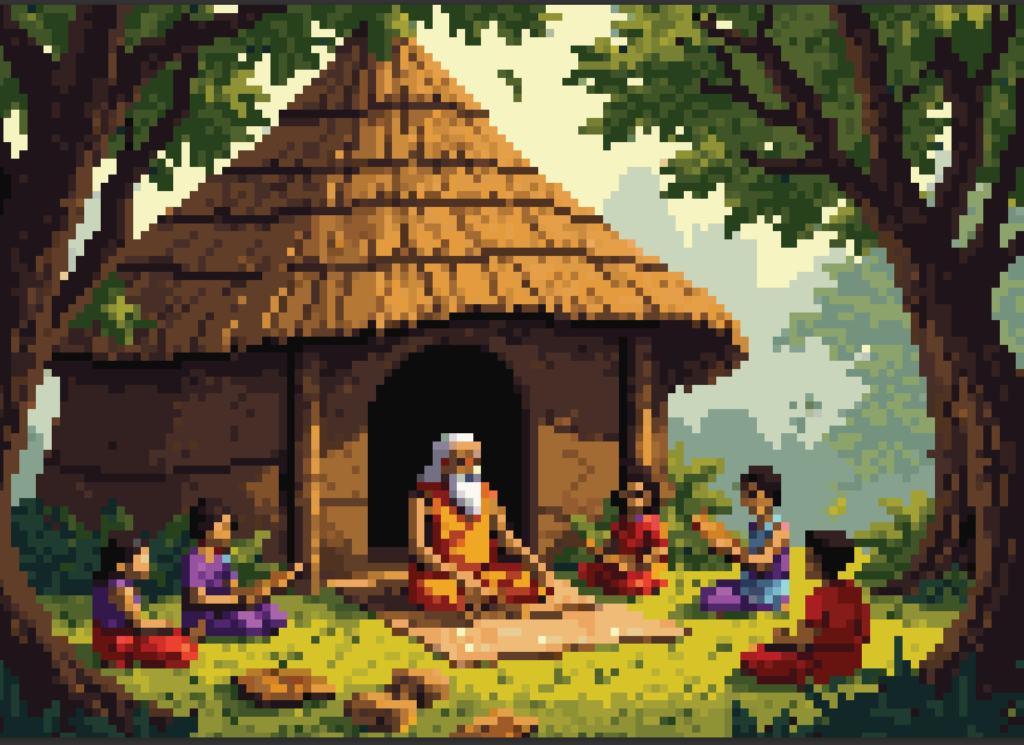
Across the Indian subcontinent, eons of knowledge is transmitted through daily practice, not lectures or any other kind of formal instruction.
This knowledge encompasses ecology, agriculture, medicine, architecture, astronomy etc. .
This treasure trove remains embedded within communities, yet absent from several modern education systems. Indigenous Knowledge Systems (IKS) are frequently treated as cultural heritage or folklore rather than as structured bodies of knowledge.
At a time when societies face a number of crises, this gap represents a missed opportunity. One approach is to rethink how this knowledge is presented, using interactive digital experiences to make traditional knowledge not only accessible, but also appealing to younger generations.
Indigenous Knowledge Systems are cumulative bodies of knowledge developed through long-term interaction between communities and their environments.
They are bodies of Knowledge safeguarded, and transmitted by elders, Knowledge which forms a civilisational identity.
Indigenous Knowledge is what we imagine when we think of India’s civilisational past.
It is a Pan-Subcontinental collection of scientific beliefs, practices and processes, rooted in scientific discoveries made in India, by Indians.
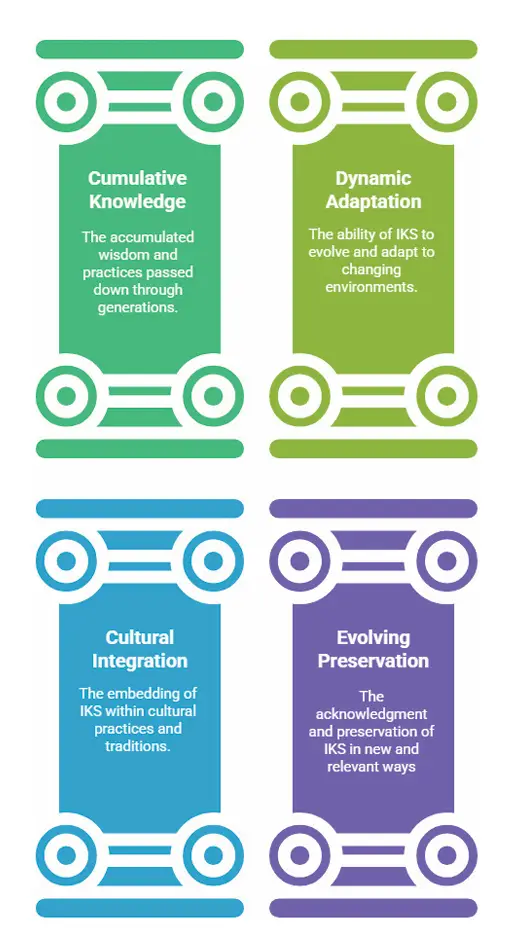
These systems have evolved through observation, experimentation, and adaptation across generations. Unlike knowledge transmitted primarily through textbooks, IKS is embedded in practice. It is learned through observation, apprenticeship, and participation in community life. Because of this, it is inherently experiential.
This experiential nature, also perhaps explains why traditional methods of presenting knowledge fall short when it comes to presenting Indigenous Knowledge. Museums and archives typically display artefacts behind glass with explanatory labels, but these displays rarely communicate the processes and lived contexts in which the knowledge emerged. Similarly, digital archives often present collections as static images or texts.
When knowledge that is fundamentally practical and dynamic is reduced to static representation, much of its meaning and relevance is lost. Research in educational psychology reinforces this observation: learners retain information more effectively when they actively engage with it rather than passively observe it.
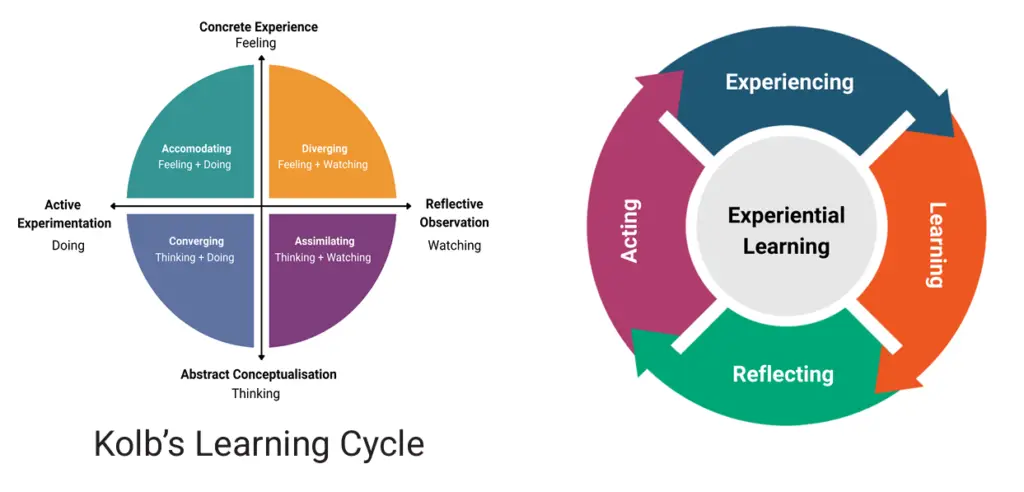
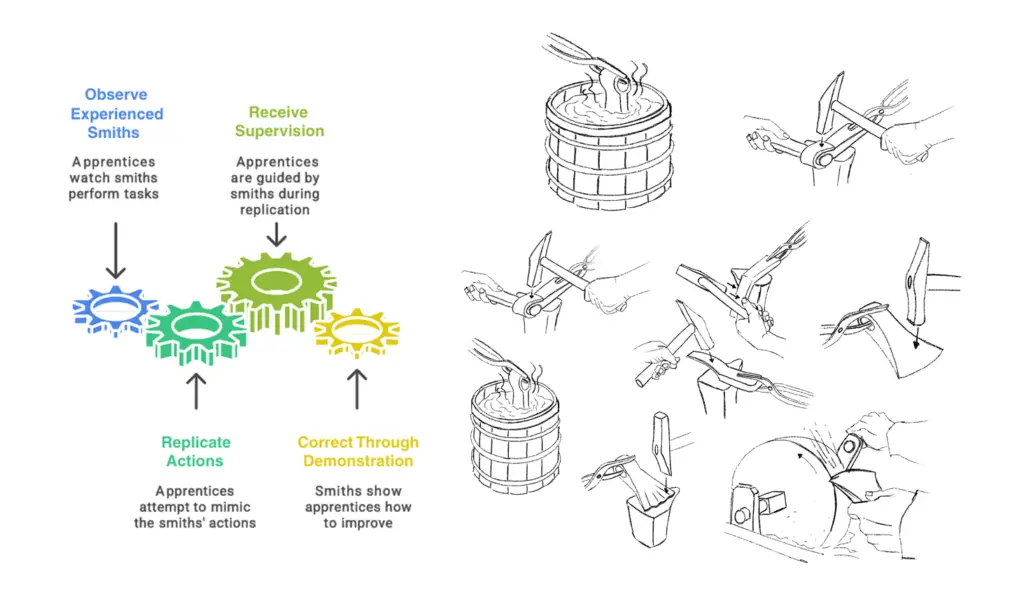
This is further reinforced by the discoveries and learnings made at Gram Disha during the Lauhaar Shastra Project. Gram Disha interns, myself included, not only observed master blacksmiths at work in the Himalayas, they also acted as apprentices. This led to a much deeper understanding of how traditional crafts and practices are learnt.
Ekatva - Journey into the Once-Known
This thought process led to the conception of a design project, christened Ekatva: An Interactive Virtual Science Gallery Concept.
This project aims to explore how digital interactivity can address the challenges faced by designers and educators who wish to raise awareness about traditional forms of knowledge. Instead of simply displaying information or facts through static panels, or even 3D walkthroughs, the audience can be made into an active participant. The project proposes, and prototypes an interactive virtual environment structured as a 3D game.
In this environment, players explore themed galleries that represent different domains of Indigenous knowledge such as traditional agriculture, water systems, crafts, architecture, and astronomy. Each gallery contains multiple interactive exhibits that present knowledge through images, simulations, short videos, and puzzles.
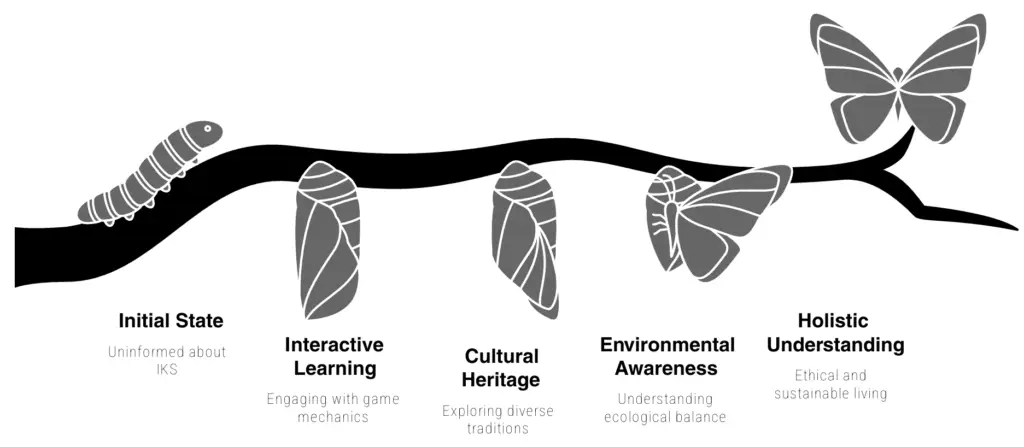
The player’s goal is not simply to observe these exhibits but to interact with them. As players explore the gallery, they gather clues and insights from each exhibit. At the end of the gallery, they encounter a “Knowledge Boss,” a character who challenges them with a set of questions based on what they have learned. Only by applying the knowledge discovered within the exhibits can the player progress further in the game.
This structure transforms the visitor from a passive observer into an active learner.
The reason this project is structured as a game, is to mirror how Indigenous Knowledge is transmitted in reality. Just as apprentices learn crafts by observing and practicing alongside masters, players in the game learn by exploring, experimenting, and solving problems.
The game format also helps address another challenge in knowledge communication: attention. Interactive environments encourage curiosity and exploration, allowing learners to engage with complex ideas in a more meaningful way than static displays or text-heavy resources.
User testing for Ekatva was also conducted to evaluate whether the interactive gallery format could effectively communicate Indigenous Knowledge Systems while maintaining player engagement. Participants were asked to explore sections of the prototype game and interact with the exhibits, which included images, simulations, videos, and puzzles designed to convey different aspects of traditional knowledge.
Observations and feedback focused on usability, clarity of information, and engagement with the gameplay loop. Most users reported that the interactive format made the learning experience more immersive than traditional museum or text-based formats.
The combination of exploration, clue collection, and quiz-based “Knowledge Boss” challenges encouraged players to actively process information rather than passively consume it. Some participants suggested improvements related to clearer instructions, smoother navigation, and more contextual storytelling within exhibits.
Overall, the testing indicated that gamified exploration can significantly improve engagement and knowledge retention when presenting complex cultural and scientific concepts, supporting the project’s core idea that Indigenous knowledge is best communicated through experiential and interactive learning environments.
By combining Indigenous knowledge with interactive storytelling and game design, Ekatva aims to demonstrate a new way of teaching traditional knowledge in contemporary contexts.
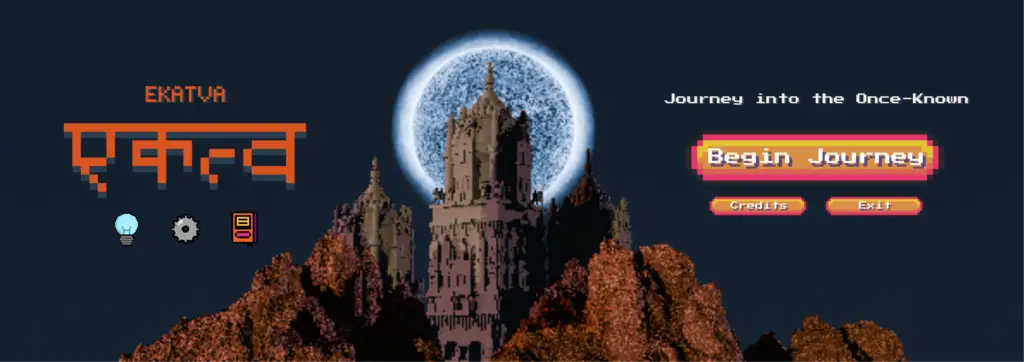
More details about Ekatva can be found on the following link.