
Where it began
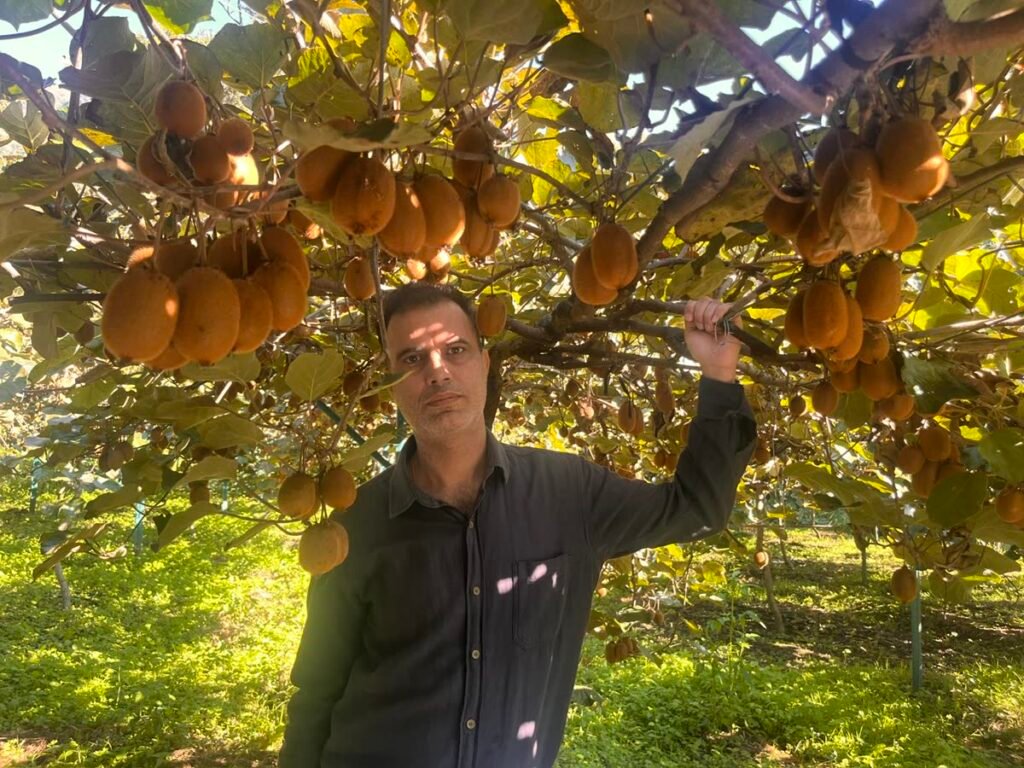
Farming has been in my family for generations. My father had a government job, so it was never our only income, but my grandfathers and their fathers before them were farmers. Many of you will have the same roots. India was once called a krishi pradhan desh, and most of our families were connected to the land not so long ago.
I still remember traditional farming from my childhood. I loved sitting on the wooden leveller while the bullocks pulled it across the field. At sowing time for wheat, maize and pulses, birds would wait for the seeds and we children would chase them away.
Most of the work was done by hand. We spread manure from our own animals, watered the fields through the kuhl channels, and pulled weeds by hand. Those are some of my happiest memories.
How things have changed
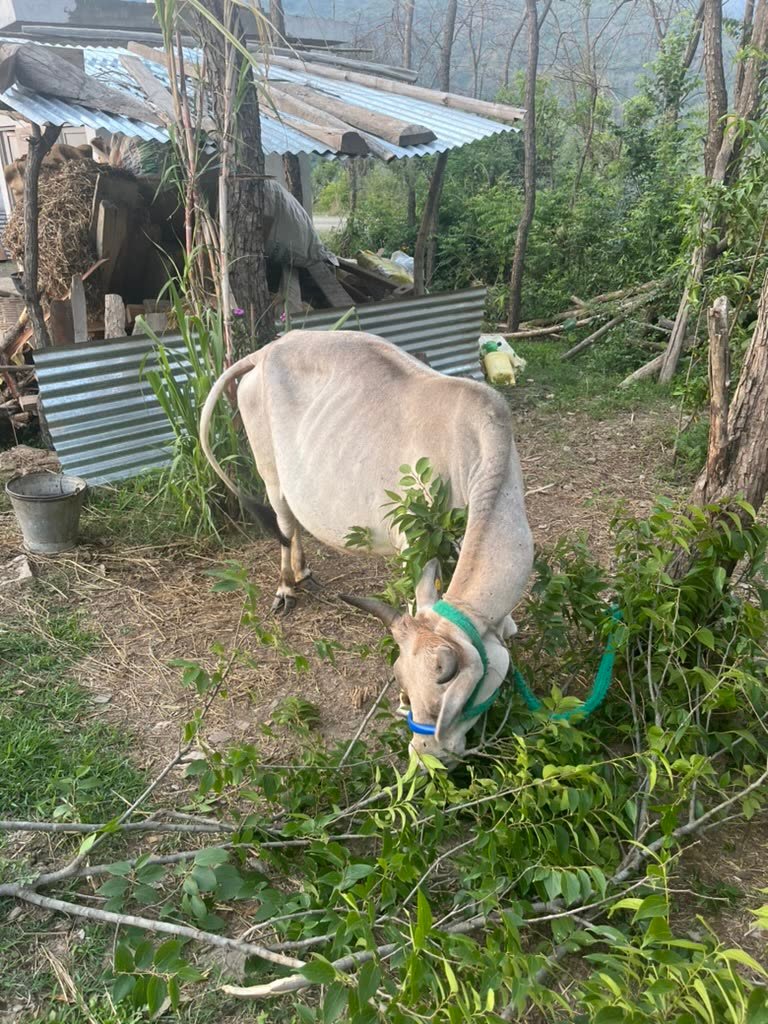
Today there are no bullocks left in my village in Solan, and only a few in the villages nearby. Cows are also becoming fewer.
Grazing land has almost disappeared, and much of the grass and fodder is affected by pesticides and pollution. Many cows now spend nearly their whole lives in sheds, and they fall ill more often.
Choosing to come home
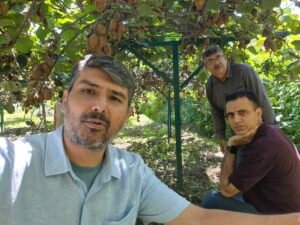
I completed my master’s at Panjab University and then went to Germany on a full scholarship for further studies. When I returned, I had the option of well-paying jobs. I chose instead to come back to my hometown, Solan, start a small business, and take up natural farming.
How I found natural farming
I first learned about natural farming at the orchard of a fellow farmers – Mr. Mandeep.
One thing he said stayed with me:
“Natural farming is one step ahead of organic farming.”
Organic farming avoids chemicals but often still relies on inputs bought from the market. Natural farming uses what the desi cow and the farm itself provide. It made immediate sense to me, and I booked a few kiwi saplings from him that same day.
What we feed our soil
We do not use any chemical fertiliser or pesticide. Almost everything our farm needs is made right here, from the desi cow and from our own kitchen.
Have a look at some of the agroecological practices we undertake at our farm.
| What we make | How it is made | What it does |
|---|---|---|
| Jeevamrit | Desi cow dung and cow urine mixed in water with gud, besan and a handful of living soil from the farm, then left to ferment for a few days | A liquid full of beneficial microbes from the dung and urine. It brings the soil to life and attracts earthworms |
| Ghanjeevamrit | Desi cow dung mixed with the dry ingredients of jeevamrit (gud, besan, farm soil) and a little cow urine, then left in the shade for some time so the microbes can multiply | Solid microbial manure worked into the soil around plants; it can be dried and stored |
| Neemastra | Crushed neem leaves soaked in cow urine and cow dung | Spray that keeps sucking pests away |
| Agniastra | Cow urine boiled with neem leaves, green chilli and garlic | Stronger spray for caterpillars and fruit and stem borers |
| Khatti lassi | Sour buttermilk diluted in water | Spray that protects against fungal disease |
| Neem oil | Neem oil diluted in water | General pest repellent |
While the jeevamrit ferments, we stir the barrel regularly with a wooden stick.
The soil is never left bare. We cover it with fallen leaves and dried weeds and grass from our own fields. This mulch keeps the ground moist, shields it from harsh sun, and slowly becomes food for the earthworms.
Winter pruning – preparing for the next crop
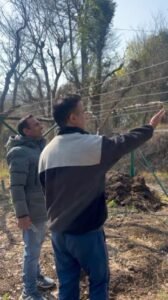
Pruning in winter is one of the most important jobs in a kiwi orchard. When the vines are bare and dormant, we cut back old canes that have already fruited and keep the healthy new ones that will carry next year’s fruit.
Good pruning keeps the vine balanced, lets sunlight and air into the canopy, and reduces disease. A well-pruned vine gives better flowering in spring and better fruit in autumn.
Hand pollination in spring
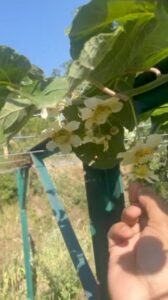
A kiwi vine is either male or female. Only female vines bear fruit, and each female flower needs pollen from a male flower.
Bees and wind help, but they are not always enough on our hillside. So when the vines bloom, we also pollinate by hand. On our farm we have diverse cultivars of Allison, Hayward, Bruno and Monty
We pick fresh male flowers and touch their pollen onto the open female flowers, one by one. It takes time, but well-pollinated flowers set more seeds and grow into fuller, larger kiwis. This is how our fruit reaches a good size naturally, without growth hormones.
What five years have taught me
I have been farming naturally for more than five years now, and I am happy with the results.
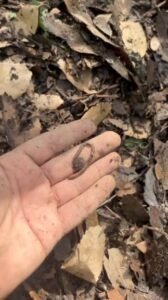
The soil came alive. Our orchard is full of desi earthworms. I have not ploughed it in four to five years, yet the soil stays soft, crumbly and healthy. The earthworms do the ploughing for us.
Pests are fewer every year. As the farm finds its own balance, I can clearly see less pest trouble season after season.
The vines are stronger. The main trunks of our kiwi vines are much thicker than those of kiwis of the same age on nearby farms.
Costs came down. Almost everything we use is made on the farm, so we spend very little on inputs.
It is not only the kiwis. On the same land we have grown ginger, garlic, beans, turmeric, chillies, potatoes, cucumbers and maize, all naturally, with similar results.
Meanwhile, many farmers around us spend heavily on expensive pesticides, fertilisers and growth hormones to increase the size of their fruit. Without knowing it, they may be adding to serious illnesses, including cancer, that are increasingly linked to chemicals in our food.
From our vines to your table – Digitial Traceability at play
 You do not have to take my word for how we farm. The QR code on each box links to our farm’s natural farming record with the state government systems – CETARA-NF. It shows the practices that my family undertakes in growing Kiwi without any agrochemicals.
This year – upon advisement of the Department of Agriculture near my village – we contacted a Delhi based social enterprise of Gram Disha Trust – JaivikHaat.
Normally our Kiwi is not valued well in the Mandi (Wholesale markets). However, it is heartening to know that there are social enterprises in India who are ready to support the farmers who grow with Agroecology.
JaivikHaat is a strong supporter of Farm level traceability with the end consumer. They supported my effort in developing a farm label with a Traceability QR code.
The representatives of Gram Disha Trust and JaivikHaat also made the effort to visit our farm and see the production system for themselves.
It is heartening to also learn that Gram Disha Trust also supports farmers with a Price Discovery system called MoolyaSHIKHAR.
So in addition to Full Traceability, Gram Disha Trust and JaivikHaat are also supporting our effort to discover ‘True’ Price for our hard earned produce, this year. Based on this discovery we shall also be able to determine suitable prices for the next season. Normally we just have to accept whatever the Mandi trader offers us but with this system it shall empower us further to know the ‘True’ price of our produce.
Finally this year we will be able to connect with the end consumer and also share our journey with them.
For this we are thankful to the Department of Agriculture in supporting our efforts with sustainable marketing also.
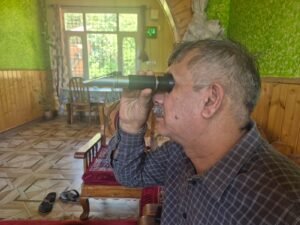
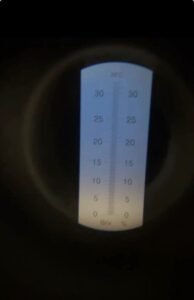
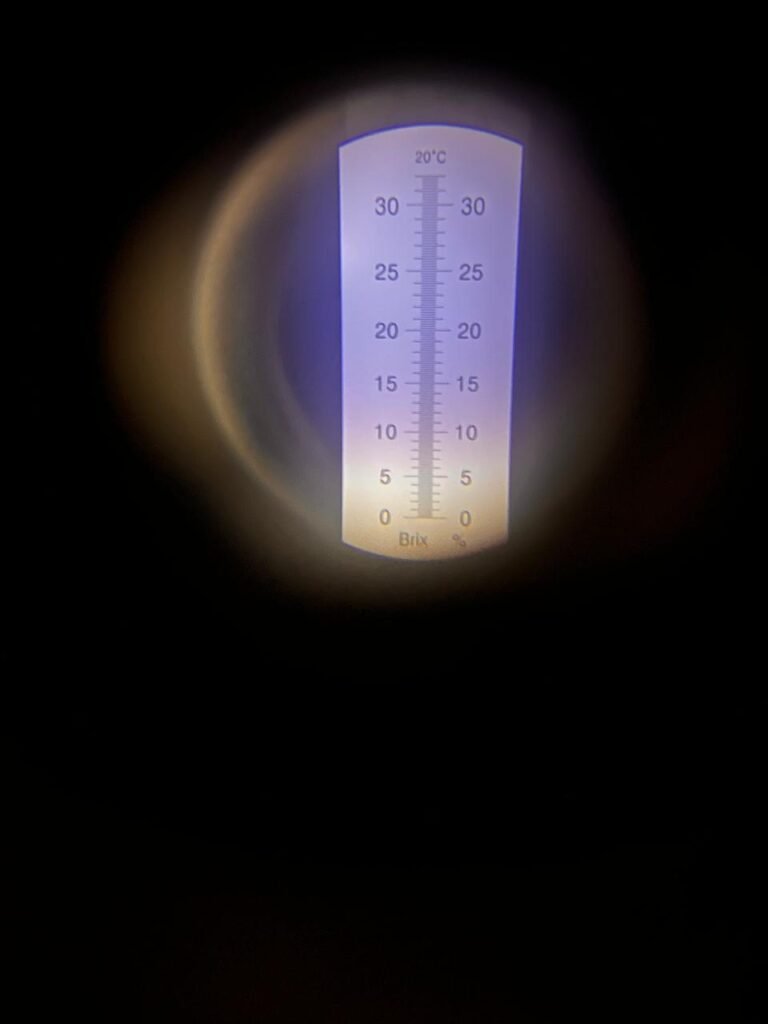
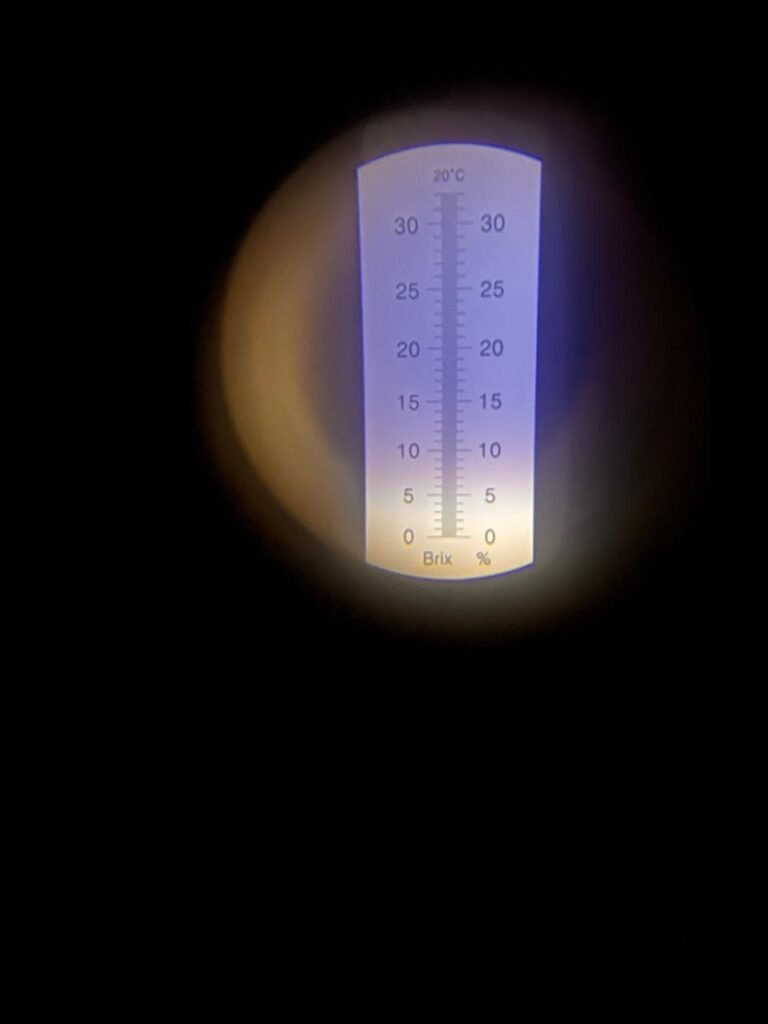
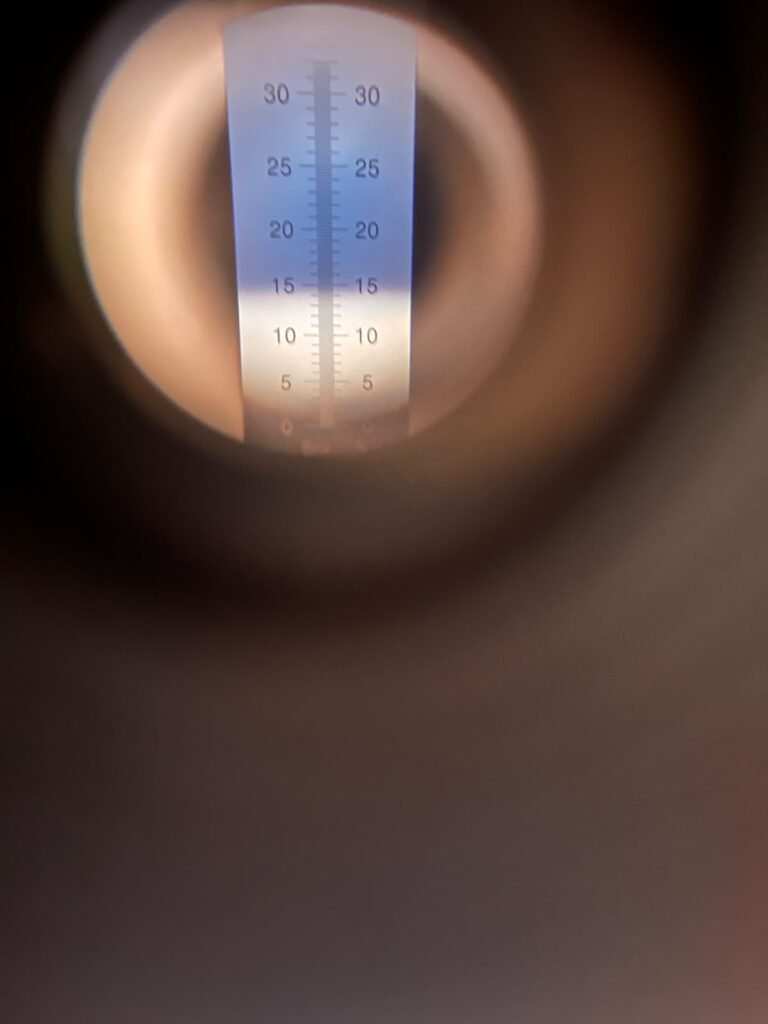
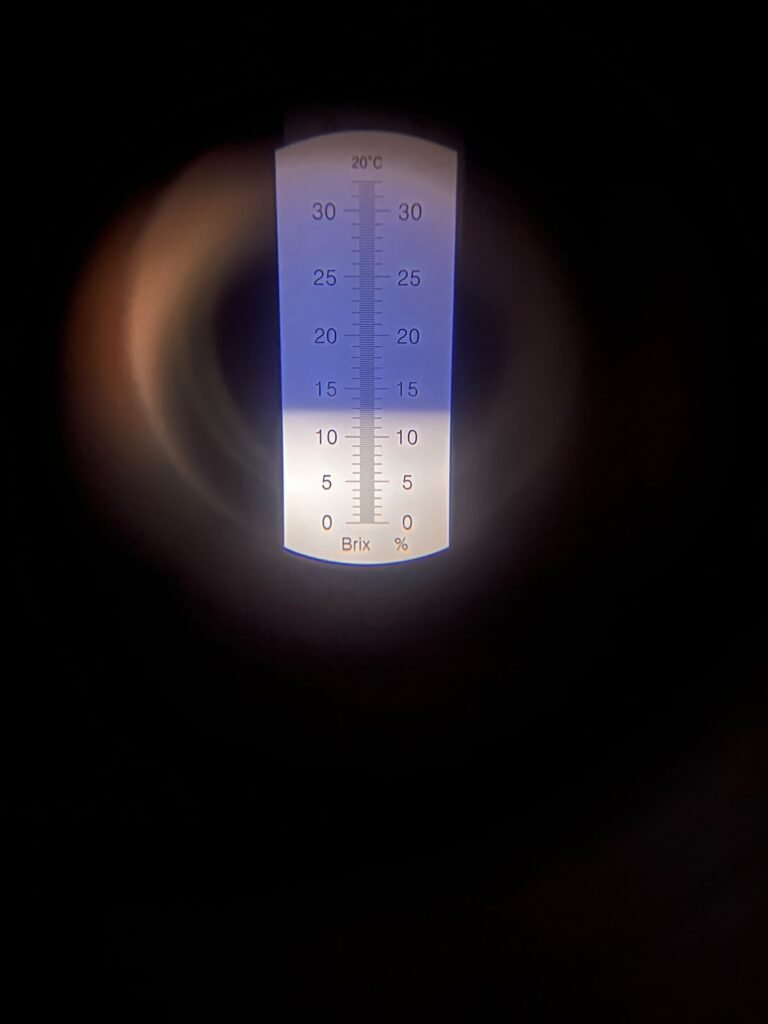
We grow our kiwis under the name Rishi Natural Farms, Solan. Before we pack a single box, we test the fruit’s natural sweetness with a refractometer (a Brix meter), so what reaches you is ready to enjoy.
At times we also have the kiwis sent semi-ripe. This helps prevent wastage in transportation and also avoids any artificial ripening methods which are also chemical based.
- Keep hard kiwis at room temperature to ripen.
- When they feel slightly soft, store them in the refrigerator.
- Peel, slice and enjoy.
Here is a nifty trick – keep the kiwis at room temperature with any pulpy fruit – an over ripe banana, Papaya or even an apple. These companion fruits help ripen each other! So no need for any chemicals here also. You can gradually watch your Kiwi ripen – so you can eat it and have it too!!
Looking ahead
Frankly speaking, from the West we took chemical pesticides, expensive medicines and polluting machines, and we followed them blindly. Along the way, we left behind our own rich heritage: traditional agriculture, Ayurveda and the gurukul way of learning. Natural farming is one way to return to that knowledge.
For me, natural farming feels spiritual, like doing pooja or meditation. It also gives me the satisfaction of doing something good for the soil and for the people who eat our fruit.
I am not a full-time farmer yet. My land is small. Water is becoming scarce in the name of development, and the weather keeps changing with global warming.
My dream is to build a bigger natural farm with a few Pahari cows, grow as many kinds of fruits and other crops as possible, and live a peaceful, spiritual life. By choosing naturally grown kiwis from Rishi Natural Farms, you support this way of farming. And if you have land of your own, I hope you will give natural farming a try.
Thank you for being part of our journey.
Contact us

Ranjeet Verma, Rishi Natural Farms
Village Ber, PO Chambaghat, Solan, H.P. 173213
Phone / WhatsApp: +91 78078 08808
Email:rishinaturalfarms@gmail.com