
The Aslofuru Algorithm
Data-Backed DPG approach for Fruit Tree Cultivar-Rootstock Matching
> ** Work in Progress (WIP) Notice** This platform and accompanying research are part of an ongoing, open-source initiative by the Gram Disha Trust and IIT Delhi. We are publishing these early baselines to invite collaborative critique, vernacular corrections, and field validation from farmers, agronomists, and legal scholars. The tools shall evolve continuously with community input. This output is by Mushahid Bhat, PhD scholar, Department of Computer Science and Engineering, IIT Delhi. **
“If the technology decreases the operational (input) cost and complexity of the smallholder – consider it – else send it back to the drawing board”
- Gram Disha Trust AgriTech Maxim
Background - One choice that lasts many years
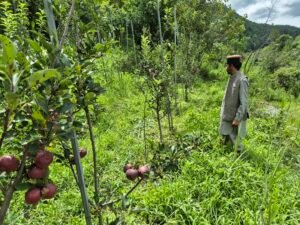
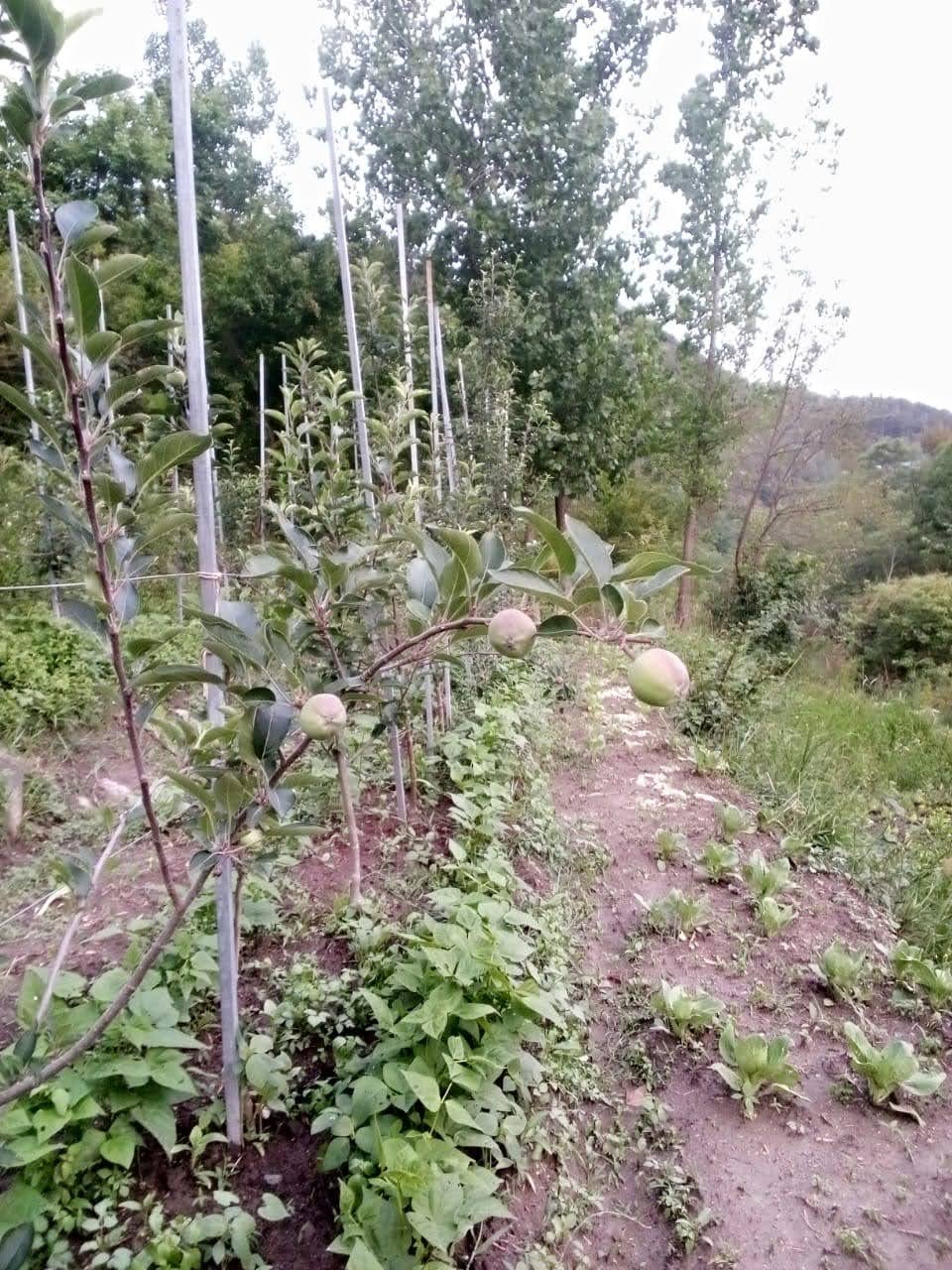
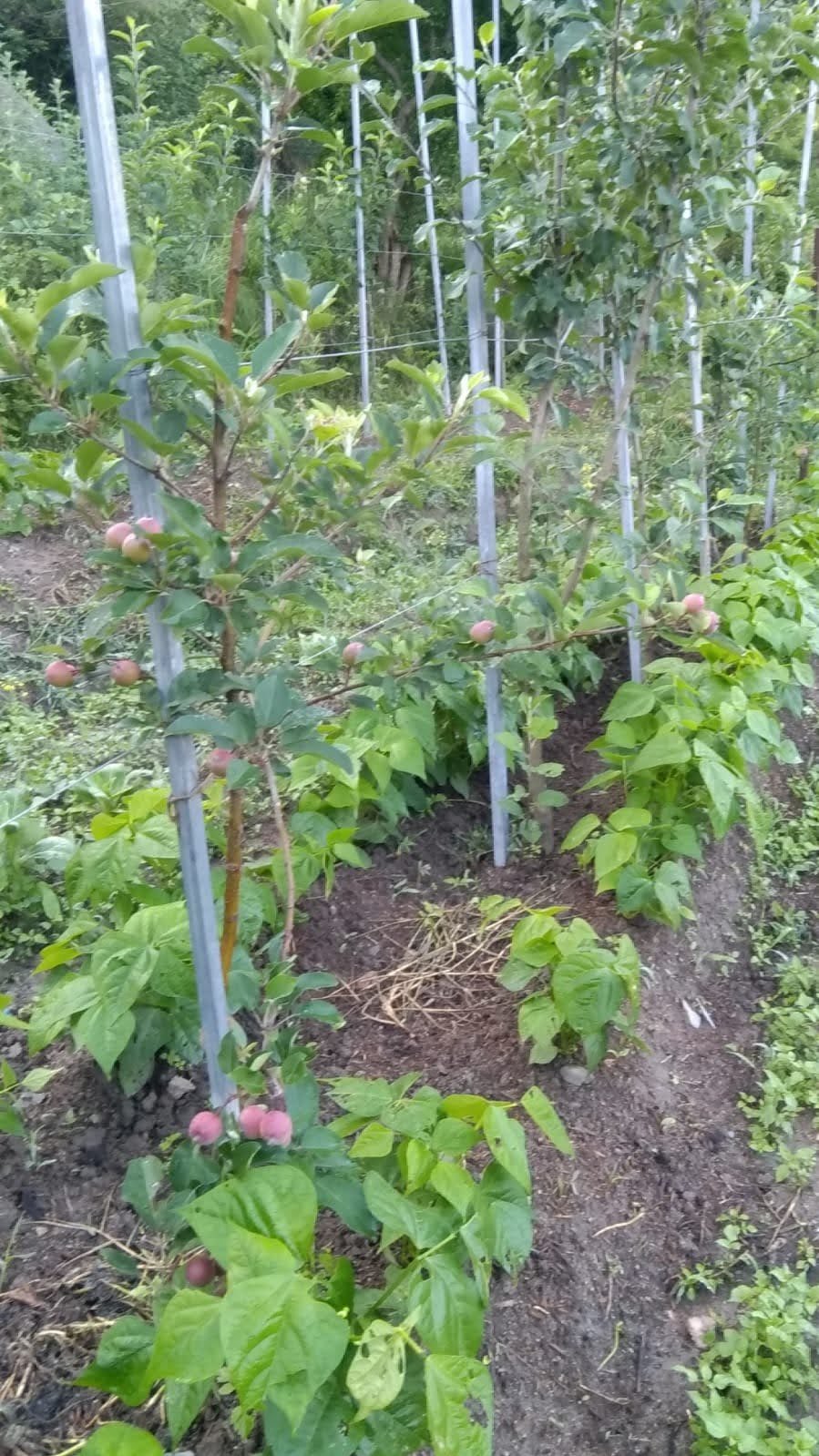
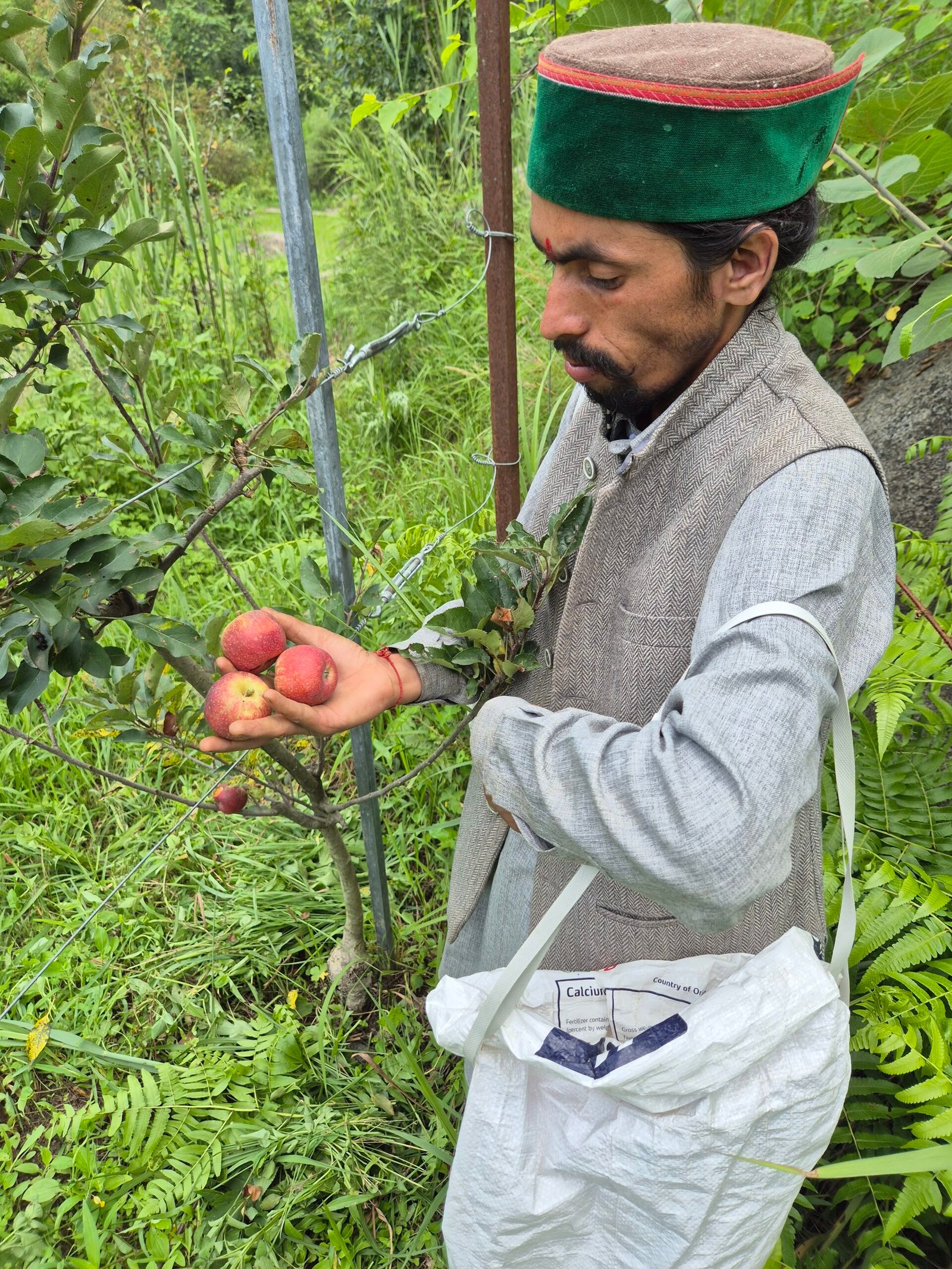
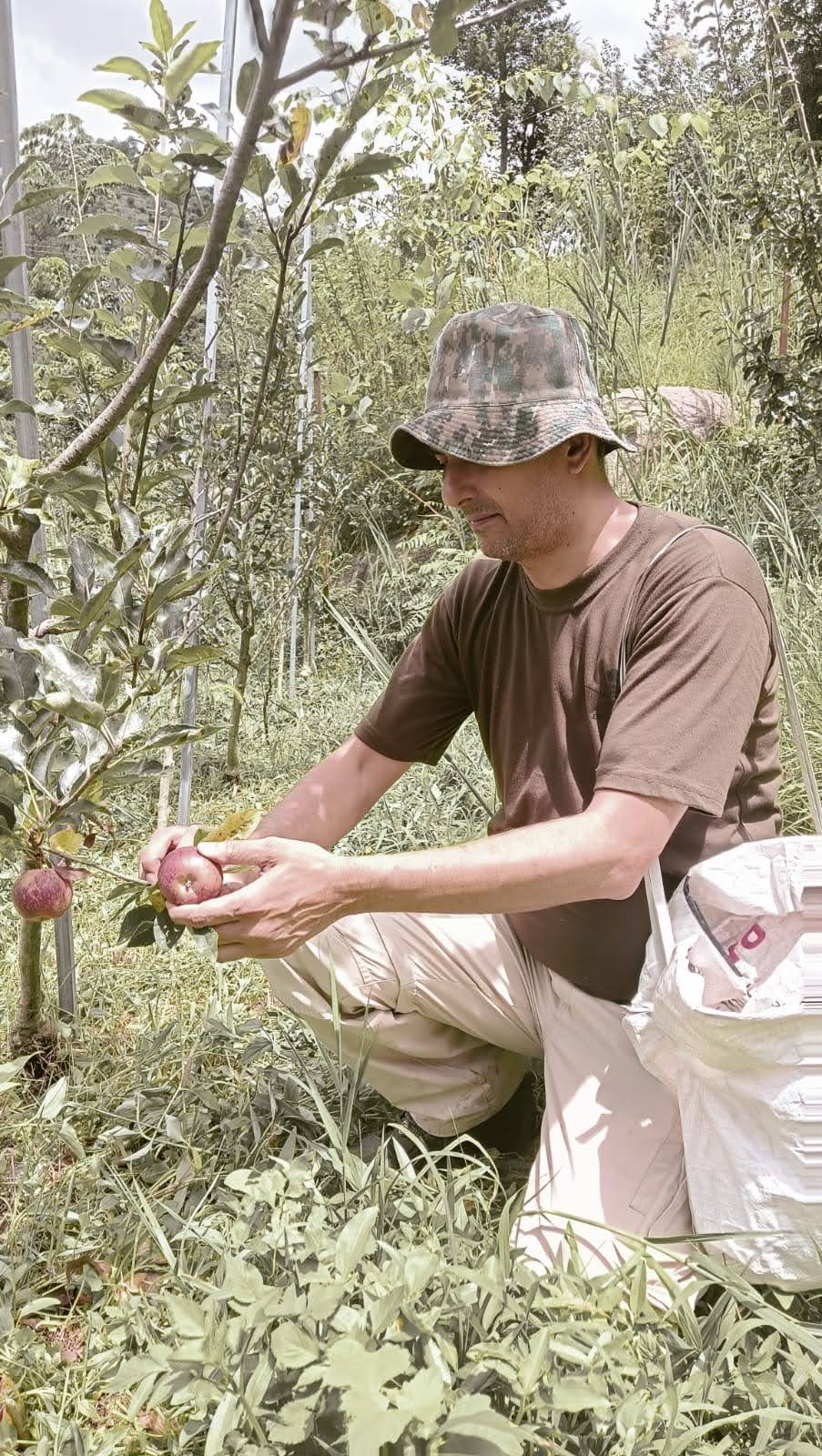
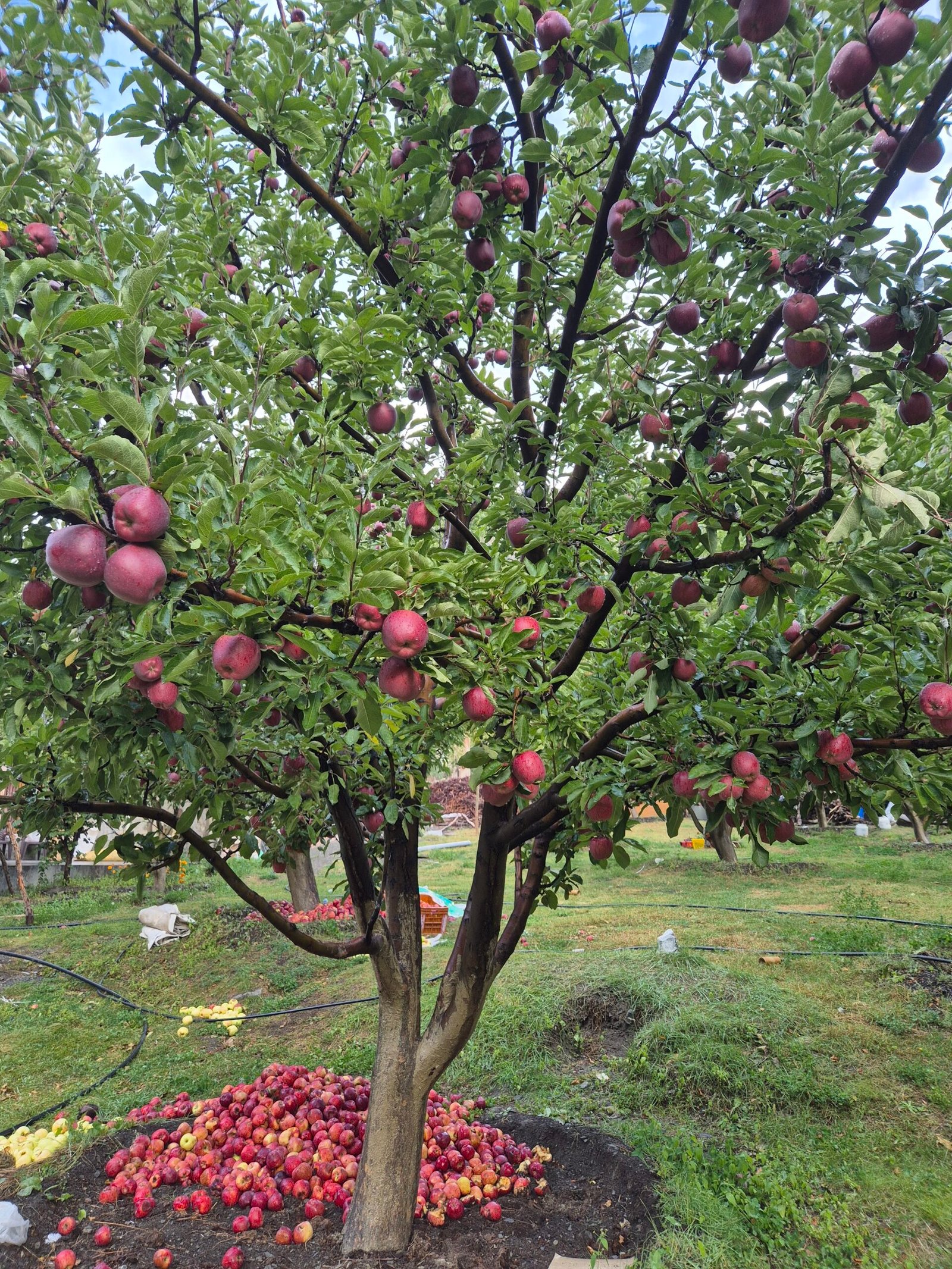
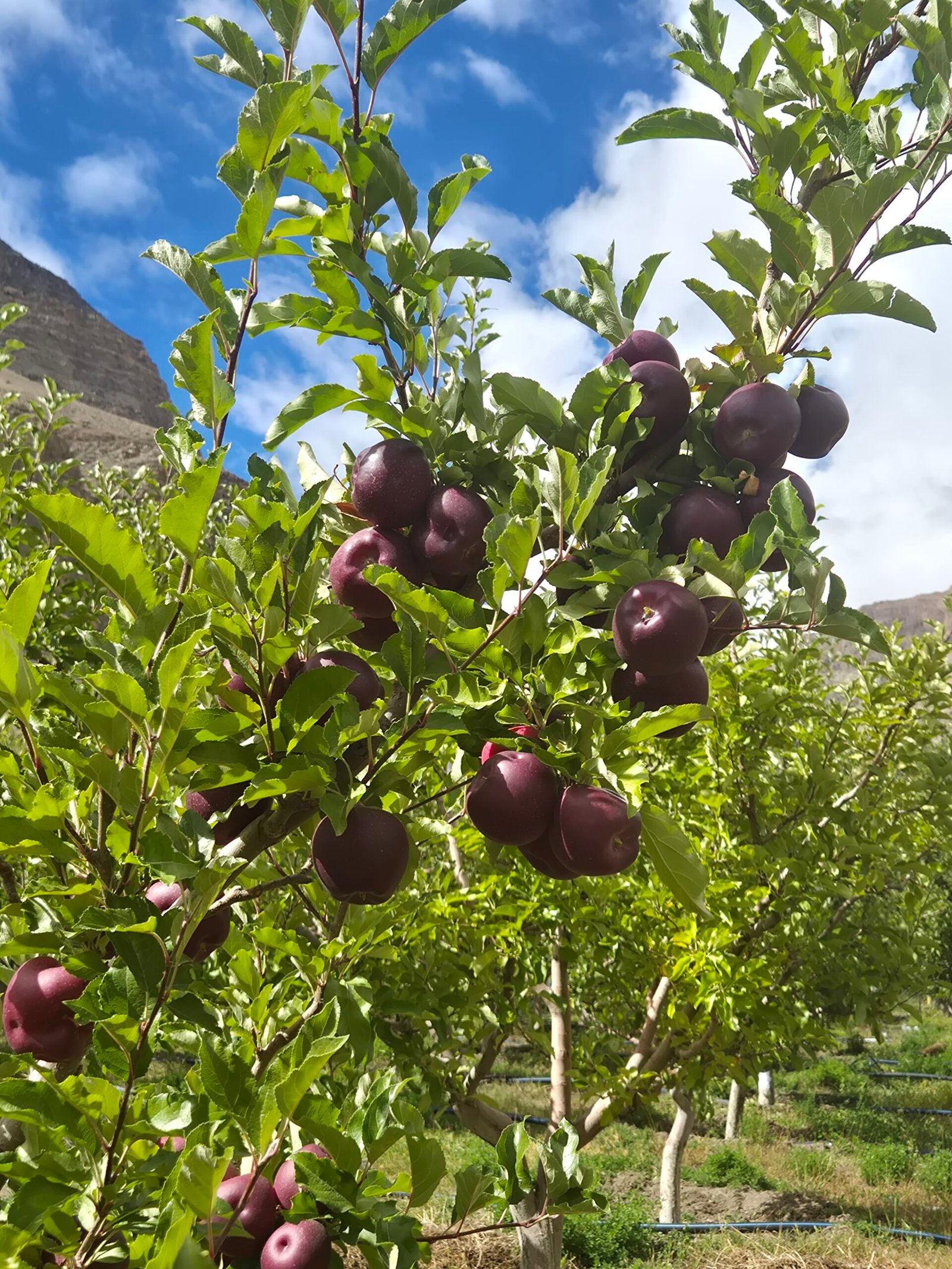
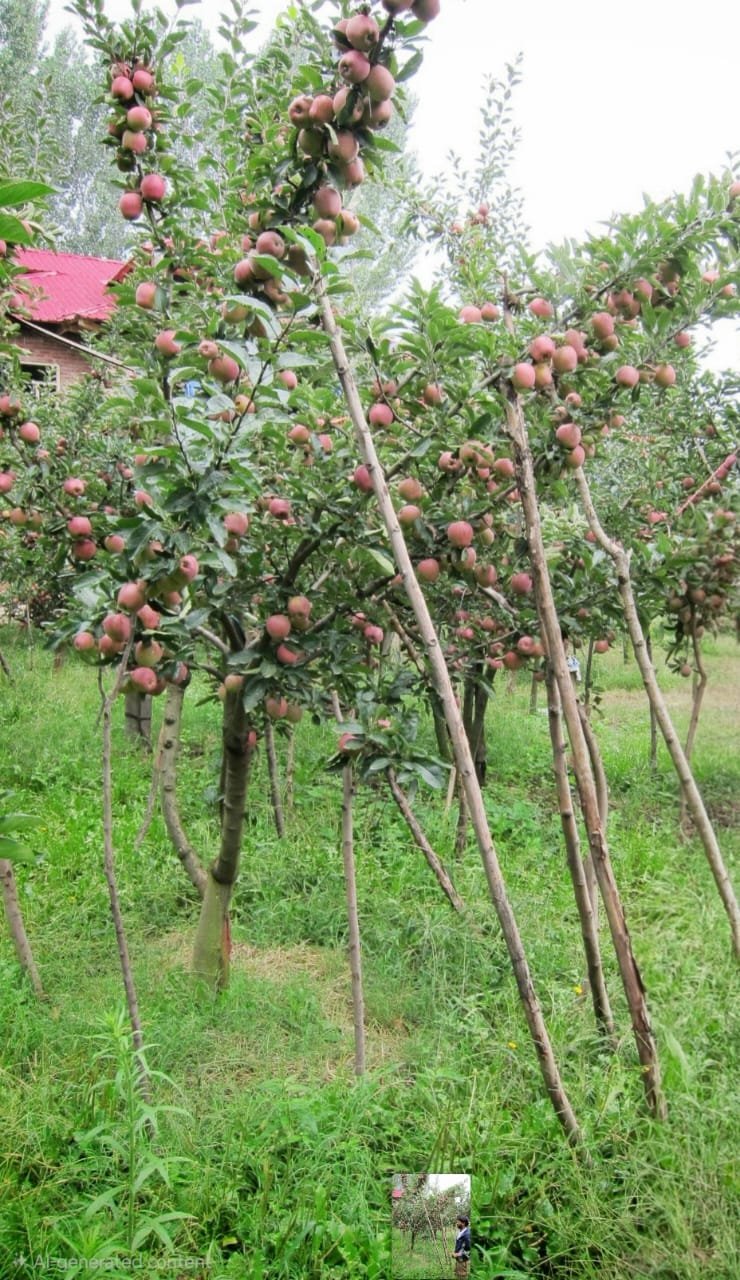
Indeed, I am from Kashmir, and here apple is not just one more crop. An orchard is planted once and then stands for about thirty years. So the first choice a grower makes, which cultivar (the variety that gives the fruit) and the rootstock to plant on a piece of land, decides most of what comes after in life.
Thus, this formed the core problem statement for the ‘Asl-o-Furu’ innovative algorithm.
Moreover, guided by Prof. Aaditeshwar Seth (IIT Delhi) and Ashish Gupta-jee, I developed a deterministic, source-audit-able decision engine for VARTA-Seeds.
However, that choice is usually made at a nursery counter, based on the seller’s guidance. A grower cannot tell one rootstock from another by looking at it, and cannot check what the graft actually is. You find out whether the advice was good a few years later, when the trees start bearing. By then nothing can be changed.
This is not because growers know less or the nursery owner is wrong. Moreover, the main fact is that these trees’ performance on this plot cannot be deterministically ascertained by seller or buyer.
Carving out mountain terraces, nevertheless, erecting galvanized trellis systems, transporting organic compost, and laying micro-irrigation networks require investments and labor.
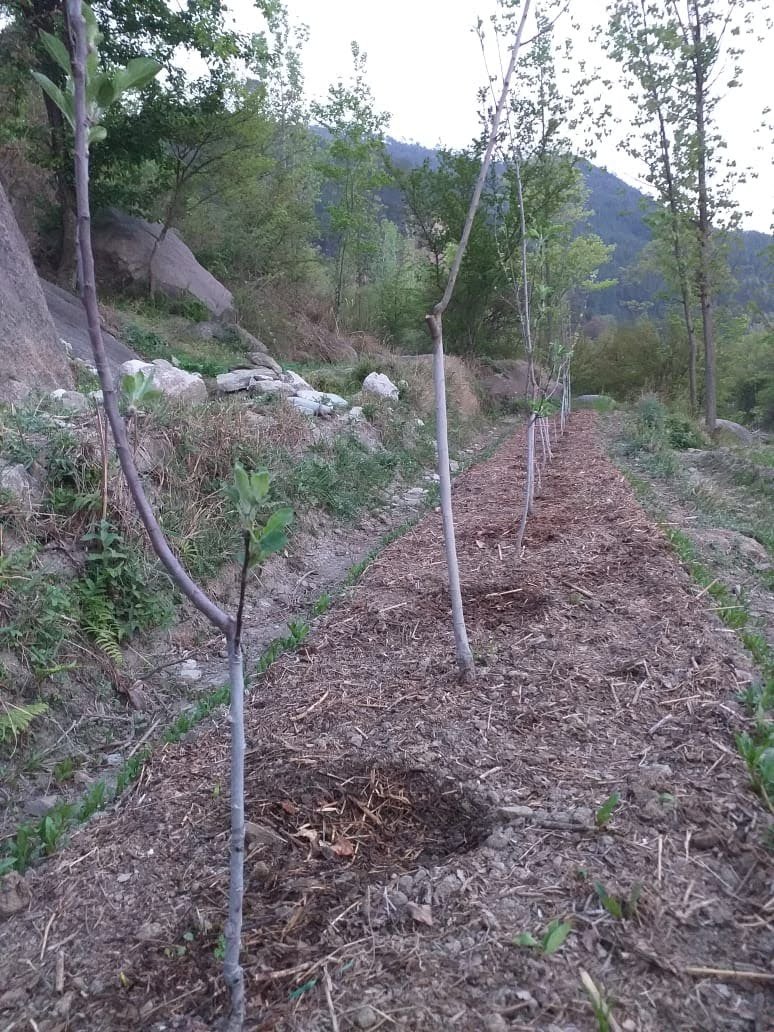
However, in most Himalayan valleys, the tree choice is finalized at a brief nursery-counter interaction. A grower cannot distinguish one clonal rootstock from another merely by inspecting dormant roots. They cannot visually verify whether a root system can tolerate waterlogged clay Moreover, they cannot verify whether a root system tolerates waterlogged clay loamy soil, heavy snow-pack creep, or pathogens , withstand heavy snow-pack creep, or resist soil-borne pathogens like collar rot (Phytophthora cactorum). By the time the trees reach commercial bearing four or five years later, the grower is locked into an unviable orchard architecture.
Nuskha Dar Fanni Falahat and the Concept of Asl-o-Furū‘
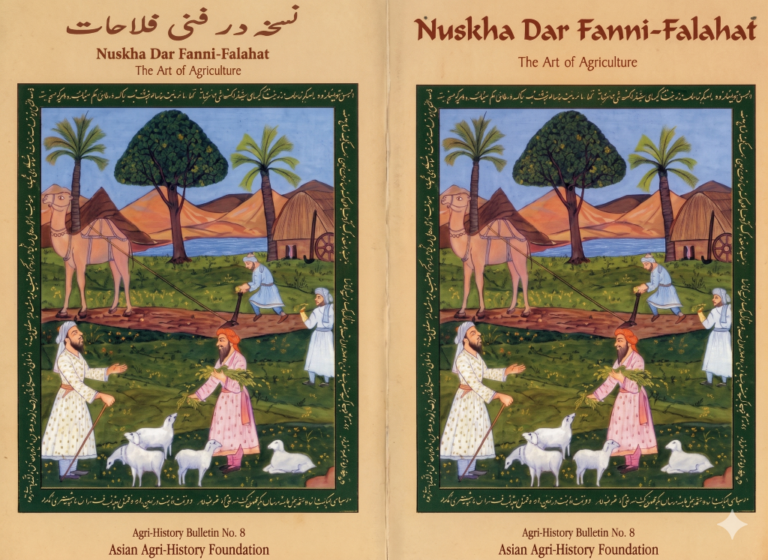
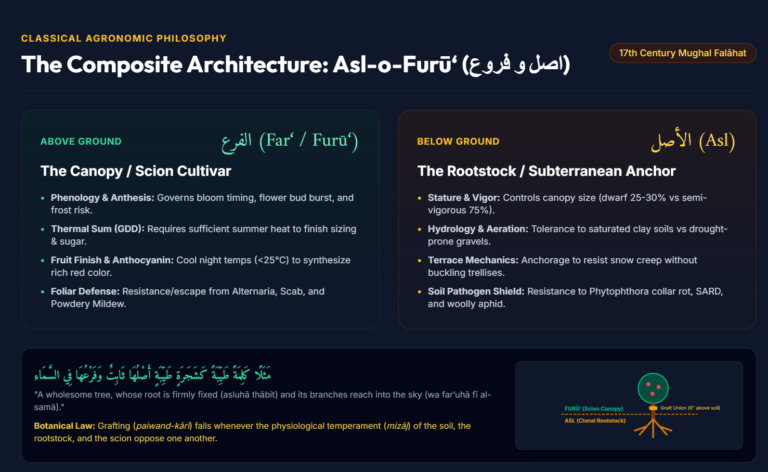
The conceptual foundation of our algorithm draws directly from classical Indian horticultural literature. In the 17th-century Persian agricultural treatise Nuskha Dar Fann-i Falāhat (نسخه در فن فلاحت), attributed to Mughal Prince Dara Shikoh, arboriculture is framed around the biological harmony of Asl-o-Furū‘ (اصل و فروع).
This an important horticulture treatise as an Indian classical heritage which is available for reference even today. Based on the treatise the term – Al–Asl wa al-Furū‘ (اصل و فروع) – or The constitutional harmony between subterranean roots (Asl) and aerial canopy branches (Furū‘) is reflective of our understanding of modern horticulture.
Nuskha Dar Fanni Falahat established that grafting (paiwand) fails if the constitutional temperament (mizāj) of the soil, the rootstock, and the scion are in opposition.
Therefore, grafted trees on specific rootstocks shape key production traits in grafted fruit trees. shape key production traits in grafted fruit trees achieve the desired production traits in fruit trees. As a result, these traits include fruit type, seasonality, disease resistance, and yield.
Moreover, the Aslofuru Algorithm translates this foundational principle into a modern, neurosymbolic computational pipeline for contemporary horticulture.
The Breakthrough - Why Standard "Machine Learning" Failed the Agronomic Data Check
My first idea was simple – Collect historical orchard data (soil, climate and terrain) across Jammu & Kashmir, train an artificial intelligence model, and predict the optimal rootstock and cultivar for any set of GPS coordinates. Before building anything we checked whether the data could carry that.
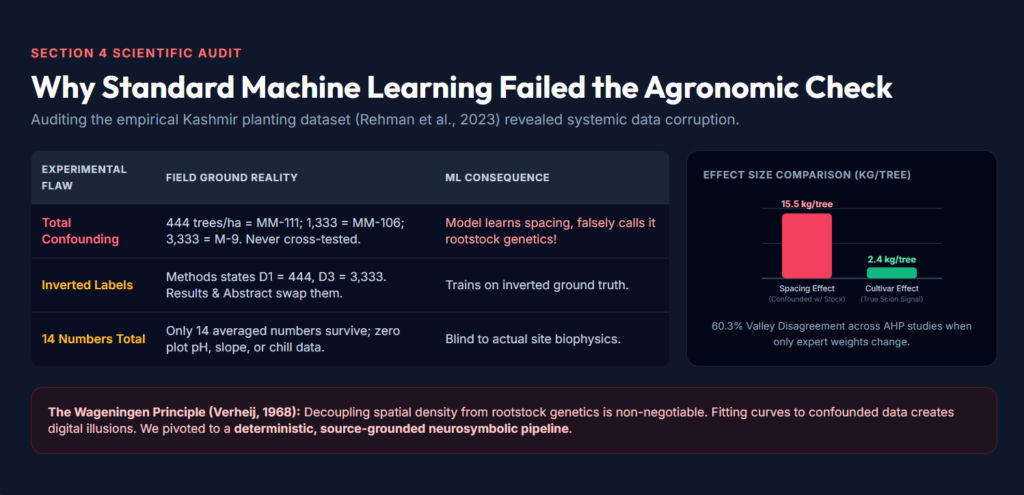
It could not. We realised that a machine-learning model cannot be trained on this data without learning fundamentally misleading relationships of cultivation within the hyperlocal reality of the individual orchard. We discovered the following –
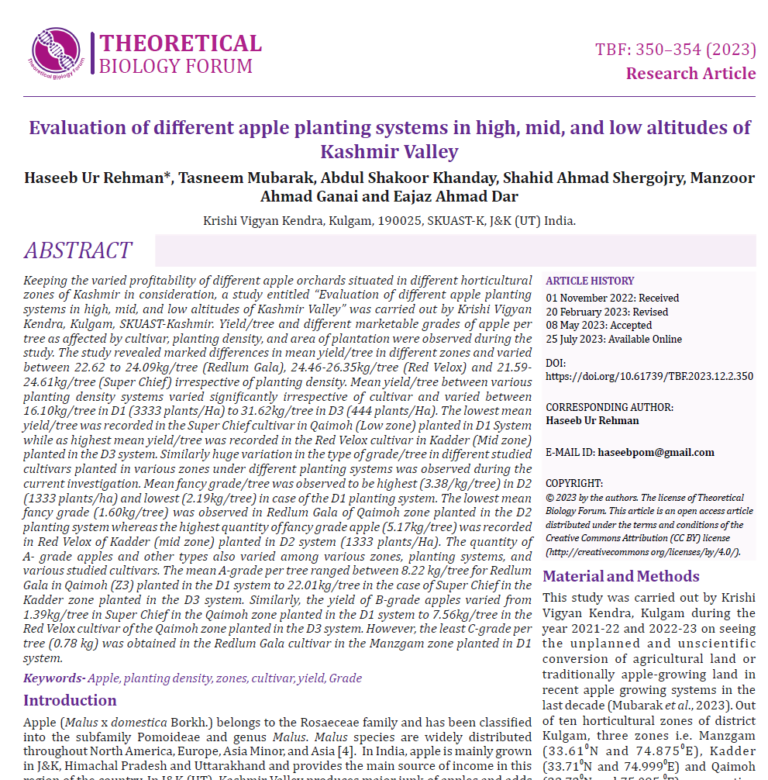
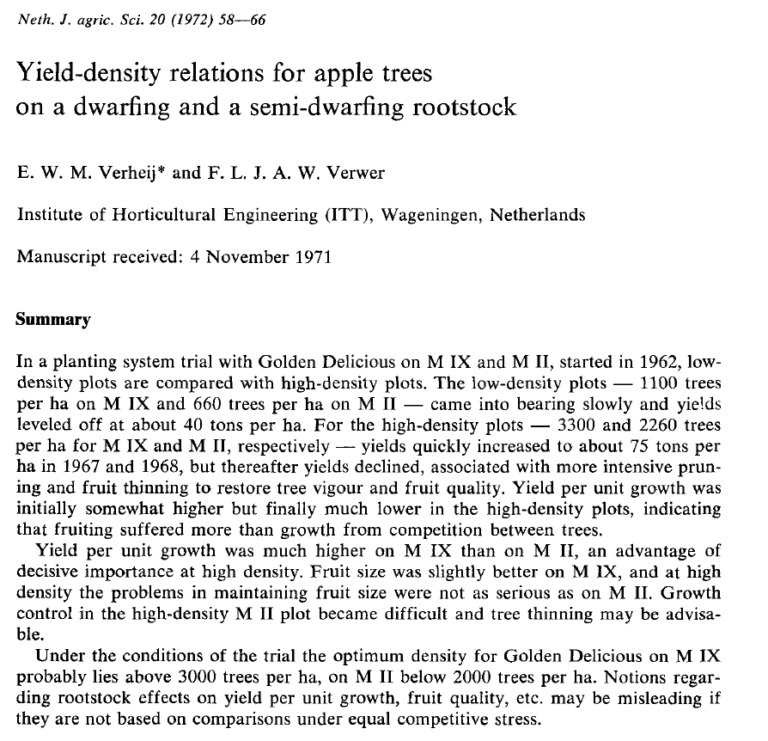
- The only Kashmir dataset that links zone, cultivar, rootstock and yield has every rootstock planted at one spacing only. The study says so itself – MM.111 at 444 trees per hectare, MM.106 at 1,333, M.9 at 3,333. A model cannot tell whether a result came from the tree or from the spacing. Spacing has the bigger effect anyway, about 15.5 kg per tree against 2.4 kg between varieties.
- Nothing was measured at the plots themselves. No soil pH, no slope, no aspect, no chilling hours.
- The paper prints only averages, so only fourteen usable numbers are left.
- Its own labels disagree. The Methods section says one spacing is 444 trees per hectare. The Abstract and Results swap it.
A Digital system trained on this would mostly learn spacing and attempt to determine the rootstock.
This problem discovery helped us innovate our algorithm to train itself better while producing results which are deterministic towards the hyperlocal reality of the individual orchards.
What we build instead - 2-pass Neurosymbolic Pipeline - VARTA-Seeds
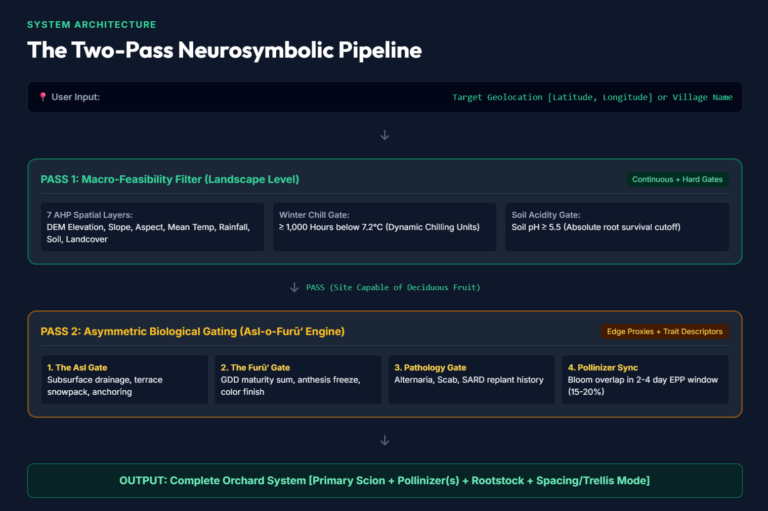
The first pass is to immediately eliminate those rootstock-cultivar which are clearly unsuitable to the target orchards topoclimatic conditions.
Using open geospatial datasets—Copernicus DEM (30 m), CHELSA Climate (1 km), and SoilGrids (250 m) – the engine assesses whether temperate fruit trees can survive at the site.
The system processes elevation, slope, aspect, rainfall, and temperature through an Analytic Hierarchy Process (AHP) baseline. Certain criteria act as absolute biological vetoes that cannot be offset by a high score in another category –
Winter Chilling Requirement – Apple trees require 1,000 to 1,500 chilling hours below 7.2°C to break endodormancy. If a site accumulates fewer than 1,000 hours, the engine issues an immediate disqualification.
Soil Acidity Floor: Fruit trees cannot survive or absorb micronutrients (iron, manganese, boron) in soils below pH 5.5. Favorable terrain cannot compensate for an acidic, toxic root zone.
Also, instead of training on data that does not exist, we decided to take the facts out of the research papers and guides we already have, and keep a record of where each fact came from.
fail
at least 1,000 hours
fail
5.5 or above
.jsonfruit and flowering
.jsonsize and spacing
.jsonpests and resistance
.jsonofficial rules
- A land score. Eight open map layers are read at the exact point a grower gives: height, slope, the direction the land faces, temperature, rainfall, soil pH, soil texture and winter chill. Each one gets a mark from 1 (best) to 4 (worst), and the marks are added up using expert weights.
- Where the weights come from. A published study. We rebuilt them from that study’s own printed table and got the same numbers back to three decimal places.
- Winter chill. Apple needs about 1,000 to 1,500 hours between 0 and 7.2 °C to come out of dormancy. No Kashmir study reports this, so we worked it out from NASA daily temperature data. The source study gives height a heavy weight and says why: those heights are what supply the chilling hours. Height was standing in for chill, so we split that weight between the two.
- Hard limits. Below about 1,000 chilling hours, or soil pH below 5.5, a good score elsewhere cannot save the site. These two are checked separately and are never averaged in, because a decent average can hide something that kills the orchard.
- A plant list. Four JSON files covering 22 varieties, 13 rootstocks, 18 diseases and 33 official rules.
A language model on our own machine writes a first draft of each entry, but it is only allowed to copy a fact, never to guess one. After that we read the original sentence on the original page ourselves.
What it looks like on a real plot
We tried it on a plot in Büirhālan, in Shupiyan district. The land scored 2.45 out of 4, which is suitable, and both hard limits passed.
| Layer | Reading | Mark | Weight | Mark × weight |
|---|---|---|---|---|
| Height | 2,200 m | 3 | 0.17 | 0.51 |
| Winter chill | 1,746 h | 2 | 0.17 | 0.34 |
| Temperature | 9.4 °C | 3 | 0.25 | 0.75 |
| Slope | 2.8° | 1 | 0.13 | 0.13 |
| Land cover | tree cover | 3 | 0.13 | 0.39 |
| Rainfall | 1,825 mm | 4 | 0.06 | 0.24 |
| Aspect | east | 1 | 0.06 | 0.06 |
| Soil texture | loam | 1 | 0.03 | 0.03 |
| Total | 1.00 | 2.45 |
1,746 h needs 1,000 h or more
pH 6.0 needs pH 5.5 or more
Rainfall is the weak factor on this plot, 1,825 mm against a best band of 900 to 1,150.
Then the tool looked at the plants. Gala came back as plant-able, on the condition that another cultivar flowers nearby for pollination. M-9 was refused, and the reason matters: the land is fine, the plant is the problem. It is recorded as prone to white root rot, woolly apple aphid and fire blight.
So the advice is to change the tree, not just the land. This makes the result deterministic and useful to the Orchardist, since it directly impacts their input cost and complexity of decision. This is as per the Gram Disha Trust Maxim and thus makes Aslofuru DPG suitable for the smallholders as well.
needs a second cultivar flowering beside it
needs a second cultivar flowering beside it
prone to alternaria leaf blotch
susceptible to apple scab
prone to white root rot, woolly aphid and fire blight
flagged for white root rot
flagged for collar rot and white root rot
elevation
slope
faces
mean temperature
rainfall
winter chill
soil pH
land cover
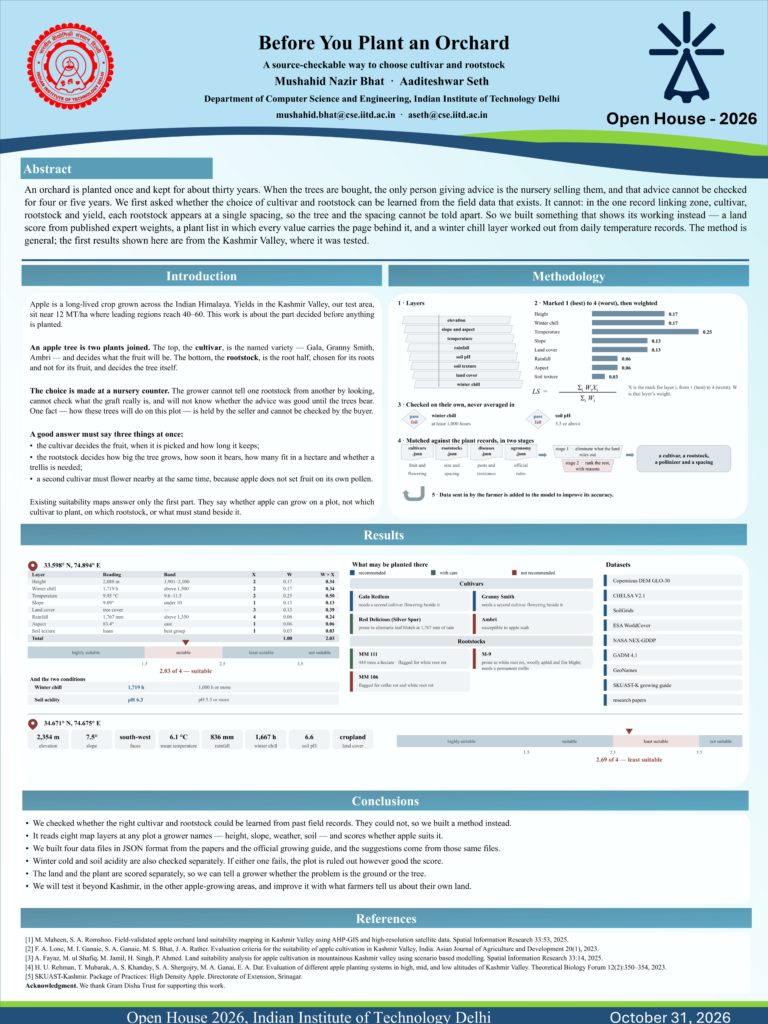
Three things the numbers showed that we did not expect
The weights decide the answer, not the ground. Two published Kashmir studies score the same seven factors in the same way. They differ only in how much each factor counts. We ran both on the same data across 251,469 squares of the valley. They disagree on 60.3% of it. One calls 12.7% of the valley best land, the other calls 6.0%. Neither paper reports this, because neither ran the other’s weights. A grower holding one of those maps has no way to know that the other study says something quite different about more than half the ground.
Winter chill falls as you go higher. This one took me a while to believe. At 1,588 m we count 1,387 chill hours, at 2,088 m 1,719, at 2,354 m 1,667, and at 3,370 m only 1,089. The reason is that chilling hours are counted strictly between 0 and 7.2 °C, and hours below freezing do not count at all. High up, most of winter sits below zero and falls out of the count. So the place is colder but the number is smaller. This is a known weakness of counting chill this way, and it is on our list to fix.
The plant answer does not yet depend on where you are. We sampled 60 villages across the ten apple districts. In the 49 where the land passes, the cultivar and rootstock verdicts came back identical, the same names in the same groups every time. Location decides whether the land passes. After that the answer comes only from what is recorded about each plant, and not from the site at all. That is a real gap, and finding it was more useful to us than making one more map.
How it works
Eight open map layers are read at the point a grower gives, each marked 1 (best) to 4 (worst), then combined using weights from a published Kashmir study into one number. Two things sit outside that score and are never averaged in: at least 1,000 chilling hours, and soil pH of at least 5.5 fail either and the plot is ruled out whatever it scored.
The plant side is four files — 22 cultivars, 13 rootstocks, 18 diseases, 33 rules from the official guide — now in one standard, BrAPI v2.1.
One value, one row, one citation, so a trait that was never recorded stays visibly unknown. The files are thin: not one of the 22 cultivars has a published chilling requirement.
Winter chill is the one layer no Kashmir study has, so we count it ourselves from NASA daily temperatures.
It threw up something odd. Chill falls as you climb, because hours below freezing do not count at all, so high up most of winter drops out of the measure.
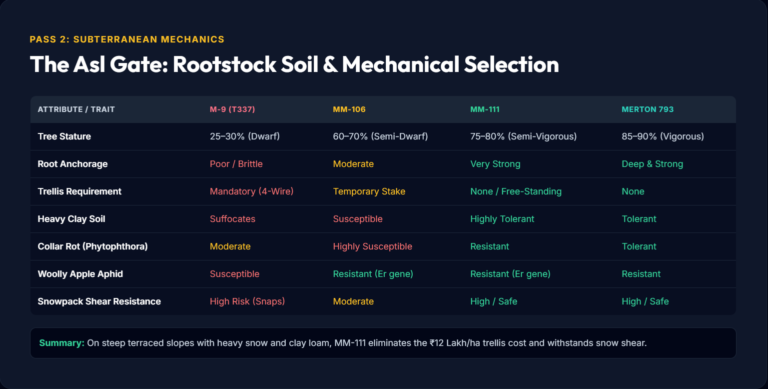
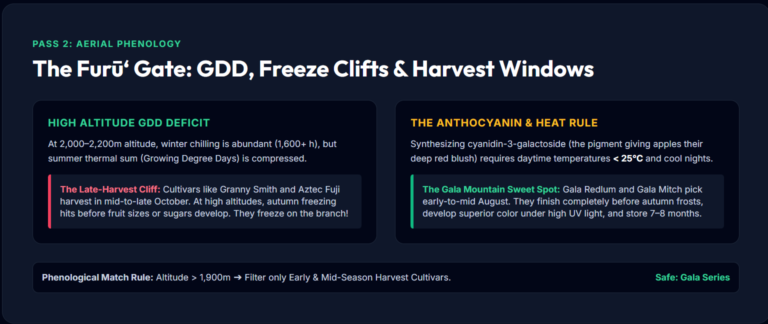
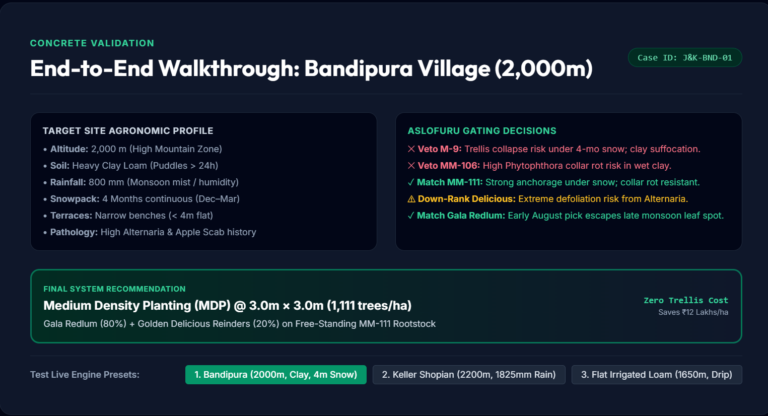
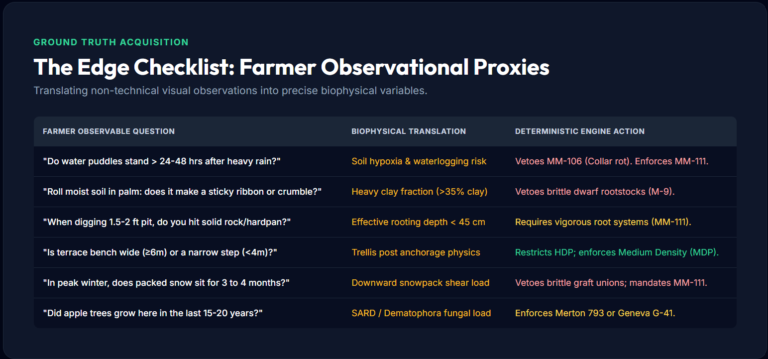
The Aslofuru Algorithm structures decision-making into two decoupled gates in the 2nd Pass. The specific biological envelope of both the rootstock (Asl) and scion cultivar (Far‘) against localized site stresses.
- The Rootstock Gate (Asl) – Matches subterranean traits (anchorage, clay tolerance, collar rot resistance) to soil hydrology and terrace mechanics.
- The Cultivar Gate (Far‘ or Furu) – Matches aerial traits (Growing Degree Days, chilling requirements, bloom timing, harvest window, foliar disease tolerance) to topoclimatic constraints
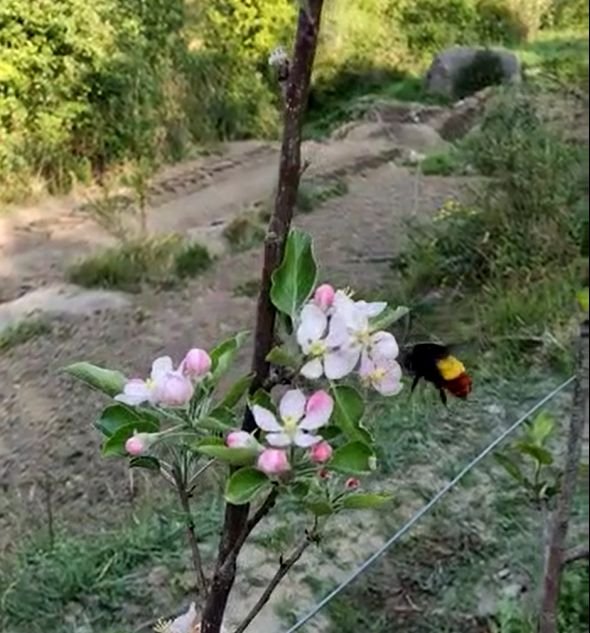
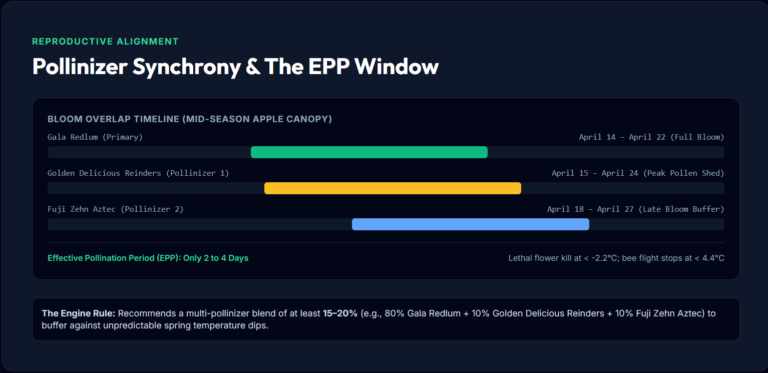
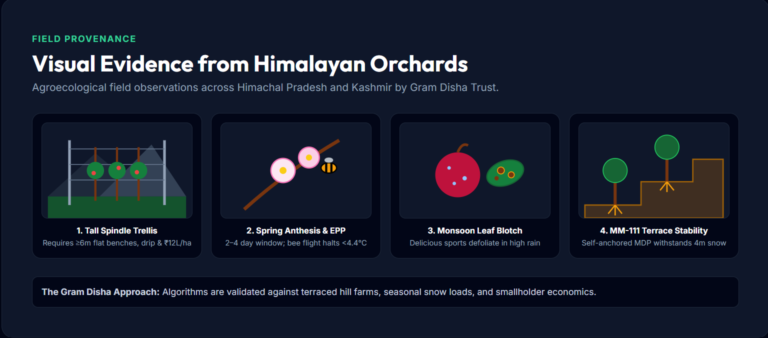
Additionally, pollinizer synchrony verifies that a cross-compatible pollinizer blooms within the 2-to-4 day Effective Pollination Period (EPP) at that exact elevation and aspect.
Important Use-Cases
- A second opinion at the counter. Before paying for hundreds of plantation trees from a nursery, a grower can see what the land says about the rootstock on offer.
- Telling the ground apart from the tree. Land and plant are scored separately, so the answer can say which of the two is the problem. Those are two different pieces of advice and they cost different amounts of money.
- Making extension advice check-able. An extension officer or KVK scientist can follow any line back to the Package of Practices or the paper it came from.
- Keeping traditional varieties visible. Seven of the 22 varieties, including Ambri, Maharaji and Lal Ambri, are in no government guide, because that guide covers high density planting only. We took them from research papers. One source records Ambri as being at the verge of extinction.
- Nursery Led Support and Technology. We also foresee a case where Public and Private nurseries may also leverage Aslofuru DPG to offer a hyperlocal estimation to each grower without having to travel to their farm location or risking broad estimates. This also provides a win-win to commercial players as well – with transparency enabled through the DPG.
- Crop Type Expansion. Aslofuru is being developed compliant to a standard API framework – BrAPI. In the Aslofuru pipeline, MCPD is retained inside the passport block (fao_mcpd) to preserve statutory lineage and geographic origin, while BrAPI v2.1 provides the enclosing, computable API envelope (JSONs) required for real-time biological gating. This allows for the 2-Pass matching algorithm to adapt to other crop types as well. This is also mentioned in the possibilities section below.
Adopting the Breeding API (BrAPI v2.1) provides the Aslofuru algorithm with an open-source, standardized RESTful specification that translates static FAO passport data and UPOV/DUS phenotypic traits directly into computable, interoperable JSON schemas. While static passport formats like MCPD are limited to historical genebank provenance, BrAPI’s Germplasm and Phenotyping (ObservationVariable) modules allow Aslofuru to structure and compute active biological thresholds – such as chilling requirements, anthesis windows, soil hydrology limits, and disease resistances – across the rootstock (Asl) and scion (Furū‘) composite.
This allows Aslofuru to develop as a modular Digital Public Good (DPG) which is then possible to integrate with in the larger frame of VARTA-Seeds eventually becoming part of the VARTA-DPI stack linked with Core Stack.
By eliminating the need to engineer an ad-hoc, proprietary data format from scratch, BrAPI ensures the catalogue is machine-readable and ready to serve as an open, scalable web API across mobile advisory tools and Digital Public Infrastructure (DPI).
Github – Codebase pending for sharing
Collaboration Requirements
We are continuing development and look forward to inviting collaborations with –
- Horticulture scientists and researcher – For the station daily temperature record behind published flowering dates. With it we could work out each variety’s own chilling requirement, which is unpublished for all 22. For this – as the output is currently focused in Kashmir – it will be fortunate if we are able to collaborate with SKUAST-K.
- Growers and extension workers, to tell us whether this is useful at the counter. While we will test the output at our personal Orchards and at the field plots of Gram Disha Trust, we are also looking to invite other growers who are interested in developing such a DPG.
Sources and data – JSON and reference Data Sources
These are the two folders we worked from: the research papers and the J&K government and scheme documents.
The map layers
- Copernicus DEM GLO-30 (ESA and Airbus, 30 m). Height, slope and the direction the land faces. Free, with attribution.
- CHELSA V2.1 (about 1 km). Mean temperature and yearly rainfall. Cite Karger et al. (2017), Scientific Data 4:170122.
- SoilGrids 250 m (ISRIC). Soil pH and soil texture. CC BY 4.0. Cite Poggio et al. (2021), SOIL 7:217-240.
- ESA WorldCover 10 m. Land cover. CC BY 4.0. Cite Zanaga et al. (2022).
- NASA NEX-GDDP-CMIP6 (0.25 degree, daily). The daily temperatures we count winter chill from. doi:10.7917/OFSG3345
- GADM 4.1 and GeoNames. District boundaries and village names, so a grower can look a place up by name. Free for non-commercial use.
Future Possibilities
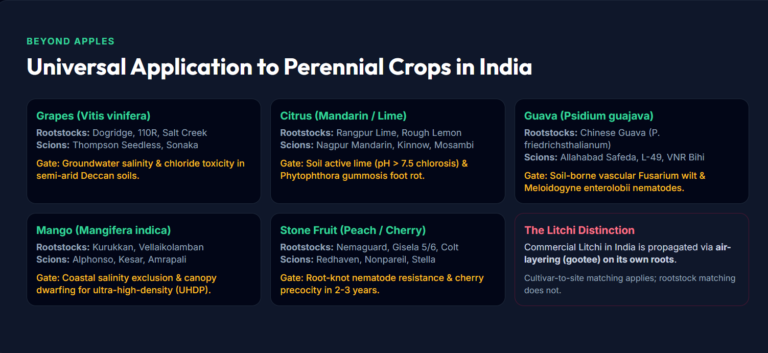
It is clear that the Aslofuru is not just positioned for a single crop type – Apple. In fact this same algorithm is possible to scale into a crop type agnostic algorithm within the VARTA-Seeds engine to other perennial crops as well. Thus here we envision that this system shall also be applicable to other fruit crops such as Grapes, Citrus, Guava, Mango and so on. So long the requirements are of a rootstock-cultivar match the logic is possible to expand based on a configuration regime. It is also foreseeable that the overall logic gate is possible to build with edge level heuristics and thus under a sub-billion parameter engine. This makes it suitable for a cost effective SLM deployment.
This also brings us to the Gram Disha Trust AgriTech Maxim – the innovation or technology intervention should be such that it lowers the cost and complexity for the smallholder. We find, thus far, possibilities to build such an appropriate solution with the Aslofuru Digital Public Goods (DPG) approach within the VARTA-DPI stack.
This module is being developed by Mushahid Bhat, PhD scholar in Computer Science and Engineering at IIT Delhi, in collaboration with Gram Disha Trust. The technical architecture and agroecological framework are being jointly mentored by Prof. Aaditeshwar Seth (IIT Delhi) and Ashish Gupta-jee (Gram Disha Trust).