Not all classrooms have walls some are built of stone, shaped by mountains, and open to those ready to learn
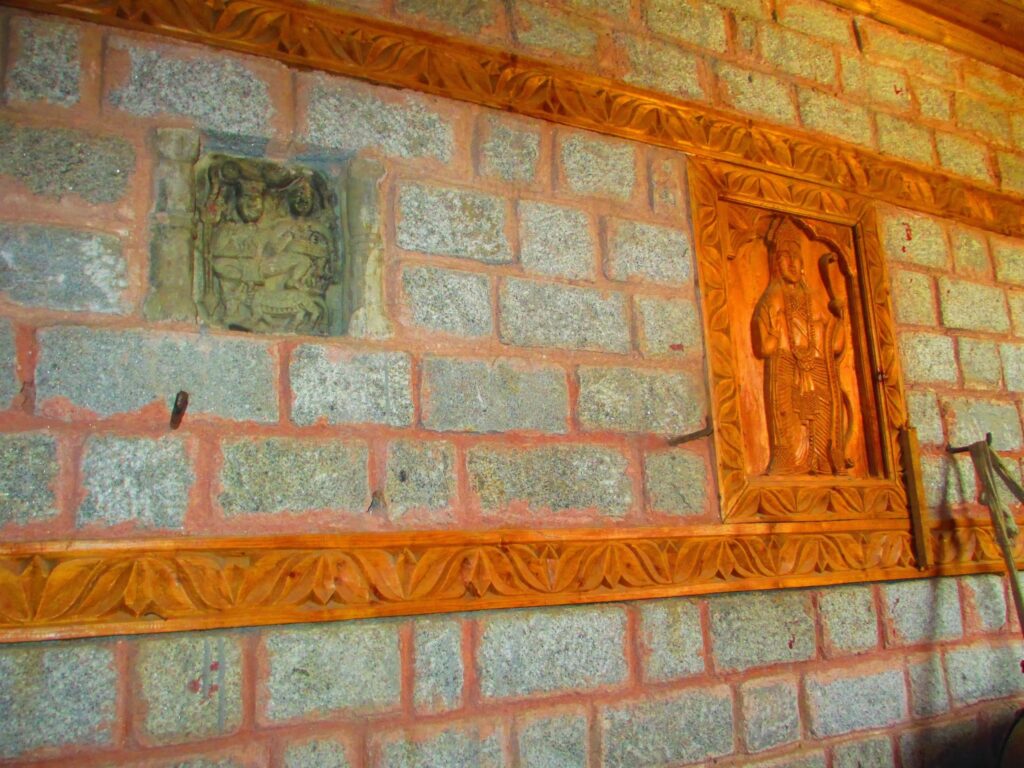
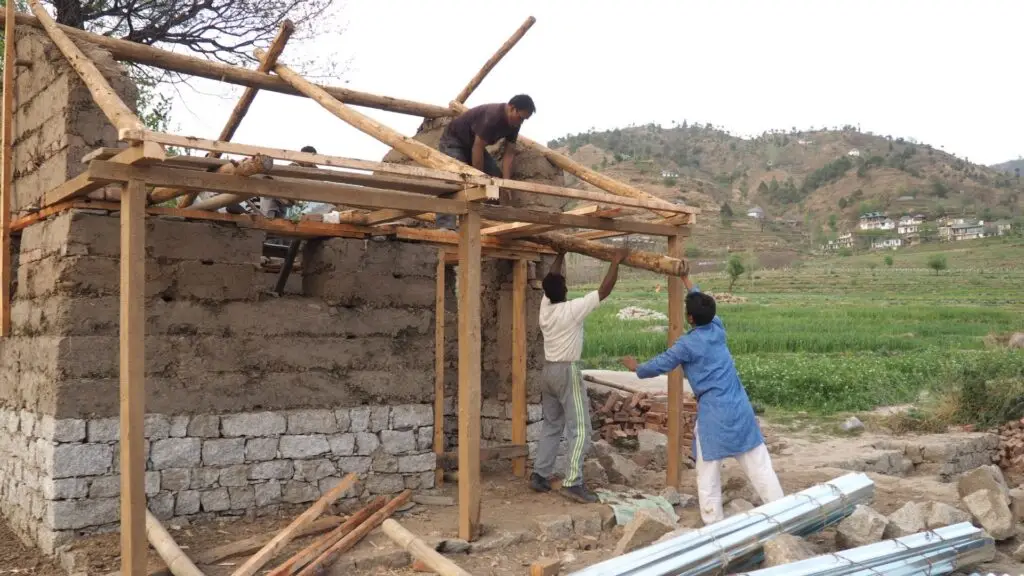
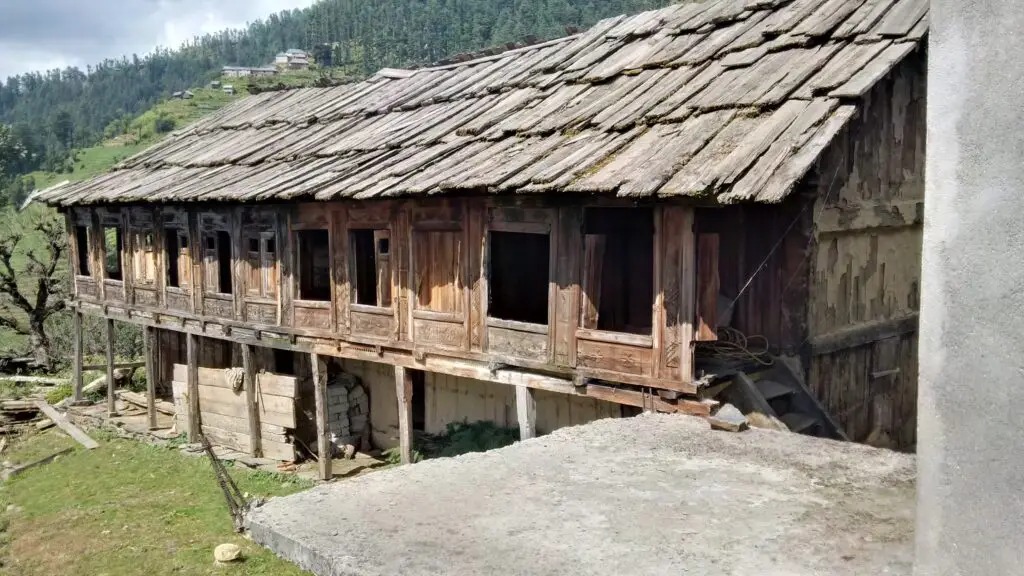
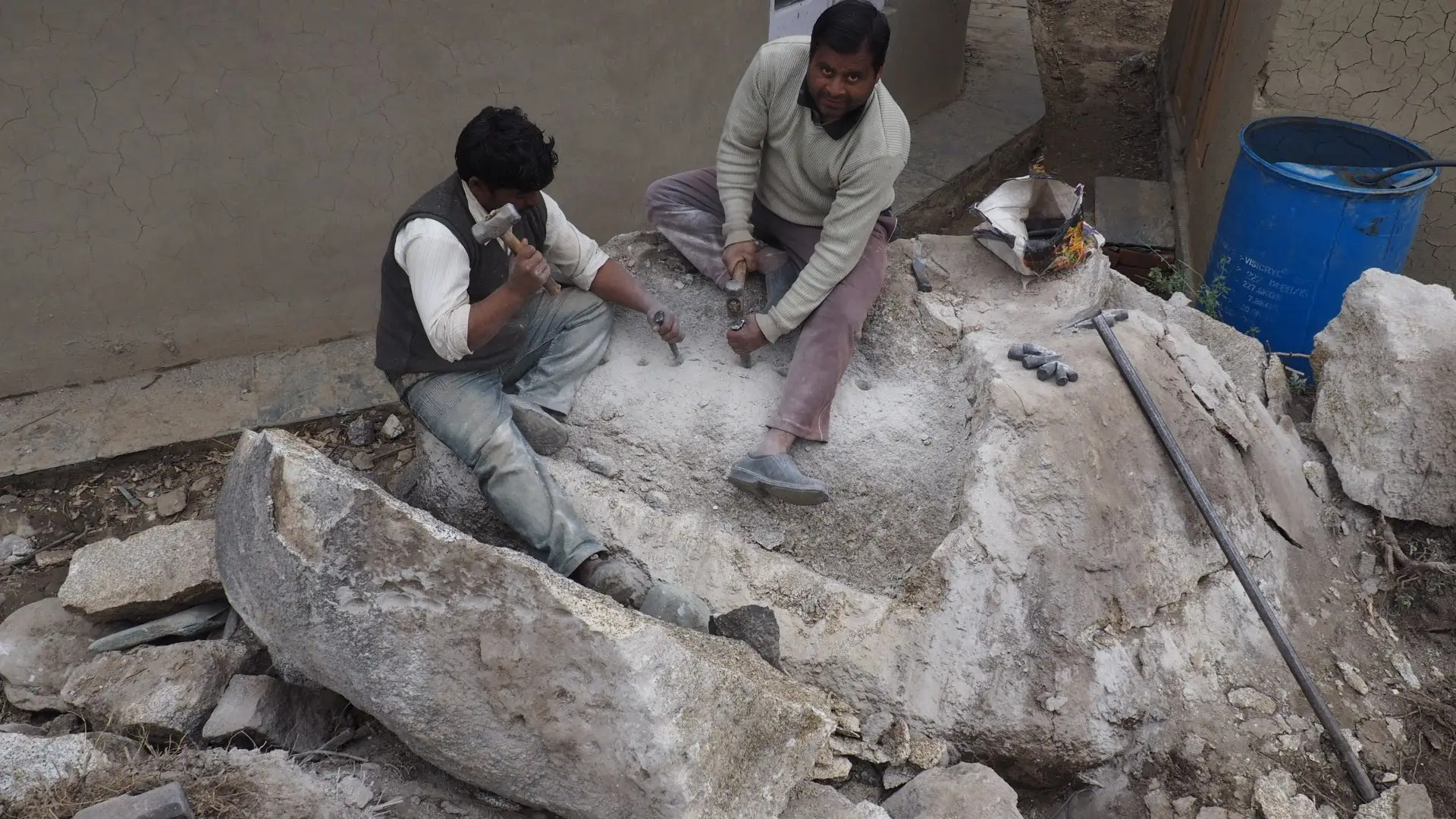
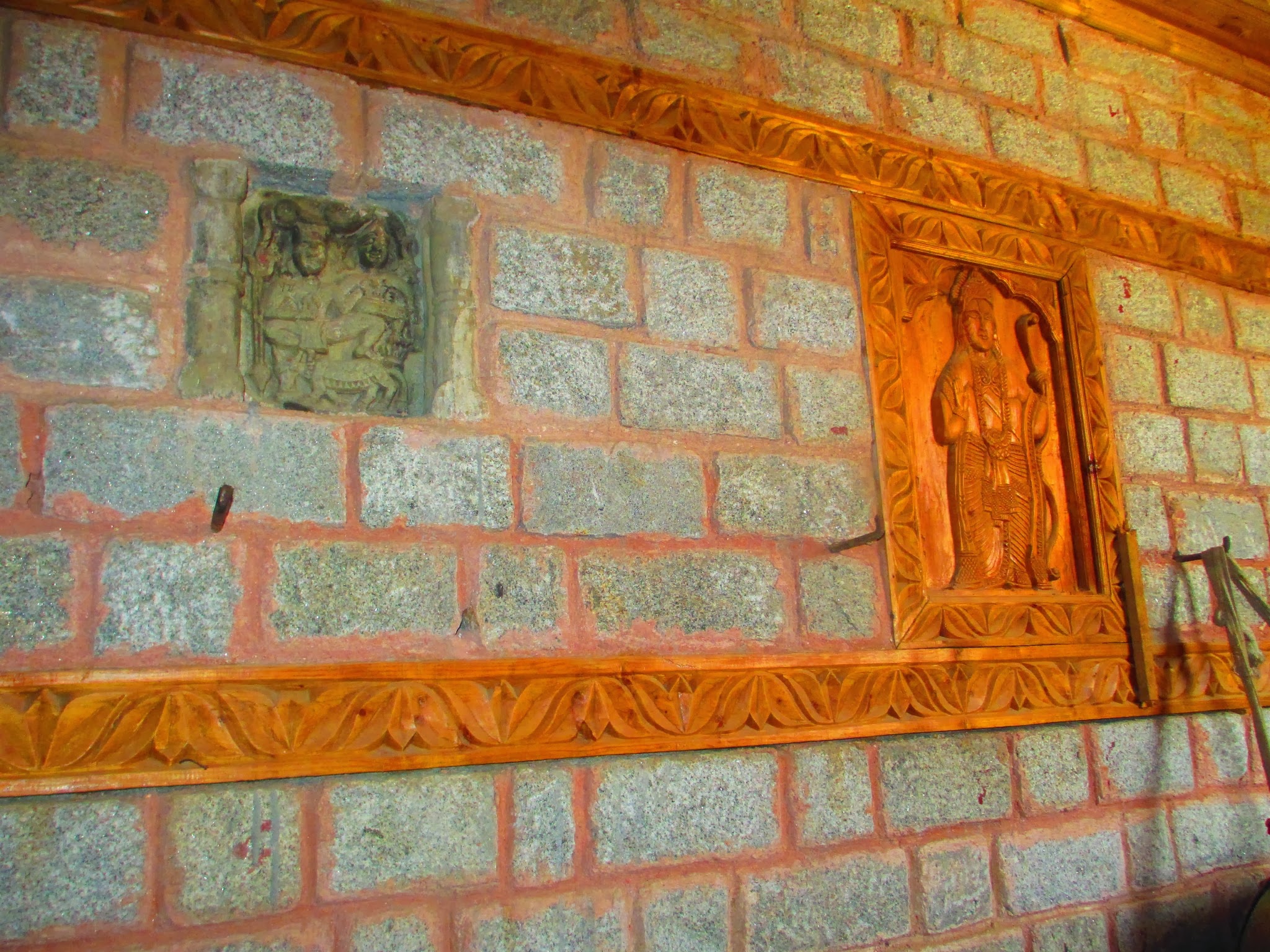
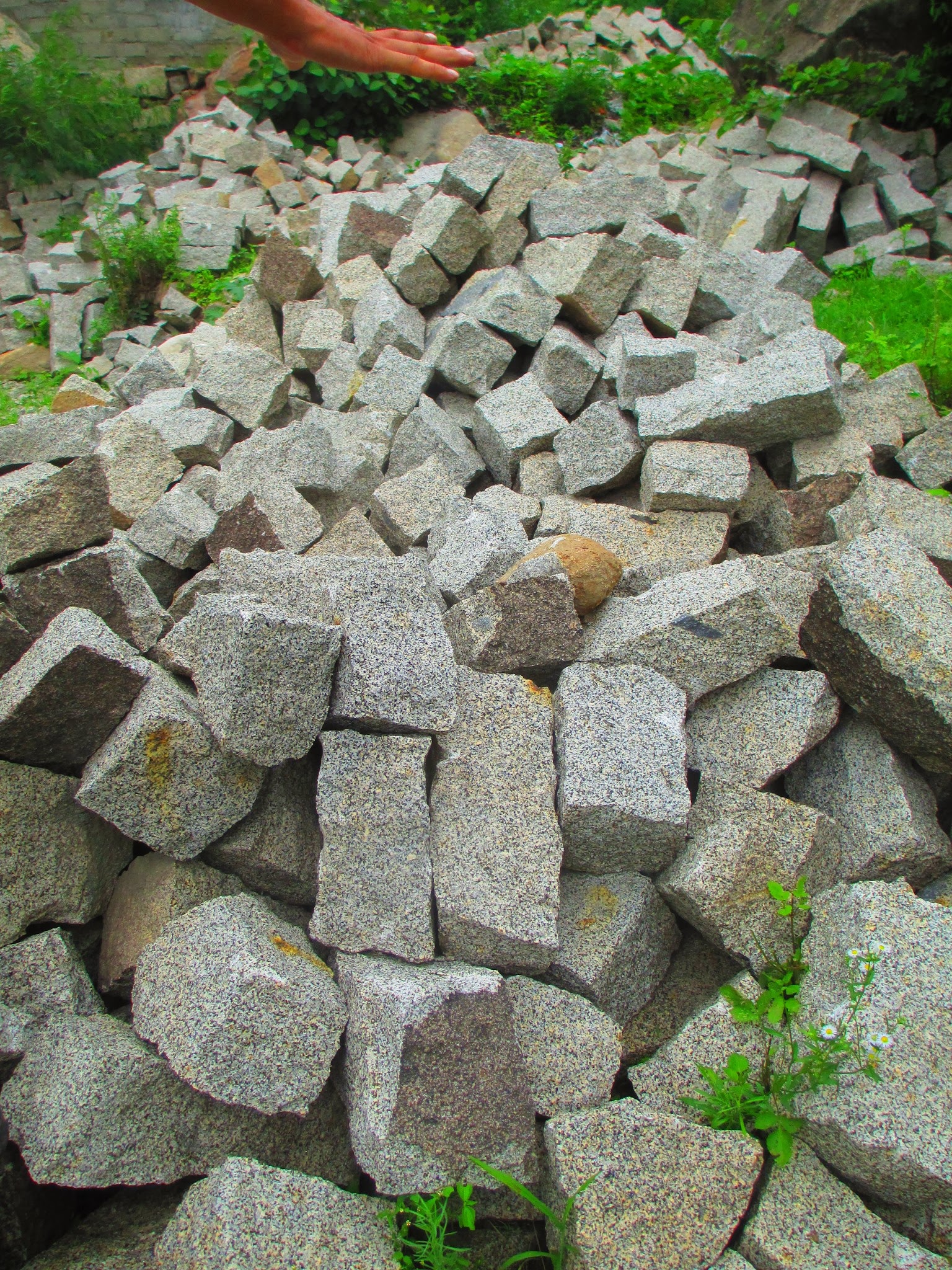
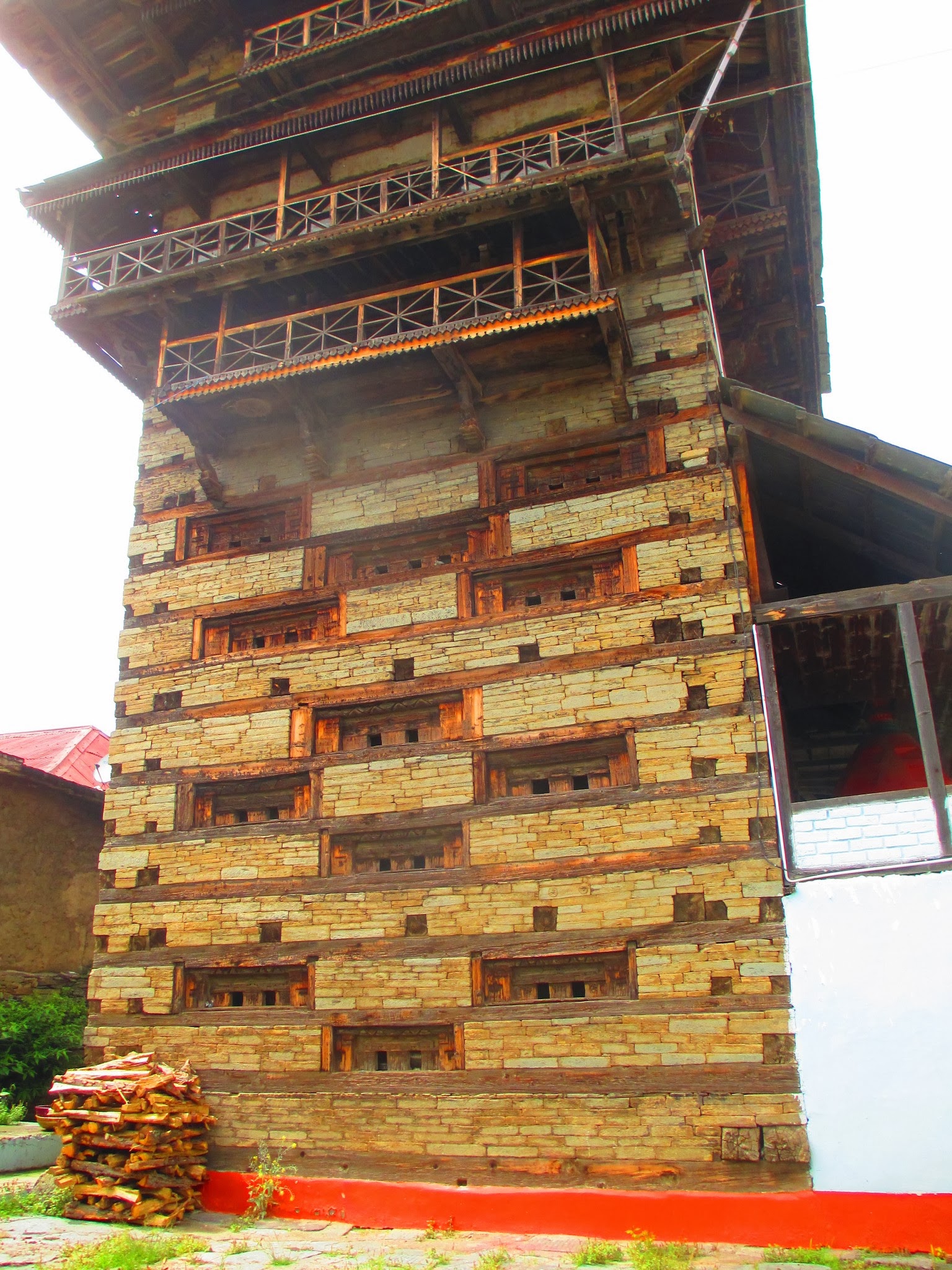
There comes a moment in the mountains when you stop being just a visitor. It may happen while sitting quietly on a stone wall in village Baag in Pangna valley, watching the evening light fall gently on old wooden houses, or in Pangna while listening to a local mason explain how a single stone can determine the strength of an entire wall. In that moment, something shifts you begin to understand that this is not just architecture, but a way of life. Himalayan villages are shaped slowly, with patience and deep respect for nature. Homes, temples, and pathways exist as part of a balanced system where people and the environment live in harmony. Even traditional temple architecture in the Western Himalayas reflects this simplicity, remaining closely connected to local materials and village life rather than focusing on grandeur (Khosla, 2016).
Yet today, this knowledge stands at a turning point. Modern construction is gradually replacing traditional building practices, and skills once passed down through generations are slowly fading. With this loss, not only do we risk losing techniques, but also a deeper connection to culture, identity, and sustainable living. This is where śaila–shāstra becomes more than just a program it becomes an experience, a responsibility, and a chance to reconnect with knowledge that has stood the test of time.
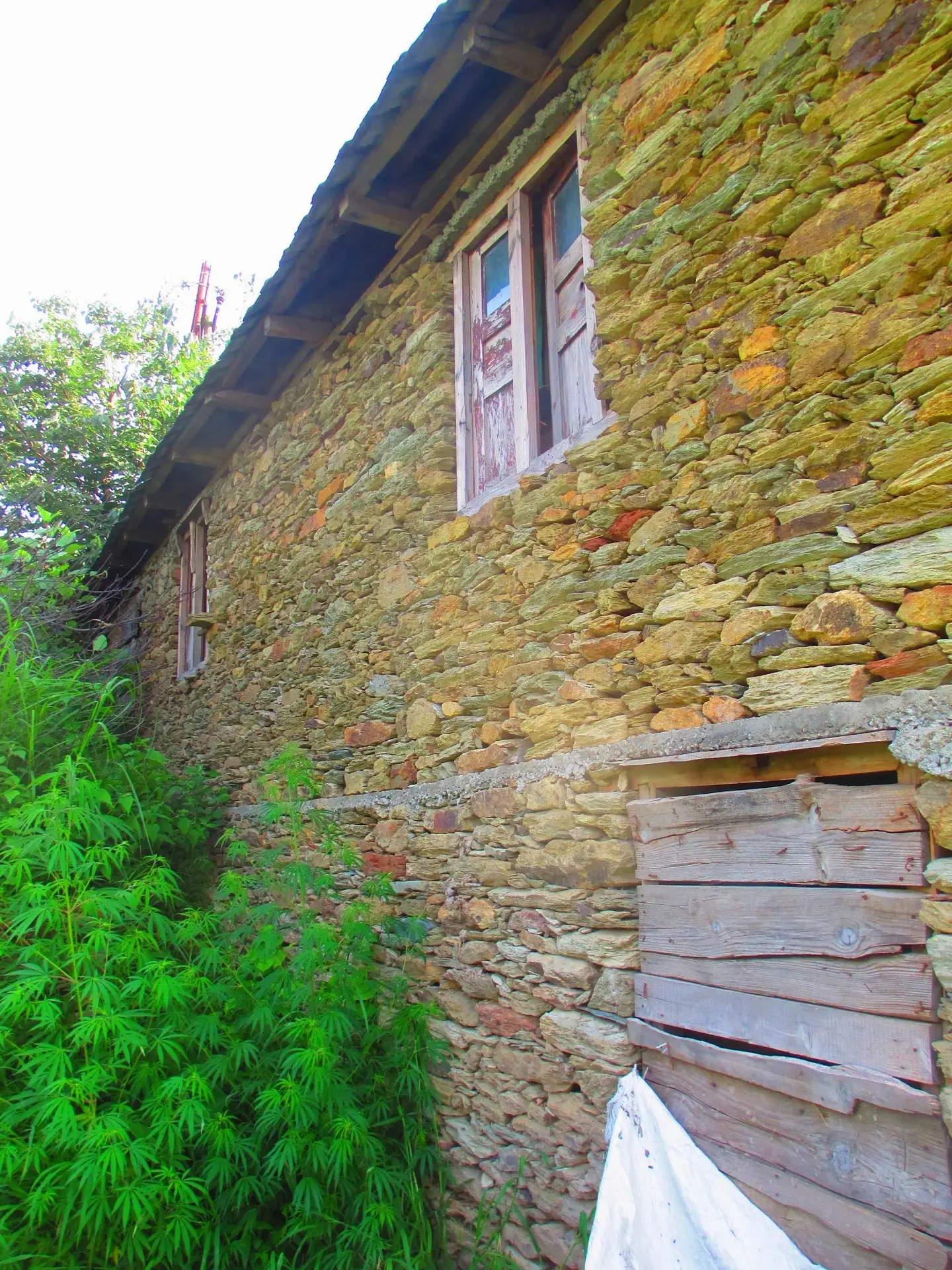
From 20 April to 5 May, the śaila–shāstra residential program invites you to step into this living heritage in villages like Baag in Pangna valley. Through guided walks, interactions with local craftsmen, and close observation of traditional stone architecture, participants move beyond simply seeing to truly understanding. You experience village life, engage in conversations around sustainability and heritage, and begin to see how traditional knowledge can inspire modern ways of living. For students, architects, researchers, and travelers, this is not just a program it is a journey into a deeper understanding of culture, community, and meaningful design. Because in the end, śaila–shāstra is not only about studying stone architecture, but about learning how to build thoughtfully, sustainably, and with a renewed connection to the world around us.
Come not just to see the mountains, but to learn from them — join śaila–shāstra this April.
Khosla, R. (2016). Temple architecture in the Western Himalayas and Nako: Research and conservation in the Western Himalayas.
Click here to know more about the program