शास्त्रं कर्म च प्रज्ञा च शीलम् च इति चतुष्टयम् ।
तदेतत् स्थपतेः अङ्गम् चतुर्धैवापरं विदुः ॥
Śāstraṃ karma ca prajñā ca śīlam ca iti catuṣṭayam | Tadetat sthapateḥ aṅgam caturdhaivāparaṃ viduḥ ||
“Knowledge of the Treatises (Śāstra), Practical Experience (Karma), Intuitive Insight (Prajñā), and Righteous Character (Śīla)—these are the four limbs of the Sthapati. Those who know call these his defining qualities.”
— Samarāṅgaṇa Sūtradhāra (Chapter 44)
In the sacred silence of the Himalayan landscape, stone is not merely a raw material; it is the “bone of the earth” (Pṛthvī-asthi), a silent witness to the cosmic order known as Vāstu.
According to the Samarāṅgaṇa Sūtradhāra, the true marvel of architecture is birthed only when Śāstra (the treatise or canon) meets Karma (the skilled hand) and is guided by Prajñā—the artisan’s deep, intuitive wisdom. In the high valleys of Himachal, this ancient lineage of the Takṣaka (stone mason) is preserved in the hands of the specialized community who were once called the Thavi, whose craft transforms inert rock into living structures that breathe in harmony with the mountain’s spirit.
It is to rediscover the skill of the dwindling community that Gram Disha Trust proposes to co-create a Shaastra of these artforms with an Internship in 2026.

The Shail Shaastra Internship (Application Form Below and here) is a rare invitation to step beyond modern construction and immerse oneself in this “science of the rock.” It is a call to those who seek to bridge the gap between theory and touch, documenting a vanishing heritage where the precision of the chisel becomes an act of devotion. Join us in the Pangna Valley to decode the language of the mountains and ensure that the wisdom of the Himalayan masons continues to shape the dwellings of the future.
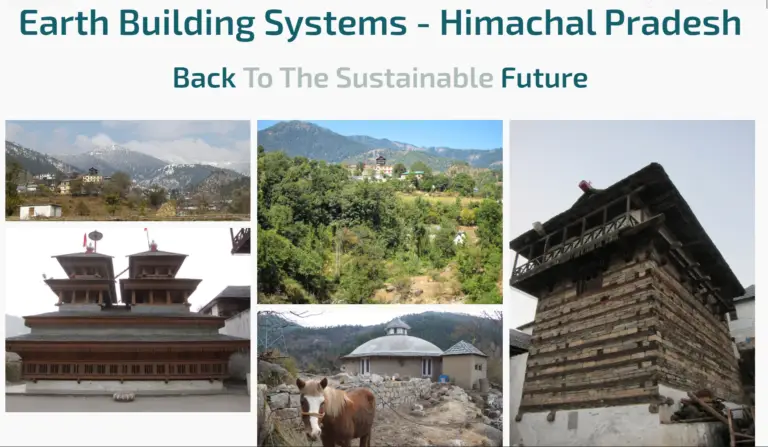
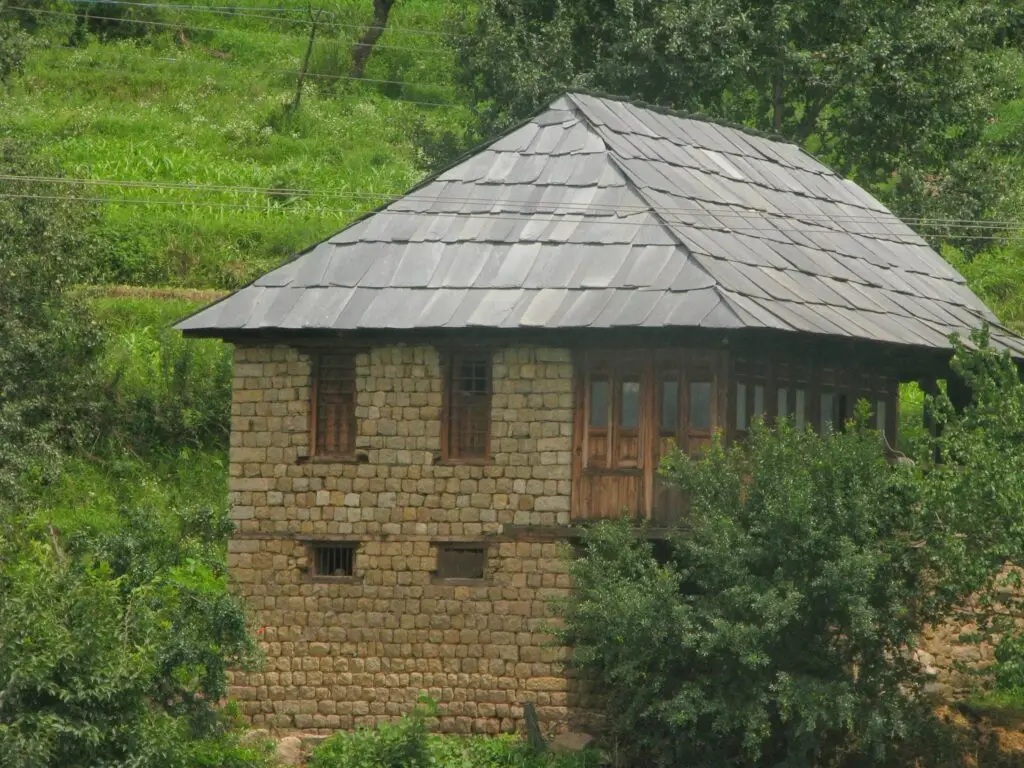
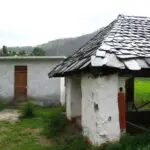
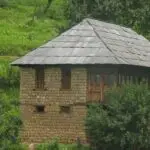
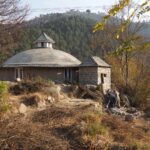
When you walk through a Himalayan village, you begin to notice something unique. The houses, temples, and narrow paths seem to grow naturally from the mountains. Built with stone, wood, and mud, these structures reflect a deep understanding of the local environment.Traditional homes in the region use thick stone walls that keep the interiors warm in winter and cool in summer. Wooden beams are often placed between layers of stone, making the buildings stronger and more flexible in earthquake-prone areas. These techniques show how local communities have carefully adapted their architecture to the climate and terrain over generations.Even many early temples in the Western Himalayas were designed in ways that resembled ordinary village houses from the outside. This simplicity reflects a tradition of architecture that focused more on harmony with the surroundings than on grand appearance (Khosla, 2016).
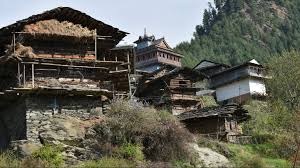
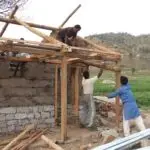
The knowledge behind these structures comes from skilled local masons who have learned the craft through experience passed down across generations. Watching them work with stone is like watching a living tradition continue.This is exactly what the śaila–shāstra residential program aims to explore and preserve.
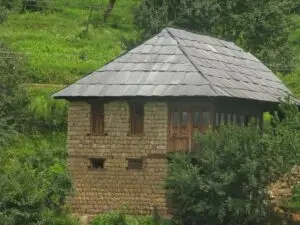
Taking place from 20 April to 5 May 2026, this immersive program invites participants to spend time in a Himalayan village and learn directly from the landscape and the people who live there. One of the places connected to this learning experience is Pangna village, a historic settlement known for its traditional architecture, old temples, and beautiful stone houses that reflect the cultural heritage of the region.
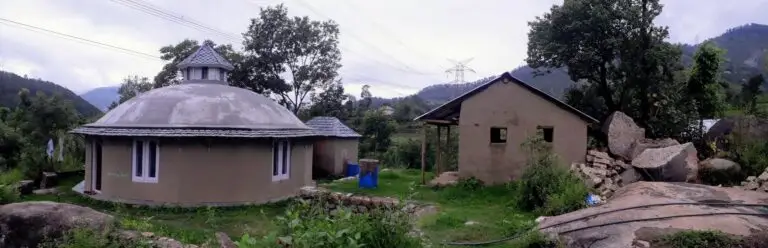
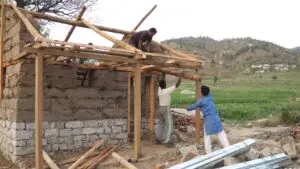
During the program, participants explore villages like Baag, Pangna through guided walks, where they observe how traditional homes are built using local stone, wood, and mud. They learn about the unique building styles of the Western Himalayas and understand how these structures have adapted to the mountain environment over centuries. Participants also interact with local craftsmen and stone masons, gaining insight into traditional construction techniques that are rarely seen in modern architecture today.
Beyond architecture, the program offers a deeper experience of village life. Participants spend time within the community, observe everyday practices, and discuss ideas of sustainability, heritage conservation, and responsible tourism. Through these experiences, they begin to see how traditional knowledge can inspire new ways of thinking about ecological living and culturally sensitive development.For students, researchers, architects, and curious travelers, śaila–shāstra offers a rare opportunity to learn from the living heritage of Himalayan villages while experiencing their culture, landscapes, and traditions firsthand
Click Image for More Details

APPLY HERE